


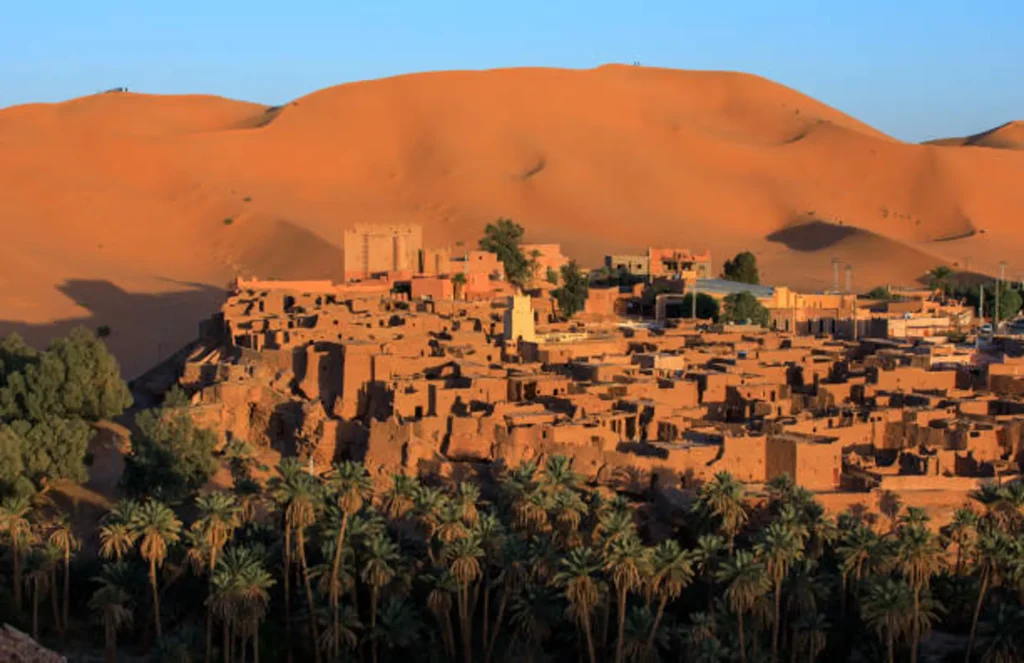
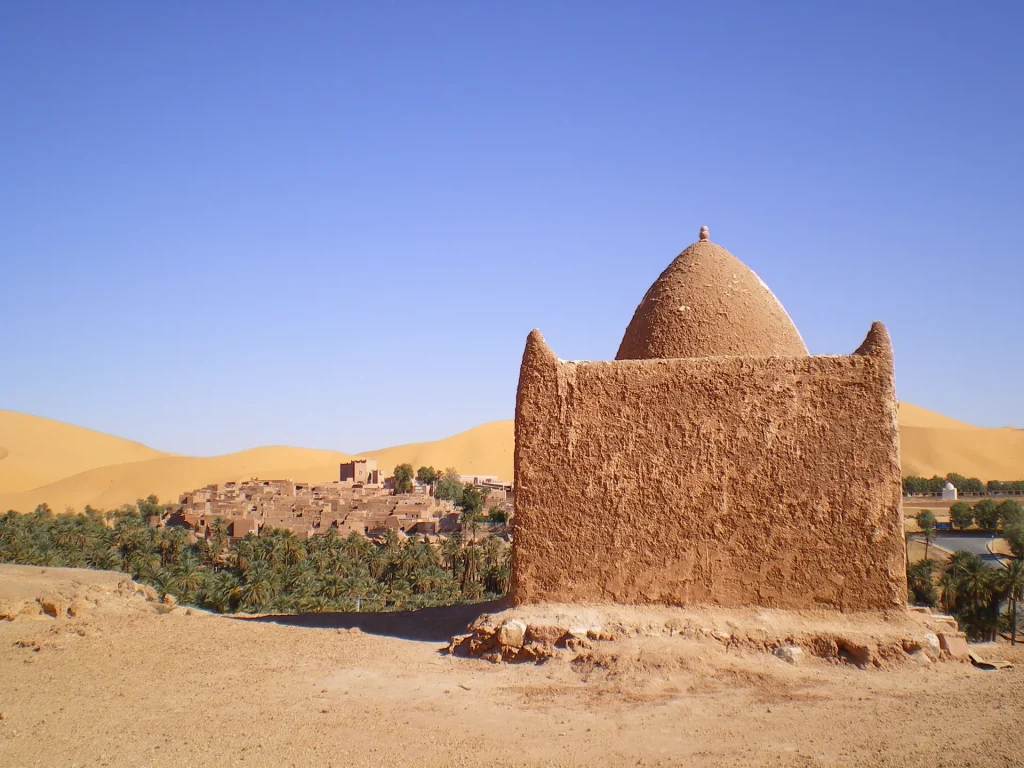
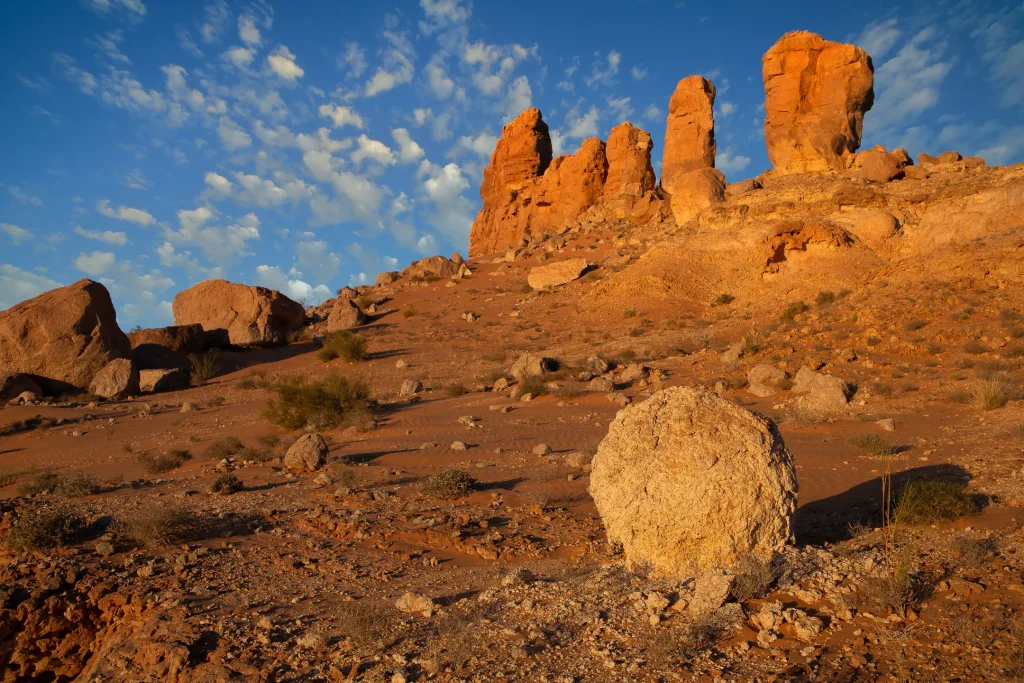
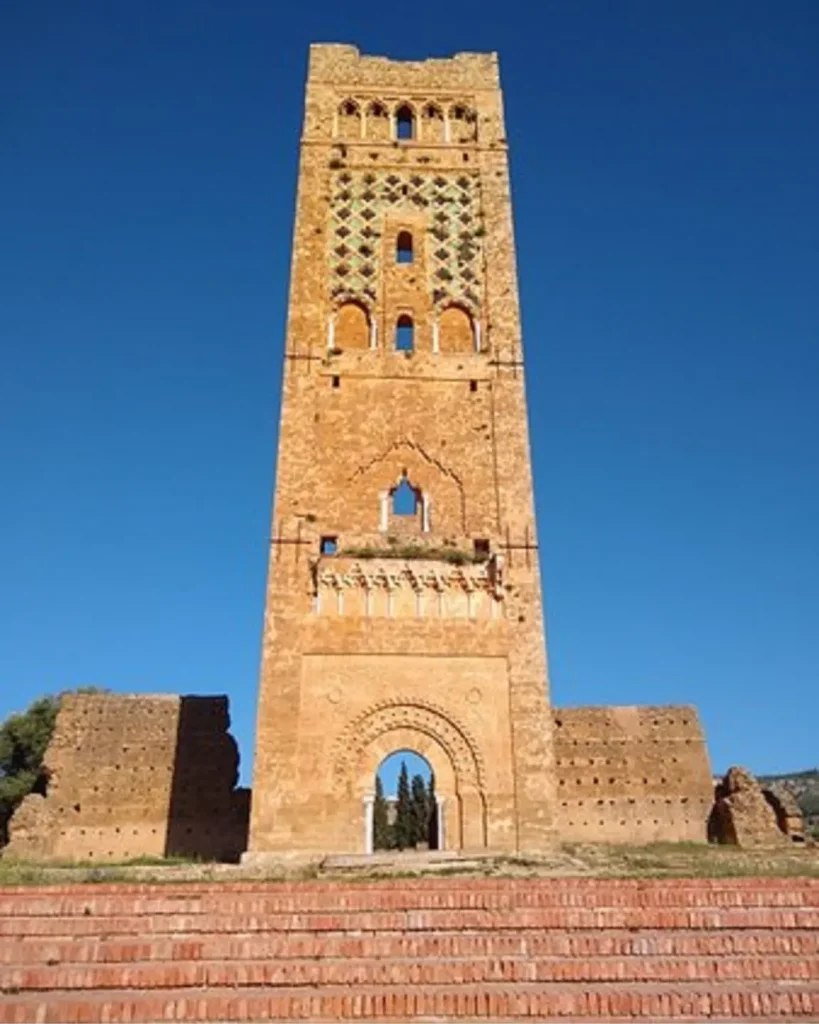
Each stop is a world of its own. From the UNESCO-listed architecture of the M’zab Valley in Ghardaïa, to the painted dunes of Timimoun, to the silence of the desert around El Goléa, and the maze-like ksour of Beni Abbès and Béchar. Then the journey rises into the green plateaus of Ain Sefra, dives into the spiritual and architectural richness of Tlemcen, and finally ends in Oran, a coastal city filled with music, energy, and Mediterranean charm.
This tour is perfect for travelers seeking to explore Algeria’s hidden heart, where heritage and nature stretch beyond what’s expected. From the calm of the Sahara to the life of the coast, you’ll experience contrasts that define this land: old and new, desert and sea, silence and song.
Whether you’re a photographer, explorer, or culture lover, the Western Algeria Tour invites you to see the country from a fresh and unforgettable angle.
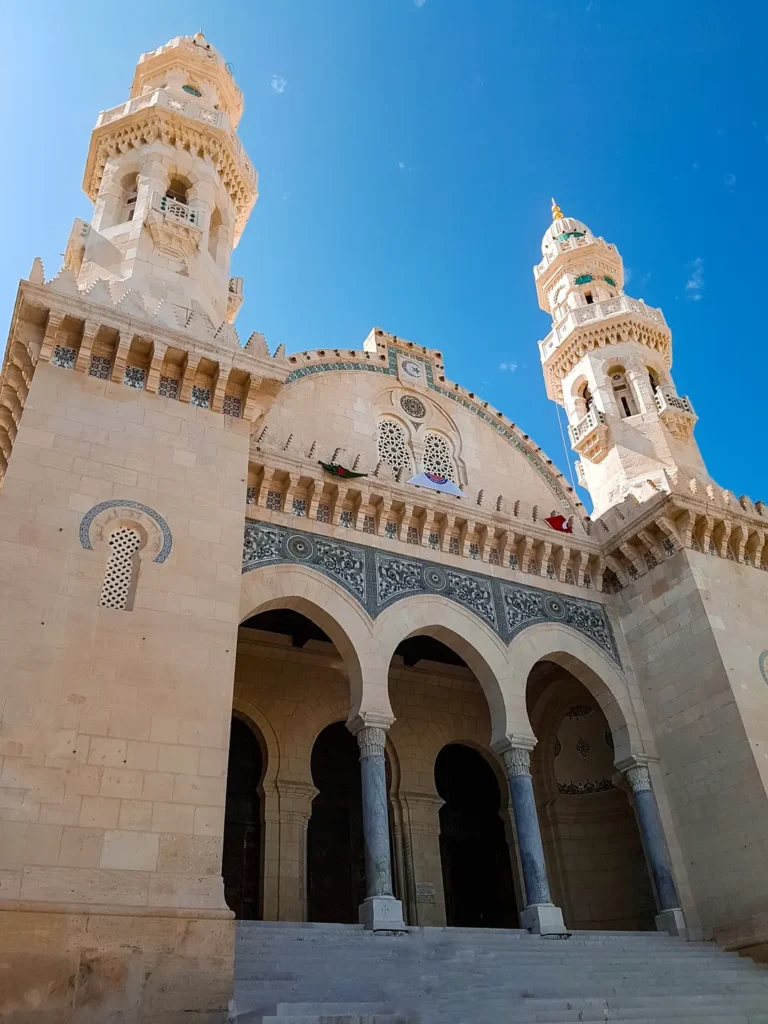
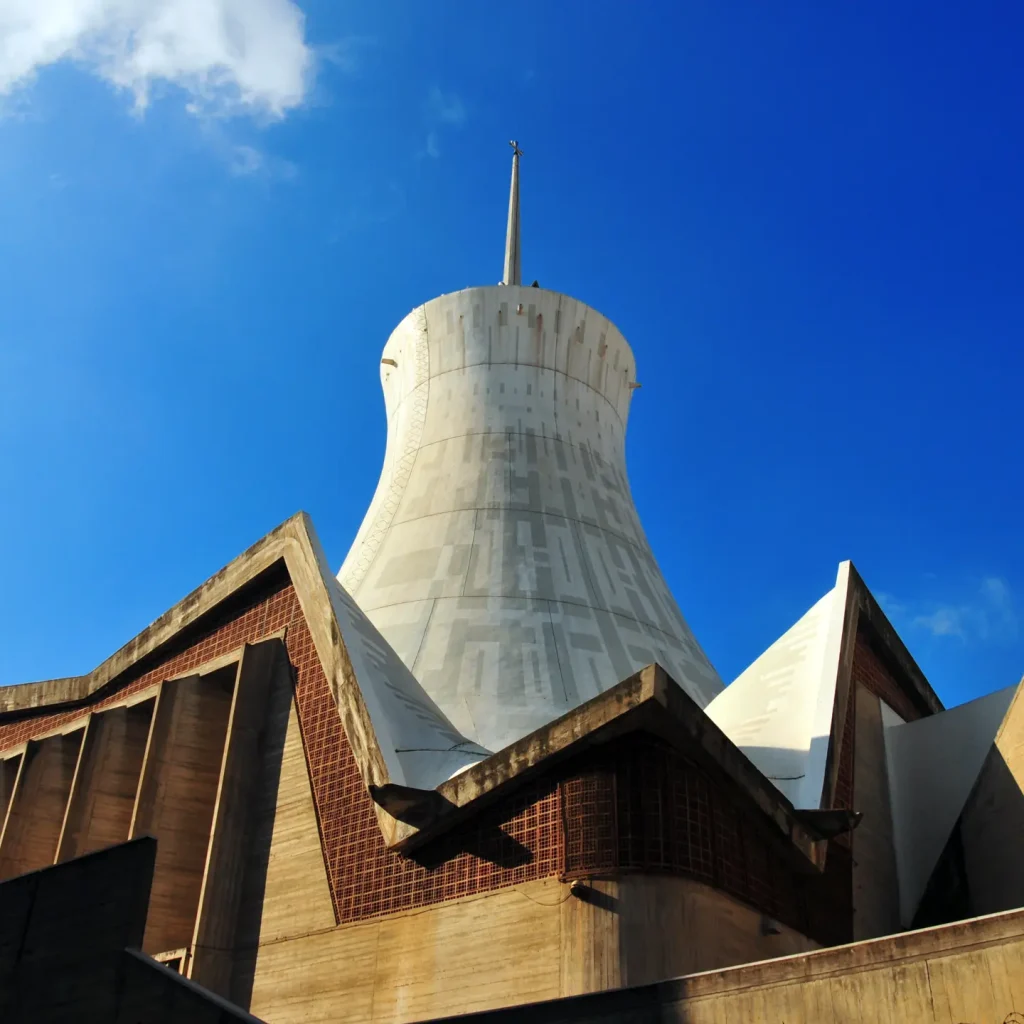
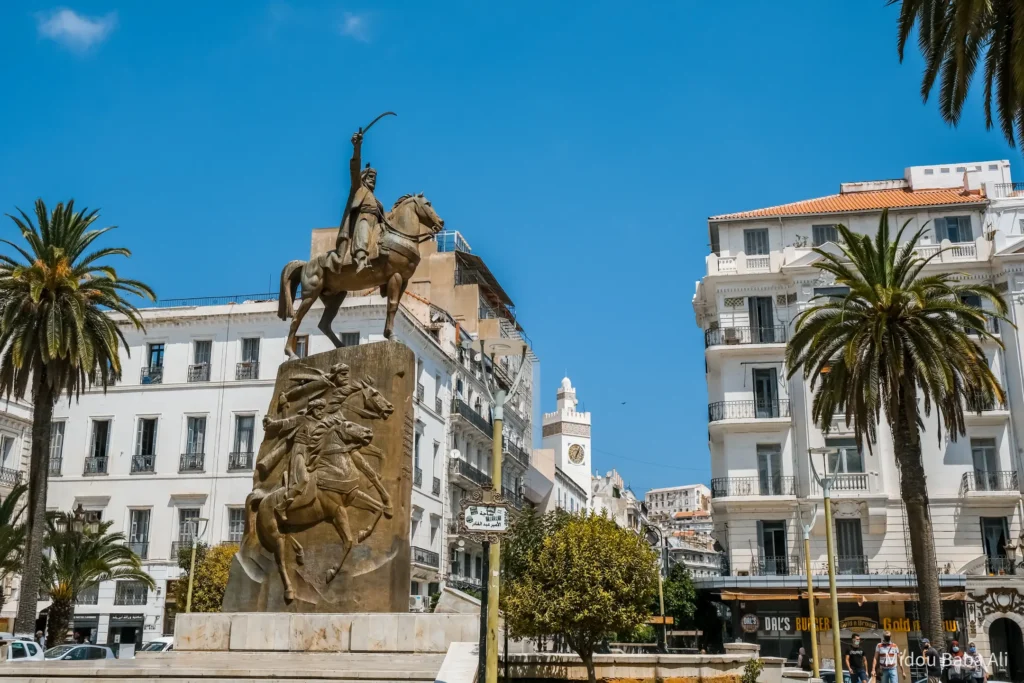
Algiers also boasts grand colonial architecture along the Didouche Mourad and Rue Larbi Ben M’hidi, reflecting the city’s layered history. You’ll see the striking Grande Poste, the Martyrs’ Memorial standing tall on the hills, and the Basilica of Notre-Dame d’Afrique, overlooking the sea, each telling a part of Algiers’ story.
But Algiers is not only about monuments, it’s a city full of atmosphere. From the lively cafes of Place Audin, to the fresh breeze along the Corniche, to the bustling markets of Belouizdad, the city pulses with energy, color, and contrast.
For many, Algiers is the heart of Algeria. And as the first stop on our Western Tour, it offers the perfect introduction: a taste of history, modern life, and the spirit of an entire country.
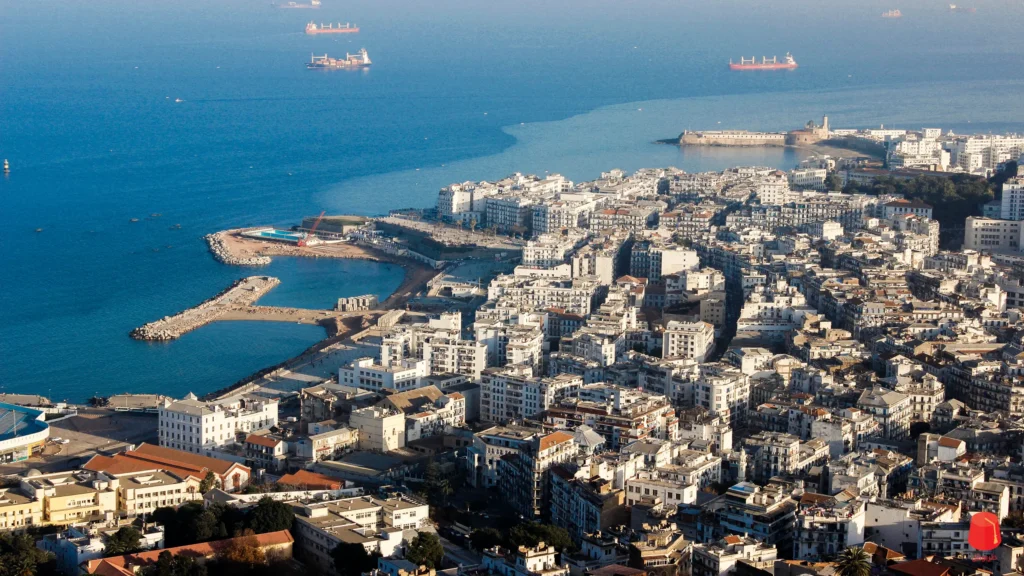
Algiers, Algeria’s capital and largest city, is where every journey begins, a perfect fusion of past and present, tradition and progress. Perched between the blue Mediterranean and rolling hills, Algiers is known as “El Bahdja”, the joyful city and it welcomes visitors with its distinct white facades, vibrant streets, and deep history.
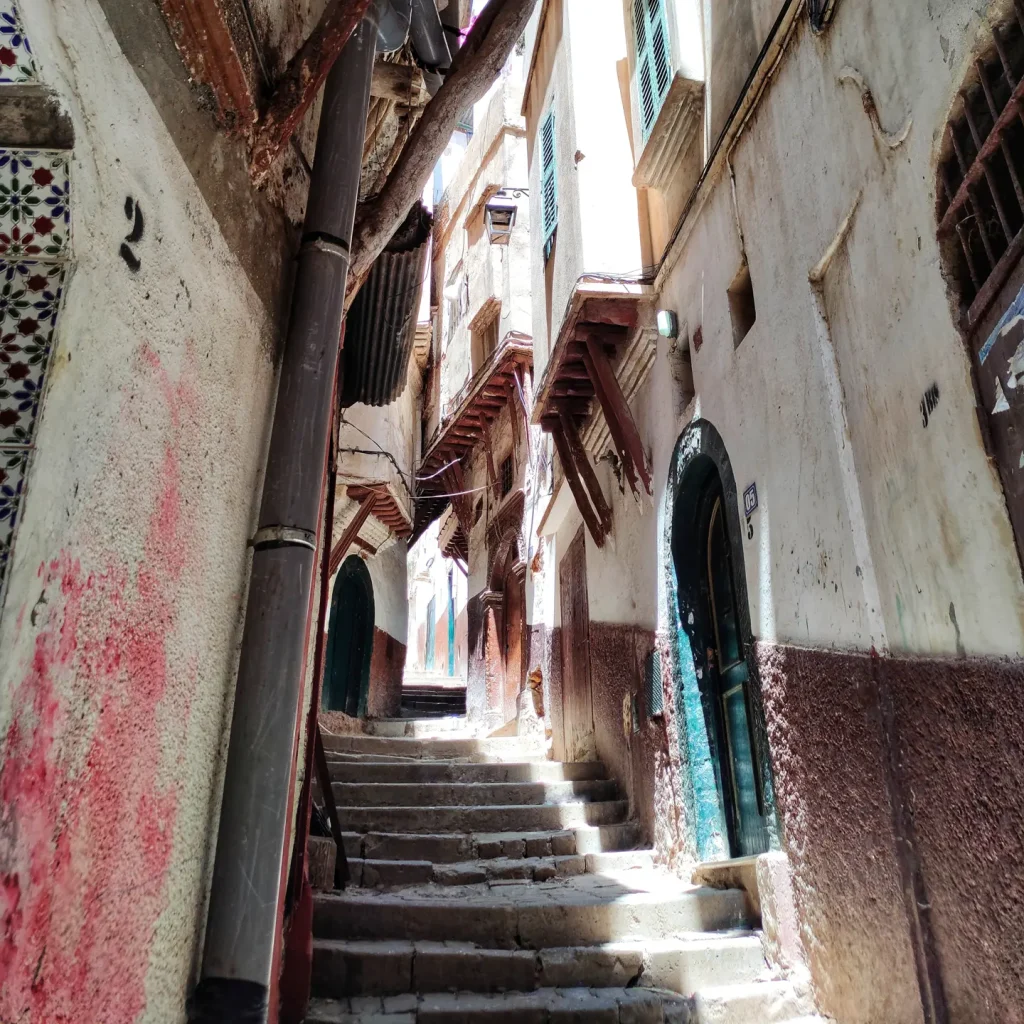
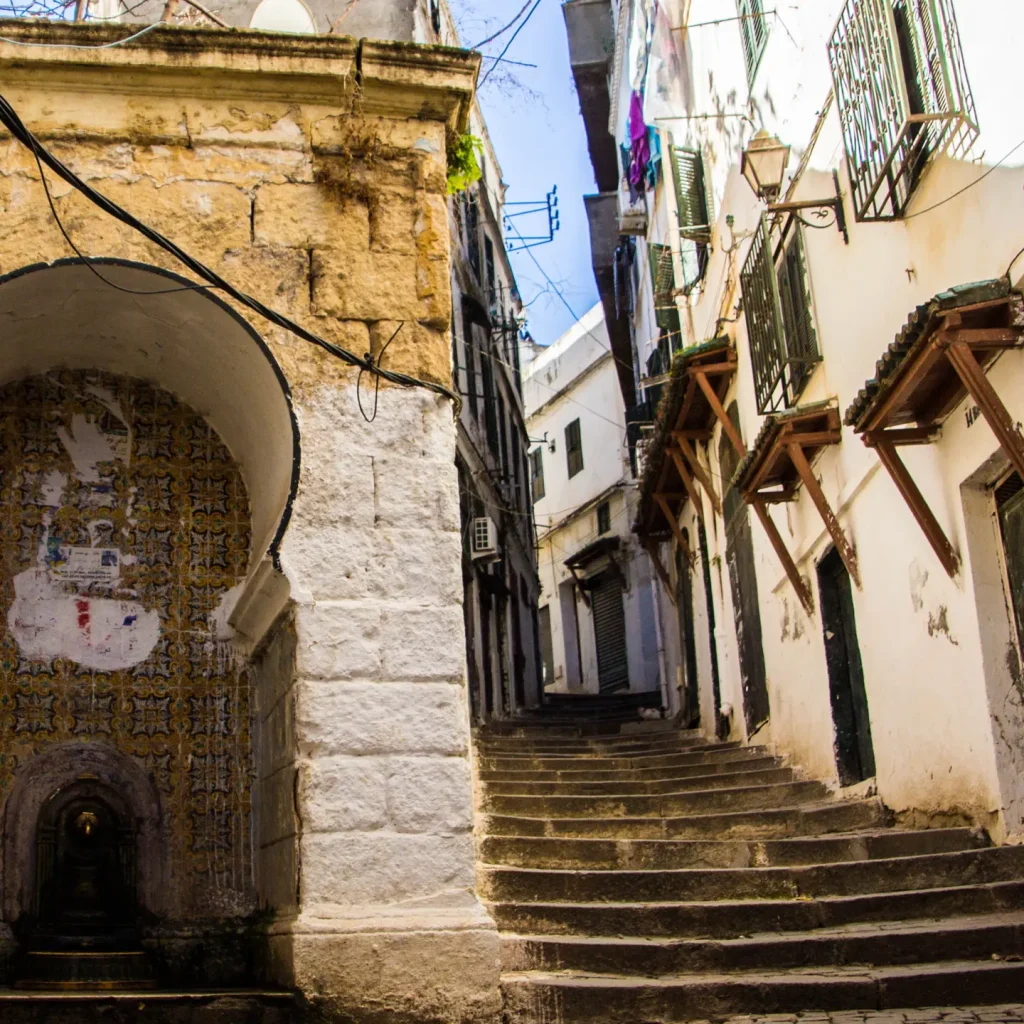
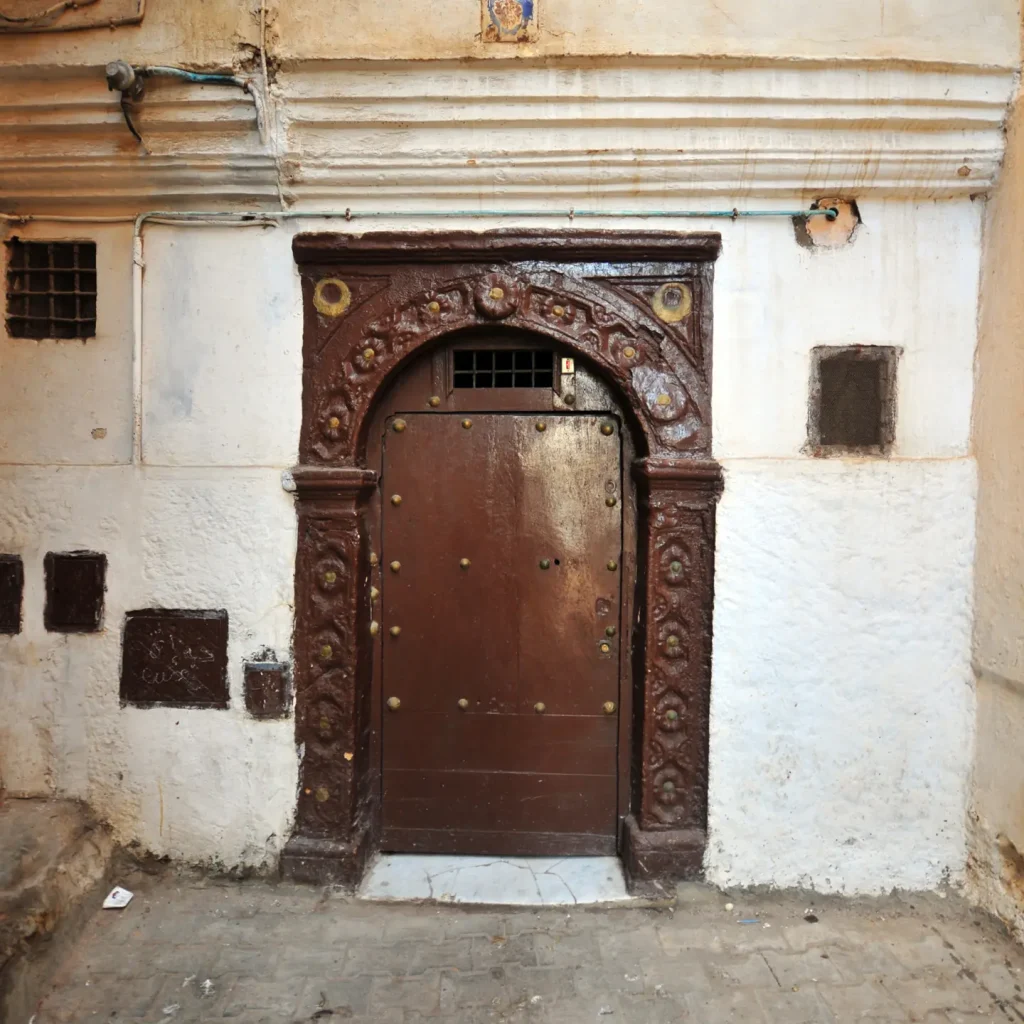
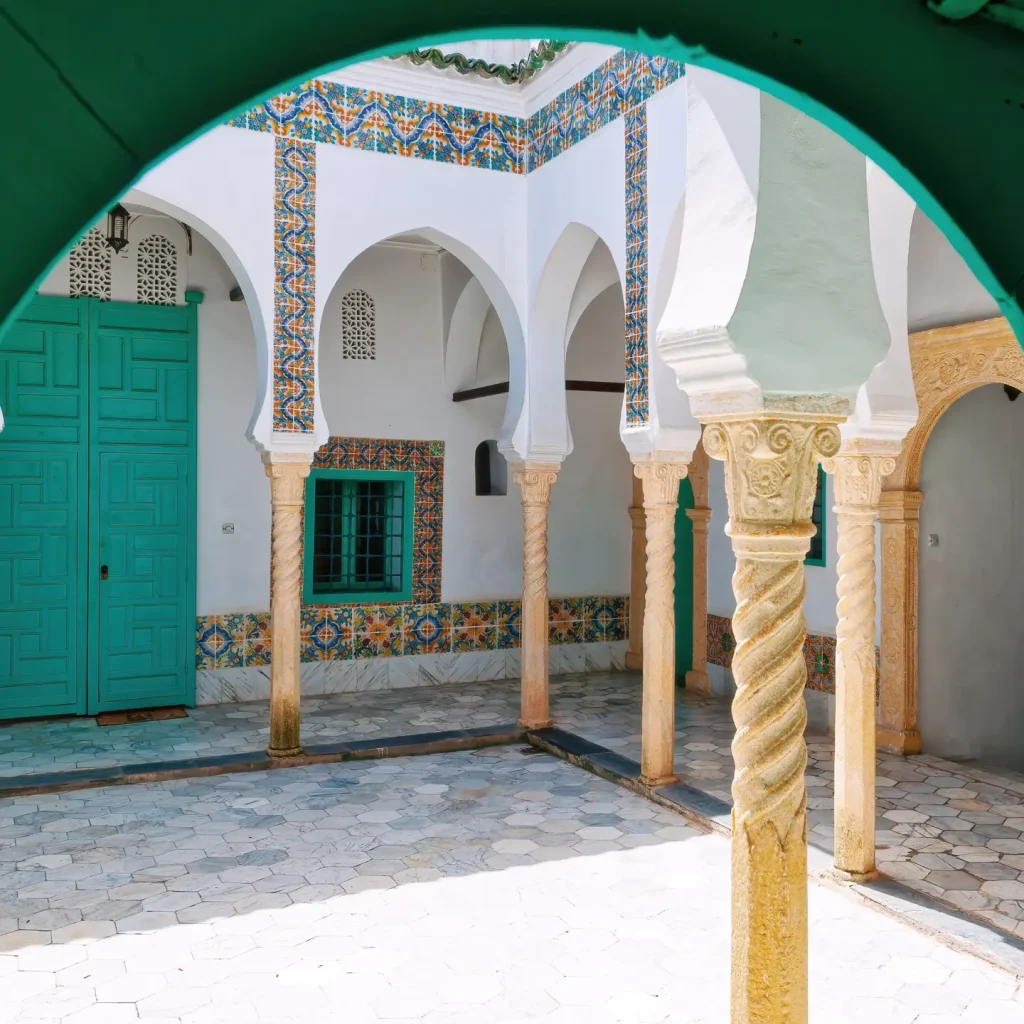
One of the city’s most iconic landmarks is the Kasbah of Algiers, a UNESCO World Heritage Site. This ancient medina, with its narrow alleyways, Ottoman palaces, and hidden courtyards, offers a glimpse into centuries of Algerian life. As you walk through its winding paths, you’re transported back in time.
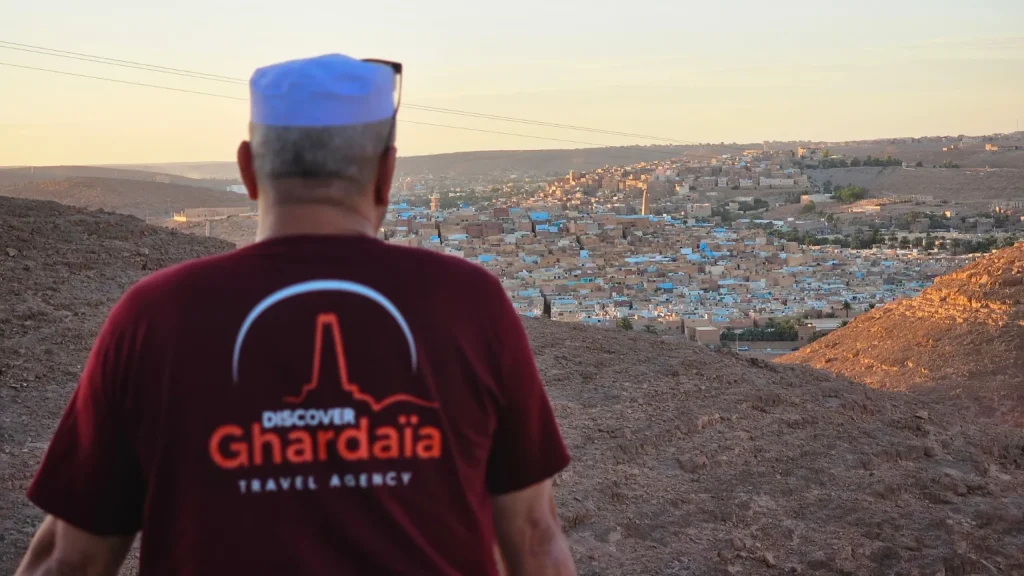
Deep in the heart of the Algerian Sahara lies the M’Zab Valley, a place where architecture, spirituality, and tradition have coexisted in perfect balance for nearly a thousand years. Recognized by UNESCO for its unique urban planning and cultural significance, this valley is home to a network of five fortified cities, known as the Pentapolis, founded by the Mozabite Ibadis in the 11th century.
Each city, Tagherdait, AT-isjen, At-mlichet, At-bonor, and Tajnint, was designed to be self-sufficient, defensive, and centered around a mosque and minaret that doubles as a watchtower. Built on rocky outcrops and surrounded by palm groves and stone walls, these towns reflect a deep respect for the desert environment, using natural materials and smart design to survive the harsh climate.
Ghardaïa, the main city, is a living example of this brilliance. Its cascading white houses, narrow streets, and marketplaces feel untouched by time. The Sidi Brahim Mosque, perched at the highest point, watches over the town and its people with grace and symbolism.
Beyond its architecture, the M’Zab Valley is a place of strong community values. Life here follows ancient traditions, and visitors often remark on the sense of peace and purpose that flows through its streets. The Mozabite people have preserved not only their buildings but also their culture, dress, and way of life, making this valley one of Algeria’s most culturally intact regions.
To visit the M’Zab Valley is to witness a rare achievement, a human settlement that has remained sustainable, spiritual, and functional for over a millennium.
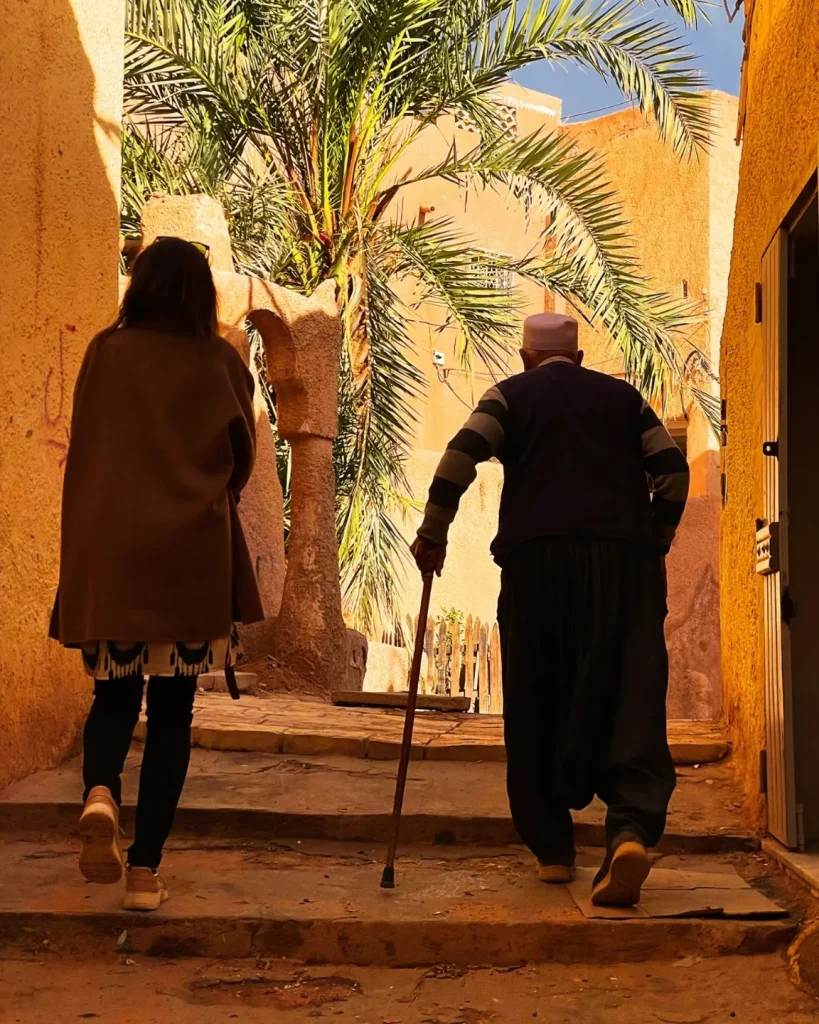

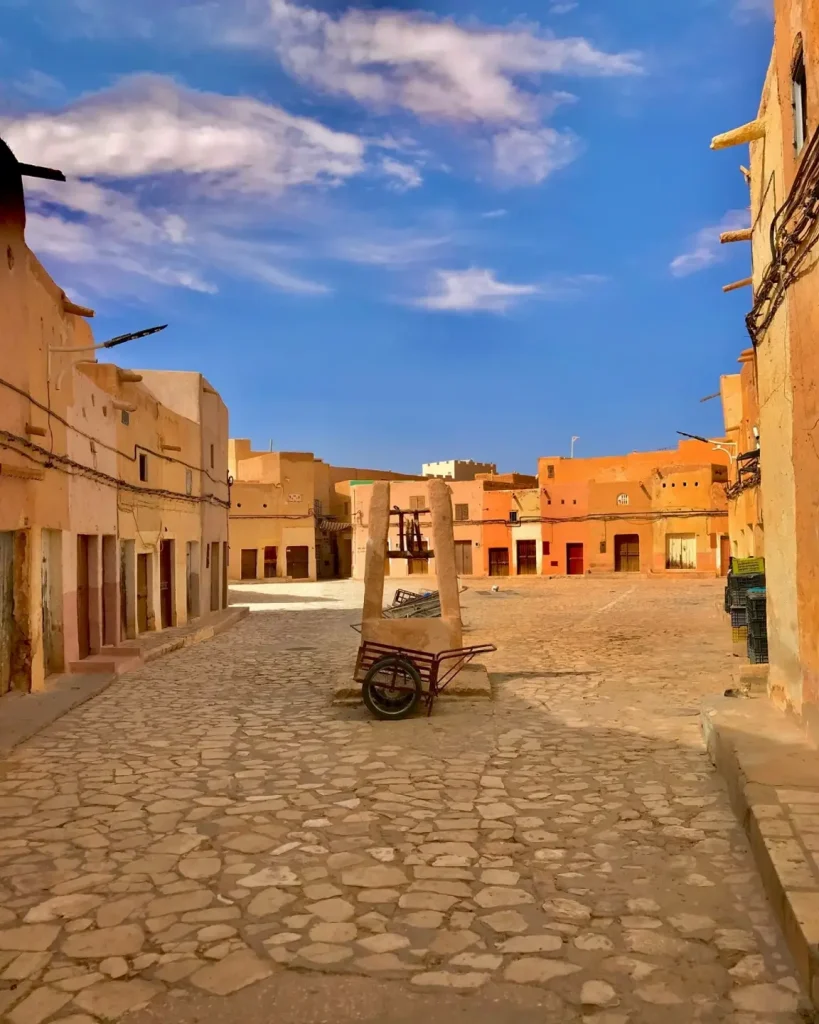
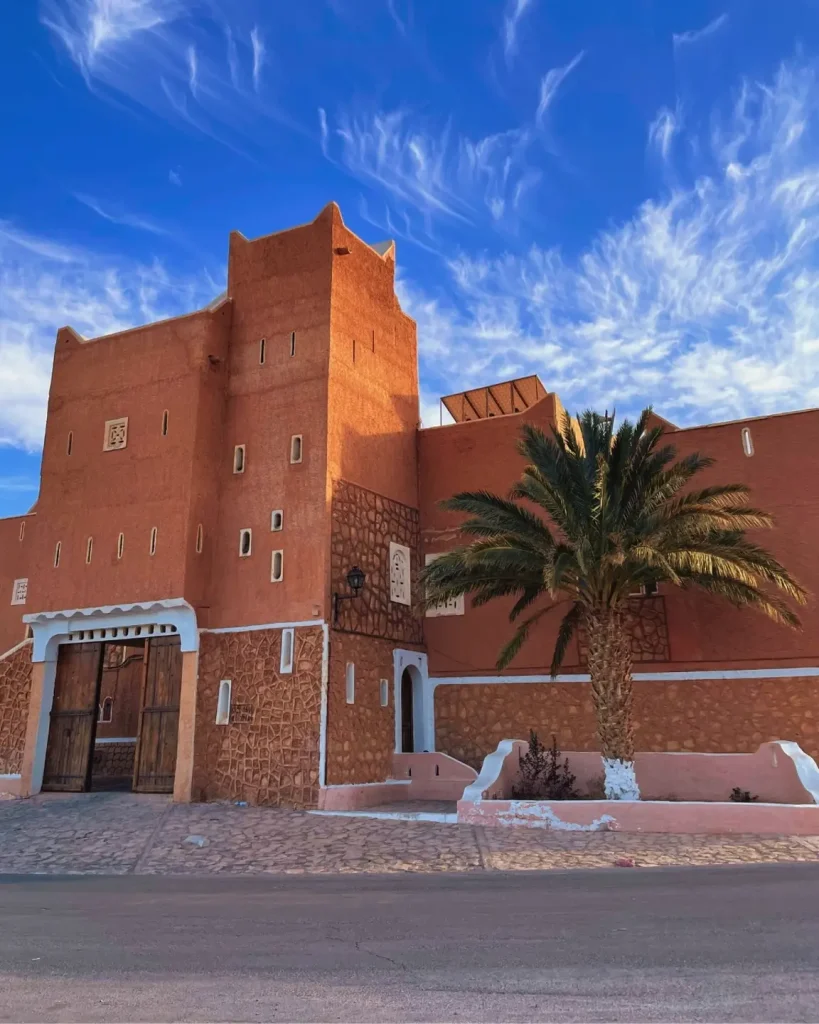
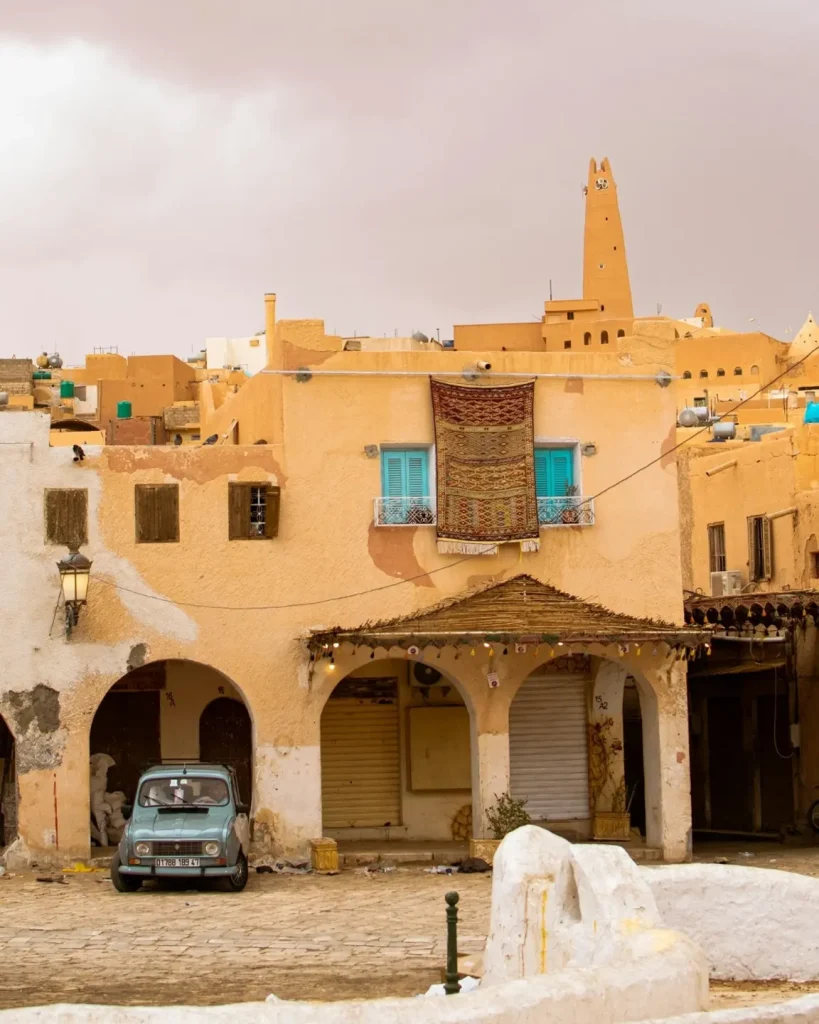

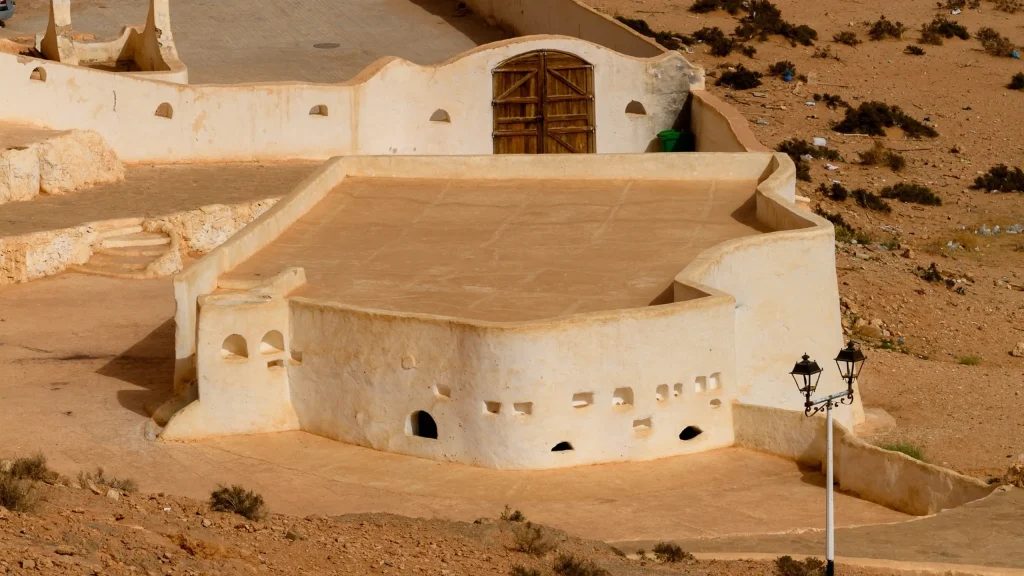

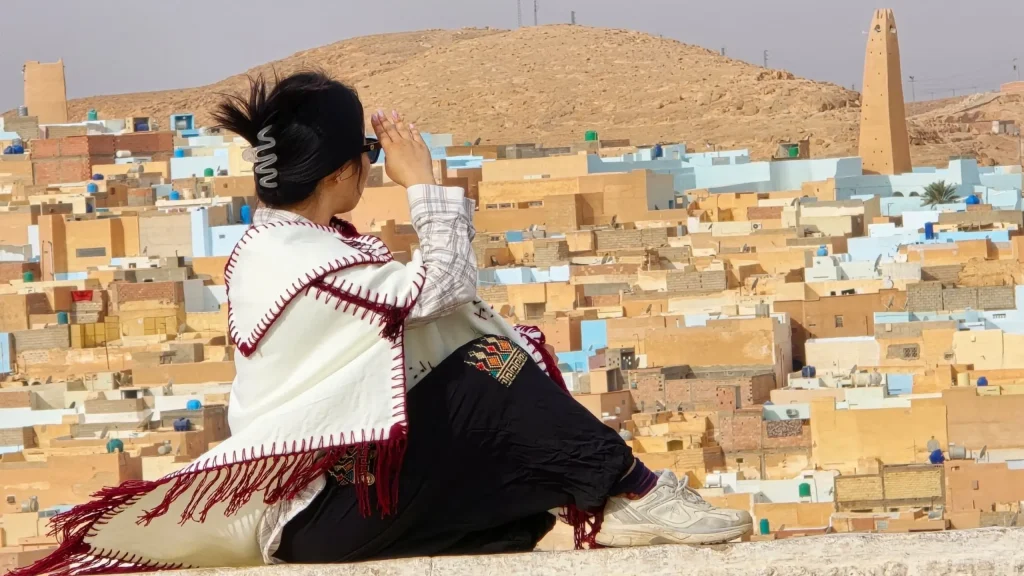
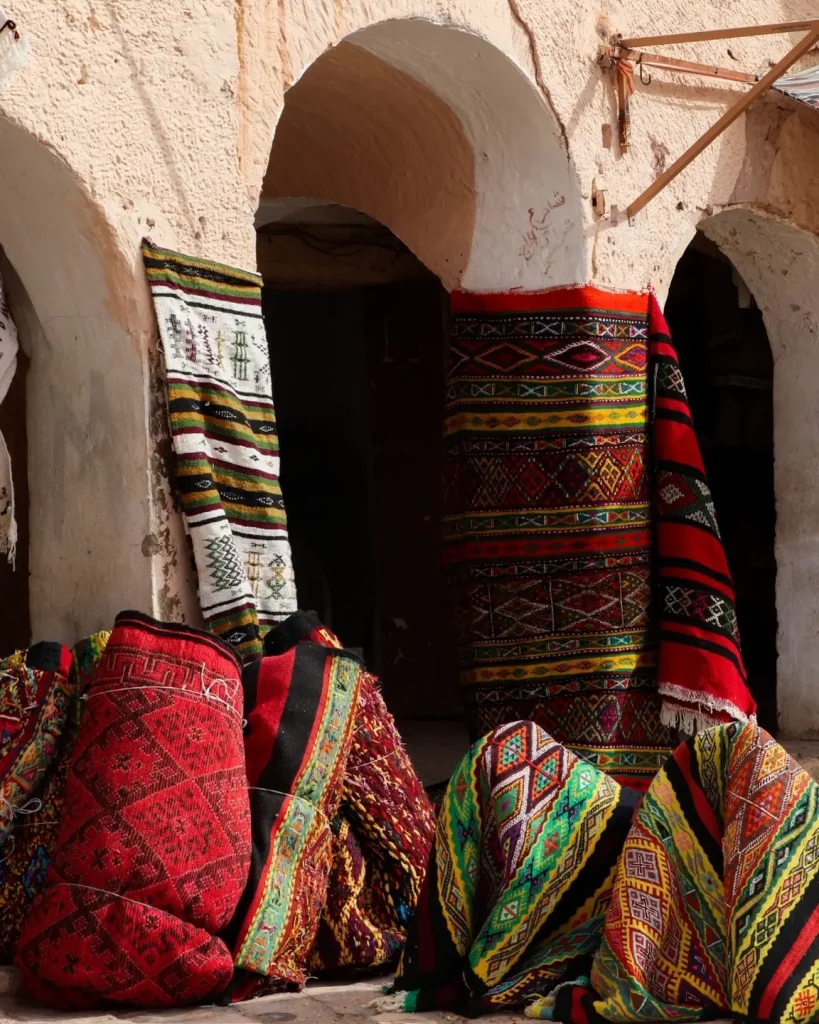


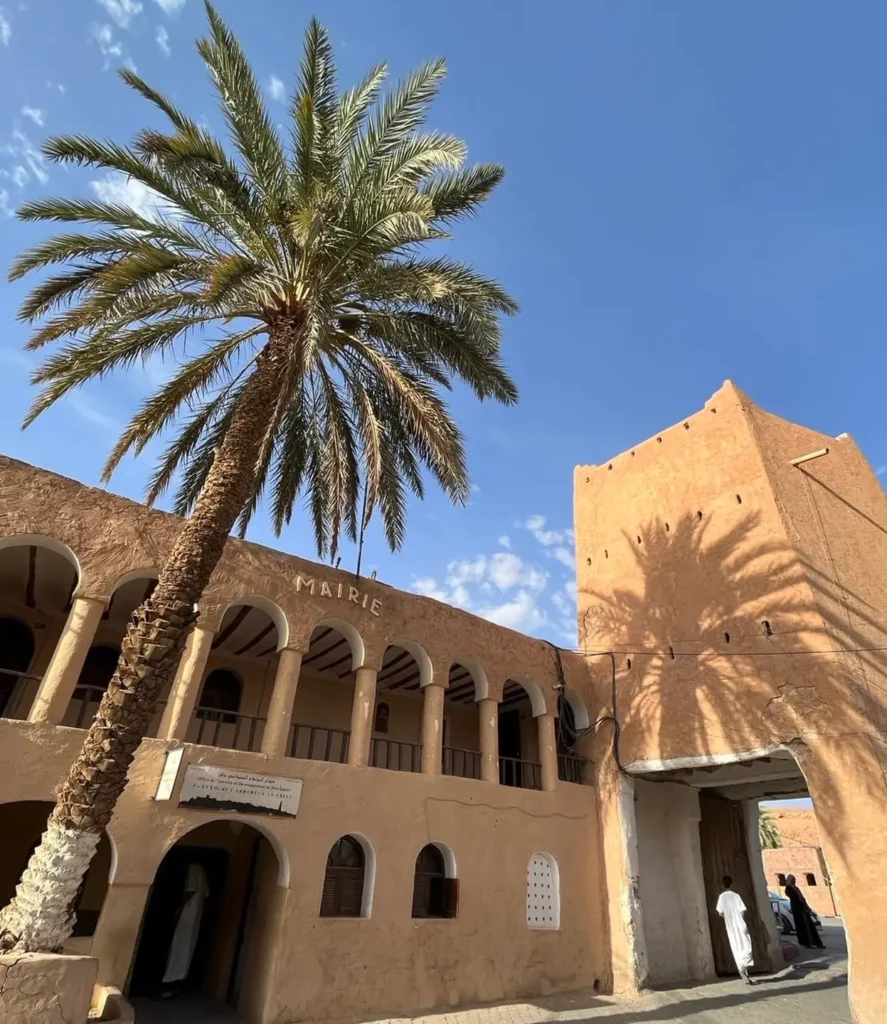
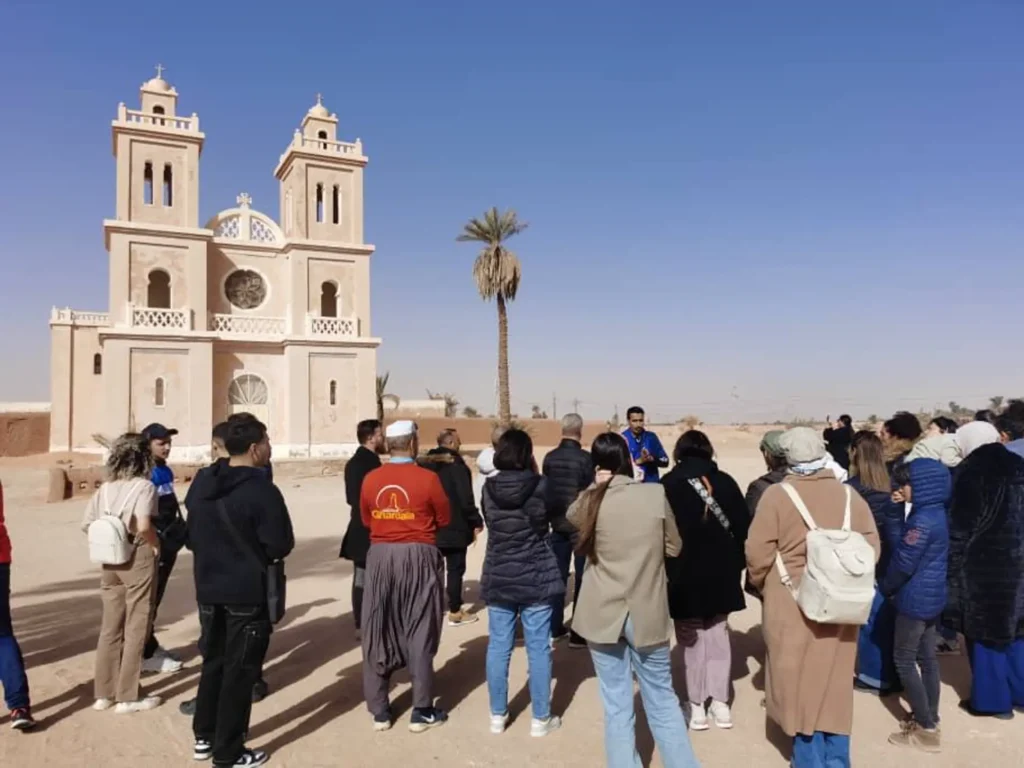
El Goléa, also known as El Meniaa, is a serene oasis town that lies on the edge of the Algerian Sahara, where the vast desert meets the fertile land. The name “El Meniaa” means “The Stronghold,” a fitting title for a place that has withstood the test of time, offering refuge and sustenance to travelers for centuries. As you approach El Goléa, you’re greeted by the sight of lush palm groves, their green fronds swaying gently in the desert breeze, creating a stark contrast against the golden sands. The town’s peaceful atmosphere and rich history make it a haven for those seeking solace and a deeper connection with the desert’s timeless beauty.
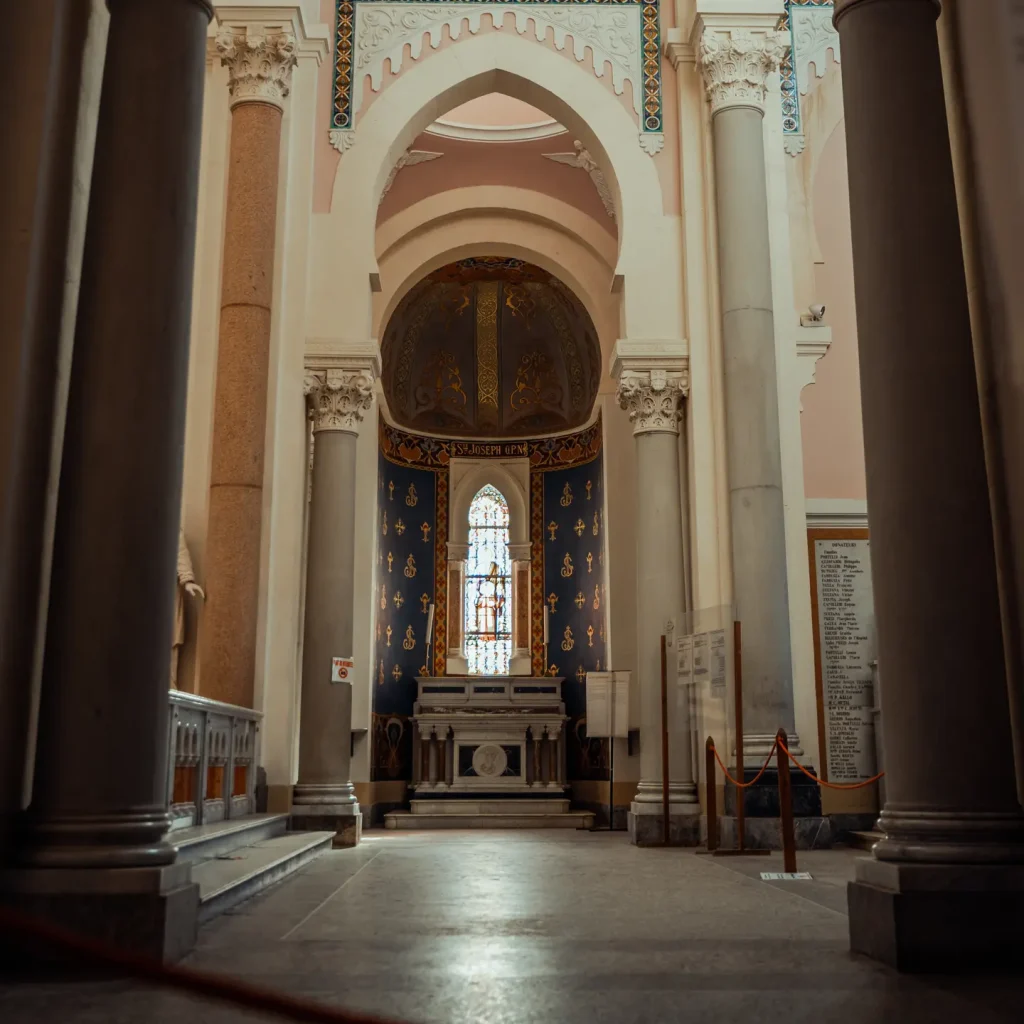
El Goléa is more than just an oasis; it’s a place where history, culture, and nature intertwine to create a unique and unforgettable experience. The ancient ksar, or fortress, stands as a testament to the town’s resilience and its strategic importance throughout history. The town’s historical sites, including the beautiful Church of St. Joseph, reflect a diverse cultural heritage that has been shaped by centuries of interaction between different civilizations. As you wander through the narrow streets, you’ll encounter warm-hearted locals who are eager to share the stories of their ancestors and the beauty of their land. El Goléa is a place where every moment is imbued with a sense of peace and reflection, a place where the soul can find rest amidst the vast expanse of the Sahara.
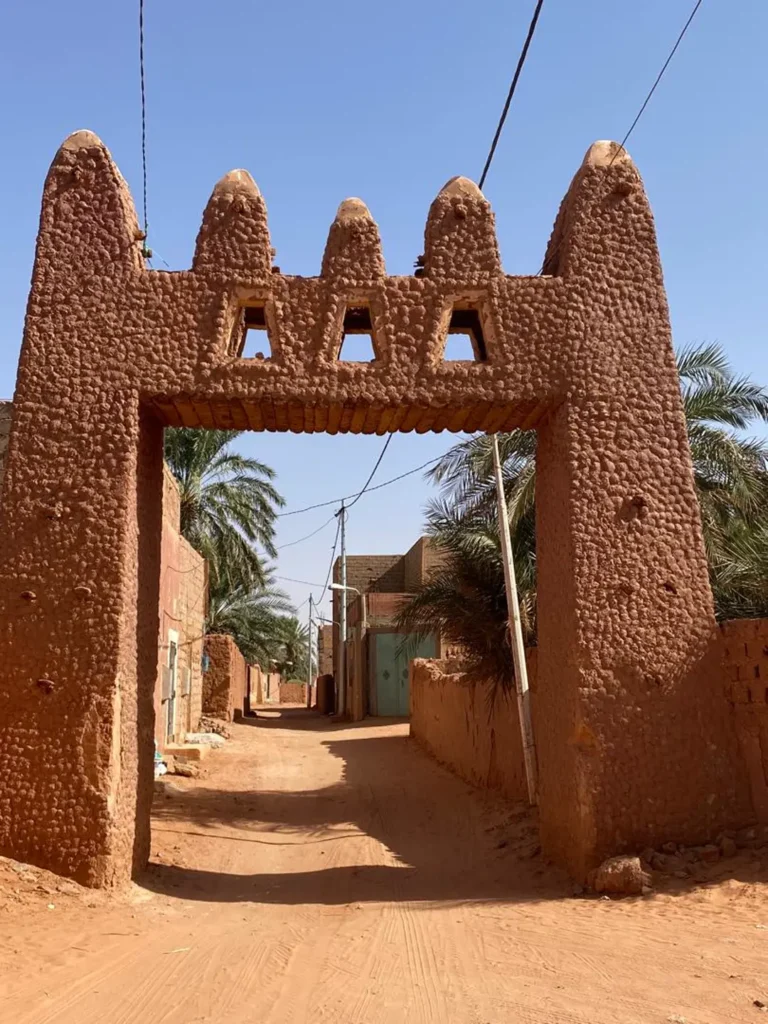
Timimoun, known as the Red Oasis, is a place of striking beauty and deep serenity in the heart of the Algerian Sahara. The city’s vibrant red architecture, which gives it its name, contrasts sharply with the golden sands and azure skies, creating a scene that is both otherworldly and captivating. As you wander through the narrow streets, lined with terracotta houses and ancient mosques, you’ll feel as though you’ve stepped into a timeless world where tradition and beauty are woven into the fabric of daily life. The peaceful atmosphere of Timimoun, coupled with its stunning natural surroundings, makes it a sanctuary for the soul.
Yet, Timimoun is not just about its picturesque scenery; it’s a place where the heart of the Sahara beats with life and culture. The oasis, fed by underground springs, sustains lush palm groves that provide shade and sustenance to the local community. The warmth and hospitality of the people, who welcome visitors with open arms, add to the charm of this unique desert town. As you sit beneath the shade of a palm tree, sipping on sweet mint tea, you’ll feel a profound sense of peace and connection with the land. Timimoun is more than just a destination; it’s an experience that touches the very core of what it means to be human, offering a rare glimpse into the enduring spirit of the desert.
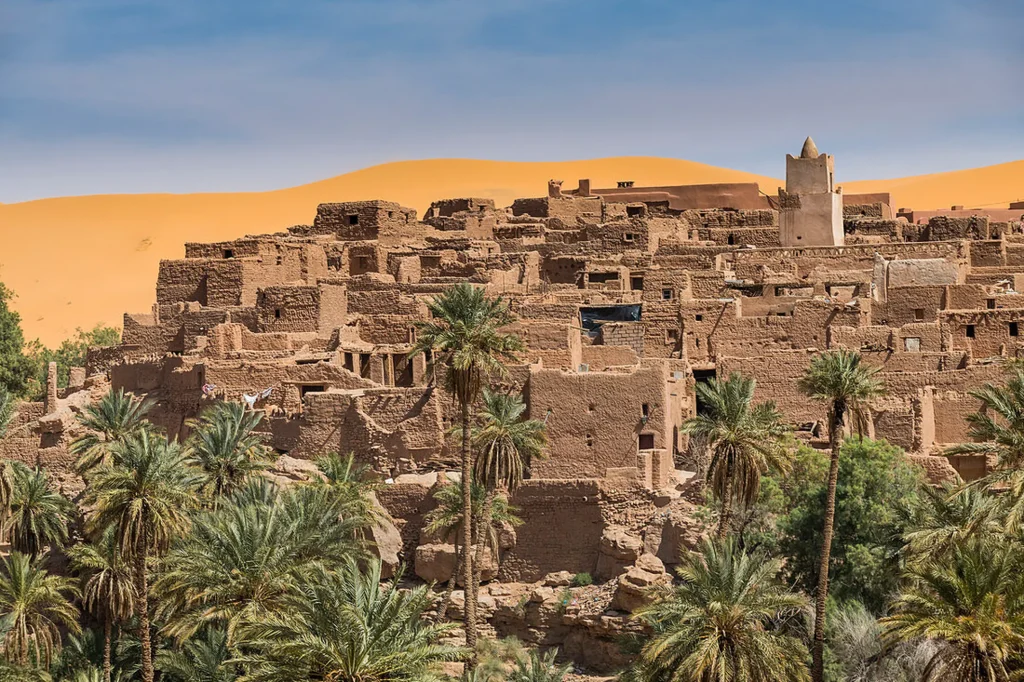
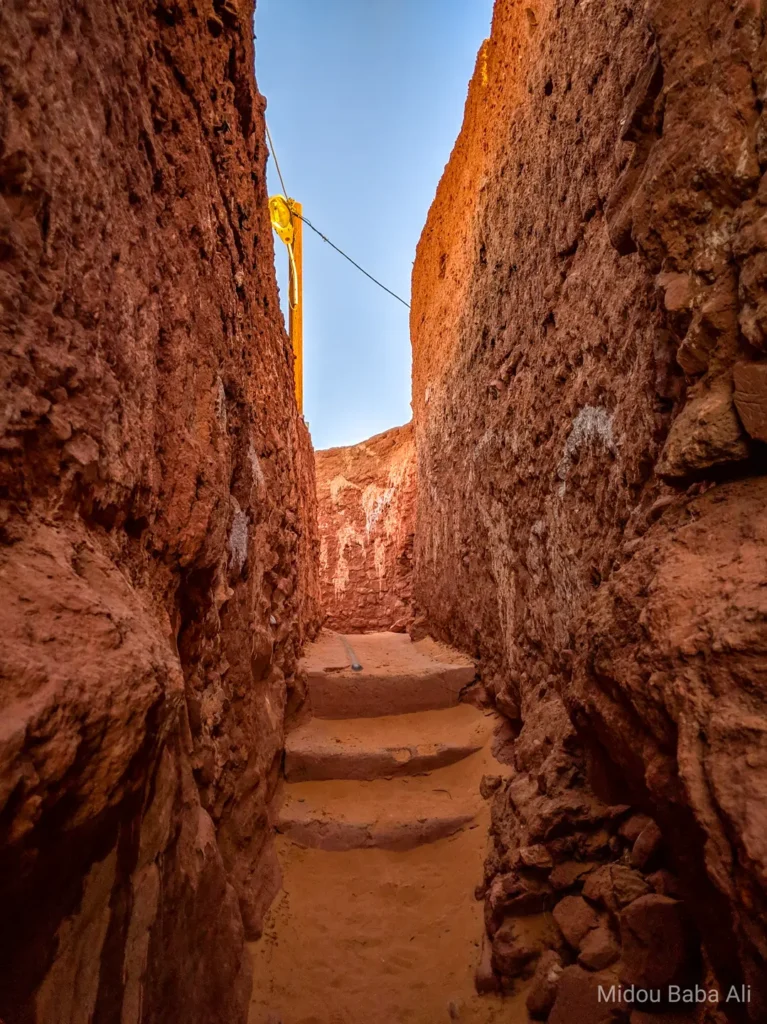
Béni Abbès, the “White Oasis,” is a sanctuary of peace and beauty in the heart of the Algerian Sahara. This serene oasis, known for its stunning landscapes and rich history, is a place where the past and present come together in perfect harmony. The annual Mawlid Ennabaoui celebration, held in Béni Abbès, is a vibrant display of tradition and community, drawing visitors from all over the world to experience the warmth and hospitality of the local people. The oasis, with its lush palm groves and crystal-clear springs, is a symbol of life in the desert, a place where the soul can find rest and renewal.
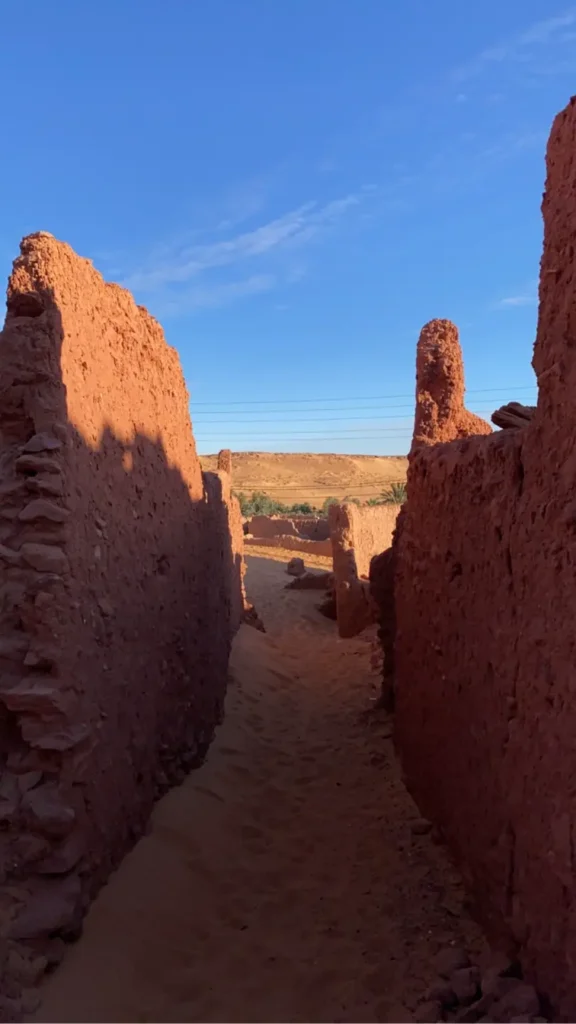
But Béni Abbès is not just about its natural beauty; it’s a place where history and culture are deeply rooted in the land. The town’s ancient ksour, with their adobe walls and winding alleyways, tell the story of a community that has thrived in the desert for centuries. The local people, known for their kindness and generosity, welcome visitors with open arms, eager to share their traditions and way of life. Whether you’re exploring the historic sites, participating in a traditional celebration, or simply enjoying the tranquility of the oasis, Béni Abbès offers an experience that touches the heart and soul. It’s a place where the beauty of the desert is matched only by the warmth of its people, a place where every visit is a journey into the heart of the Sahara.

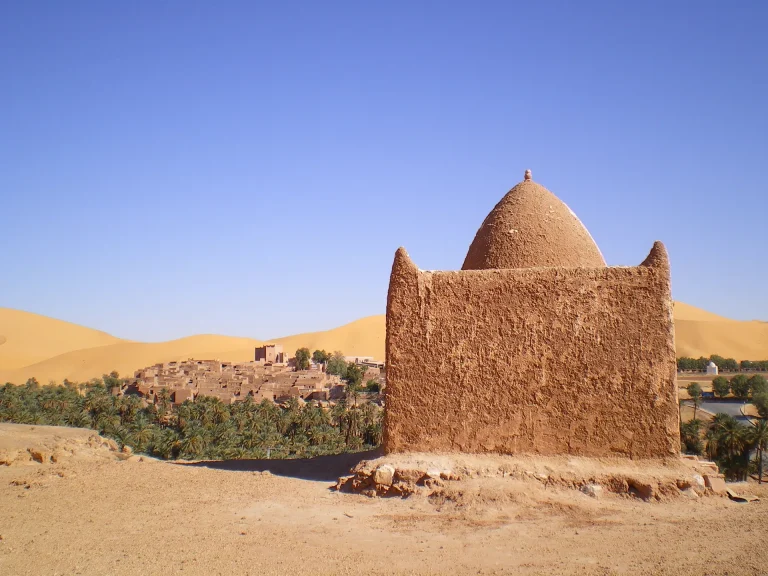
As the capital of the Saoura region, Bechar is more than just a desert city, it’s a vibrant hub where tradition meets transition, and where the spirit of the Sahara begins to unfold. Located between rocky hills and desert plains, Béchar serves as a natural and cultural gateway to Algeria’s southwestern wonders.
The city itself is lively, with colorful markets, local music echoing from cafés, and a warm atmosphere shaped by its Saharan roots. Béchar has a strong identity, influenced by Arab, Amazigh, and Gnawa heritage, and is home to a rich blend of cultures that have coexisted here for generations.
One of the city’s most charming features is its proximity to stunning desert landscapes. Just a short drive away lies Kenadsa, a historic ksar known for its palm groves, spiritual heritage, and old mudbrick architecture. The Saoura Valley, dotted with small oases and ancient settlements, also stretches out beyond the city, offering unique opportunities for exploration and storytelling.
Béchar is also known for hosting traditional music festivals, including performances of Diwan and Gnawa music, which are deeply connected to the region’s African and Saharan roots. The city celebrates its diversity, and visitors often find themselves immersed in unexpected rhythms and rich conversations.
For travelers, Béchar offers an authentic introduction to desert life, along with the comforts of a modern town. It’s a place to pause, connect, and prepare for the deeper Sahara awaiting just beyond the horizon.
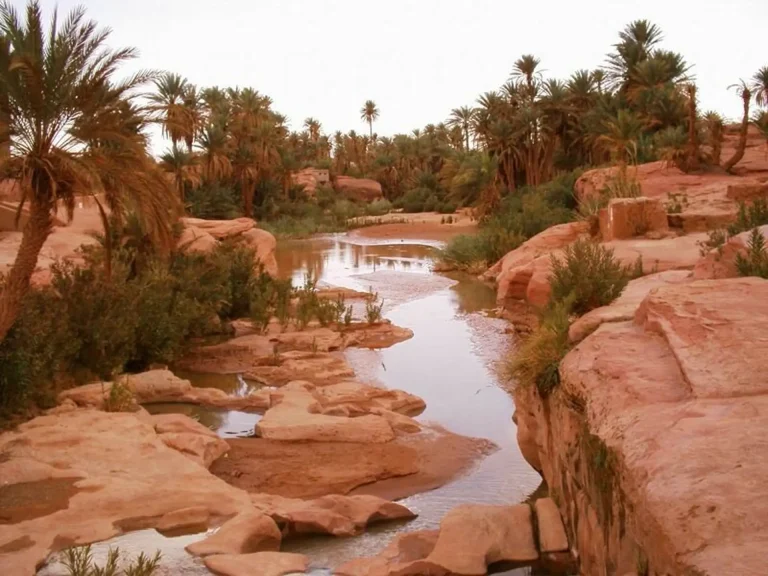
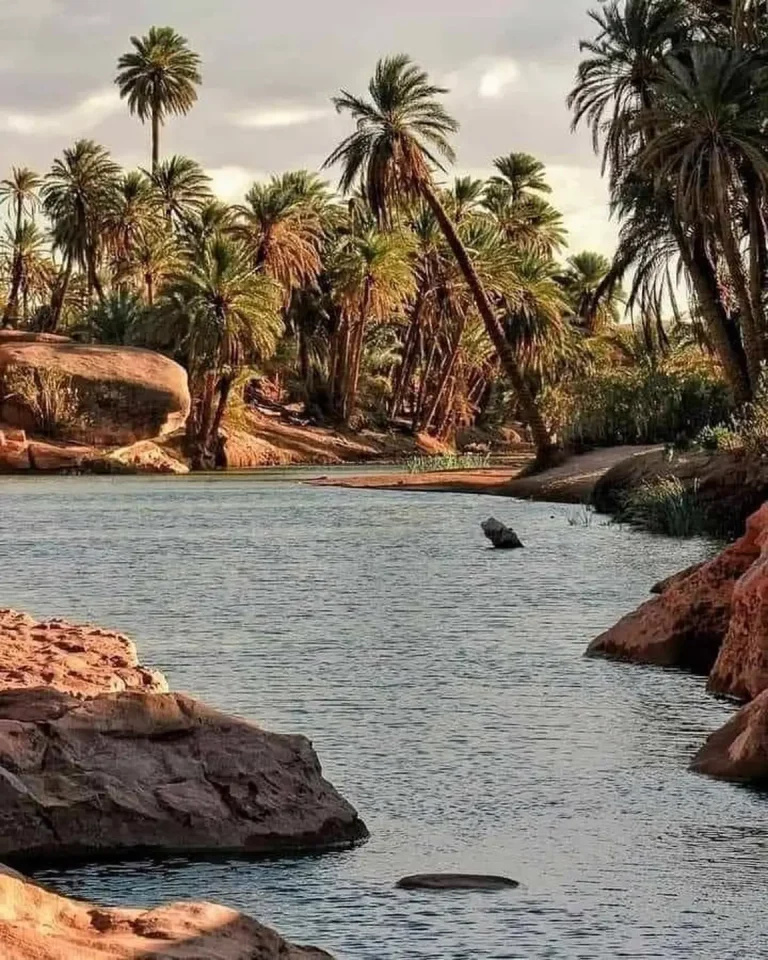
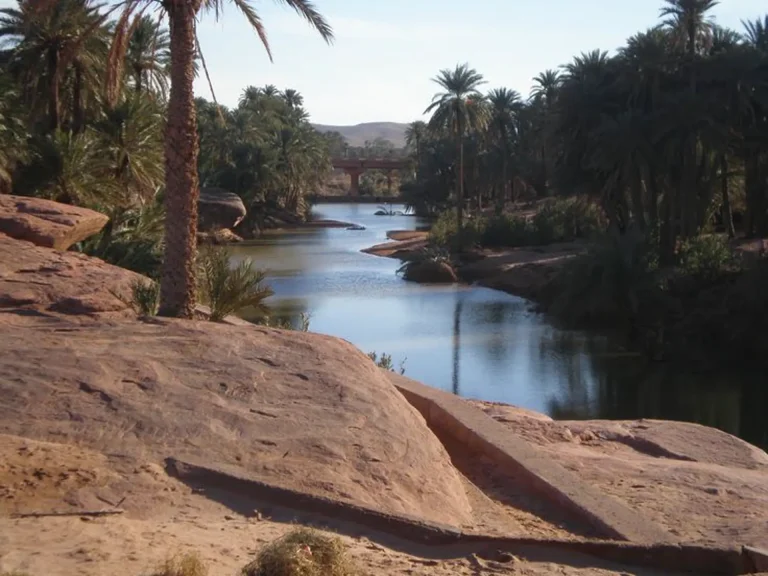
Known as the “Gateway to the Sahara”, Ain Sefra is a breathtaking town nestled between the red sand dunes of the Sahara and the towering Mountains of the Ksour Range. This unique location makes it one of Algeria’s most scenic and surprising destinations, where visitors can witness the rare meeting of snow and sand in winter and the golden silence of the desert in summer.
Ain Sefra is often referred to as the “City of Lalla Fatma N’Soumer” and holds a special place in Algerian history and identity. With its cool mountain breeze, charming architecture, and quiet palm groves, the town invites travelers to slow down and connect with nature and heritage.
One of Ain Sefra’s most iconic features is its spectacular surrounding landscape. Just outside the city, visitors can hike in rocky canyons, visit the ancient ruins of ksour (fortified villages), and climb dunes that offer panoramic views of the vast desert. The site of Mount Mekther, covered in snow in the winter months, creates an image found nowhere else in Algeria, and perhaps the world.
This region is also rich in prehistoric rock art, with sites like Djebel Mekther preserving thousands of years of human expression carved into stone. These silent messages from the past tell stories of hunters, animals, and early civilizations that once roamed these lands.
With its striking contrast of climates, colors, and cultures, Ain Sefra offers an emotional and visual experience that leaves a lasting impression. It’s a perfect place for photographers, nature lovers, and travelers seeking something truly unforgettable.
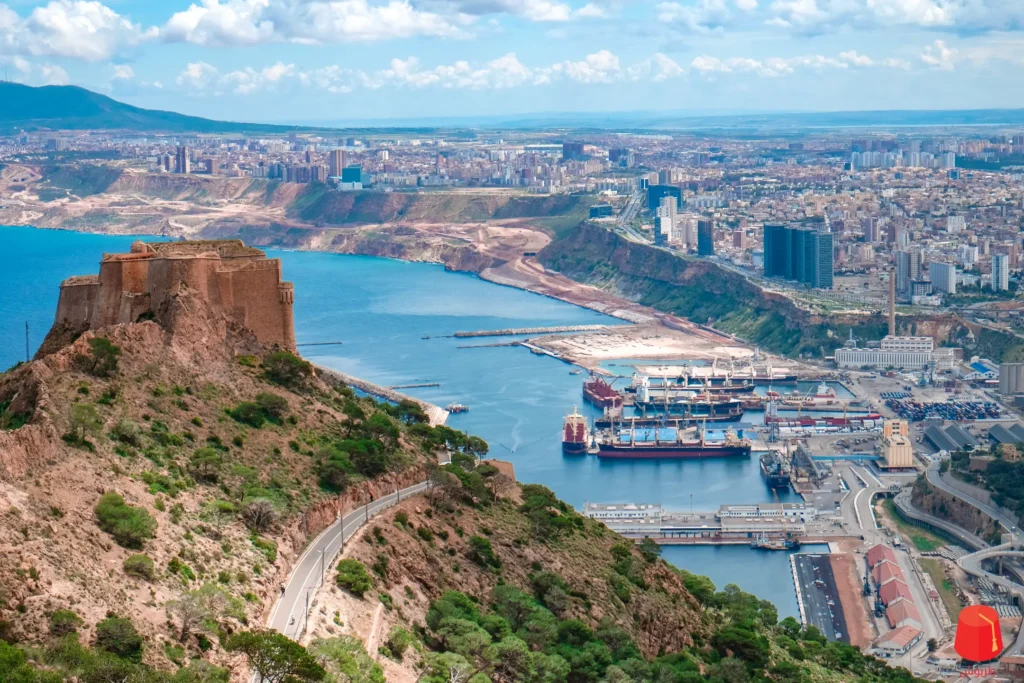
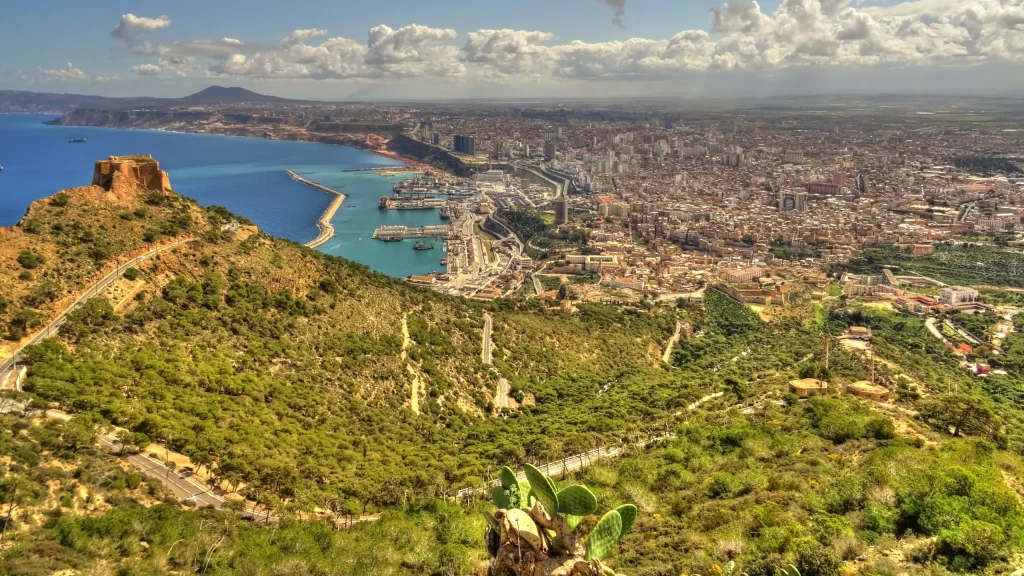
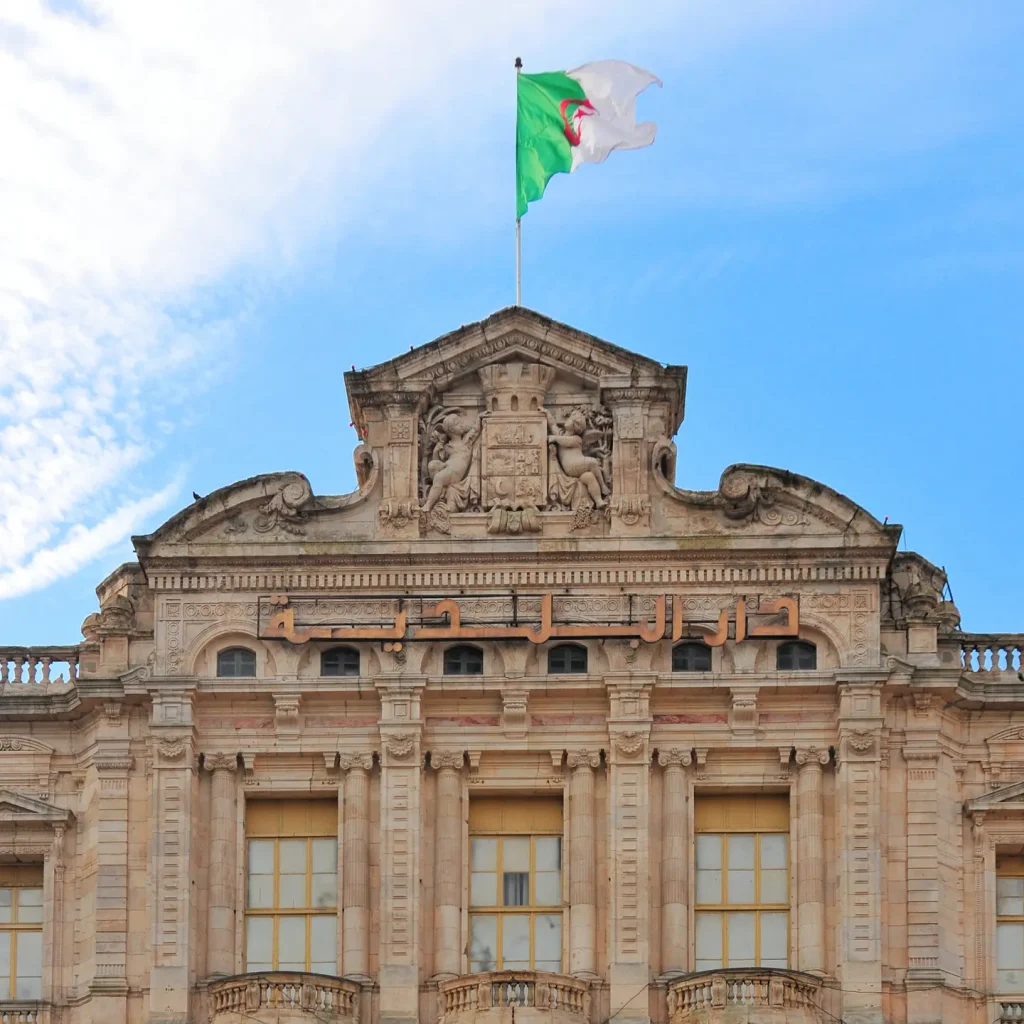
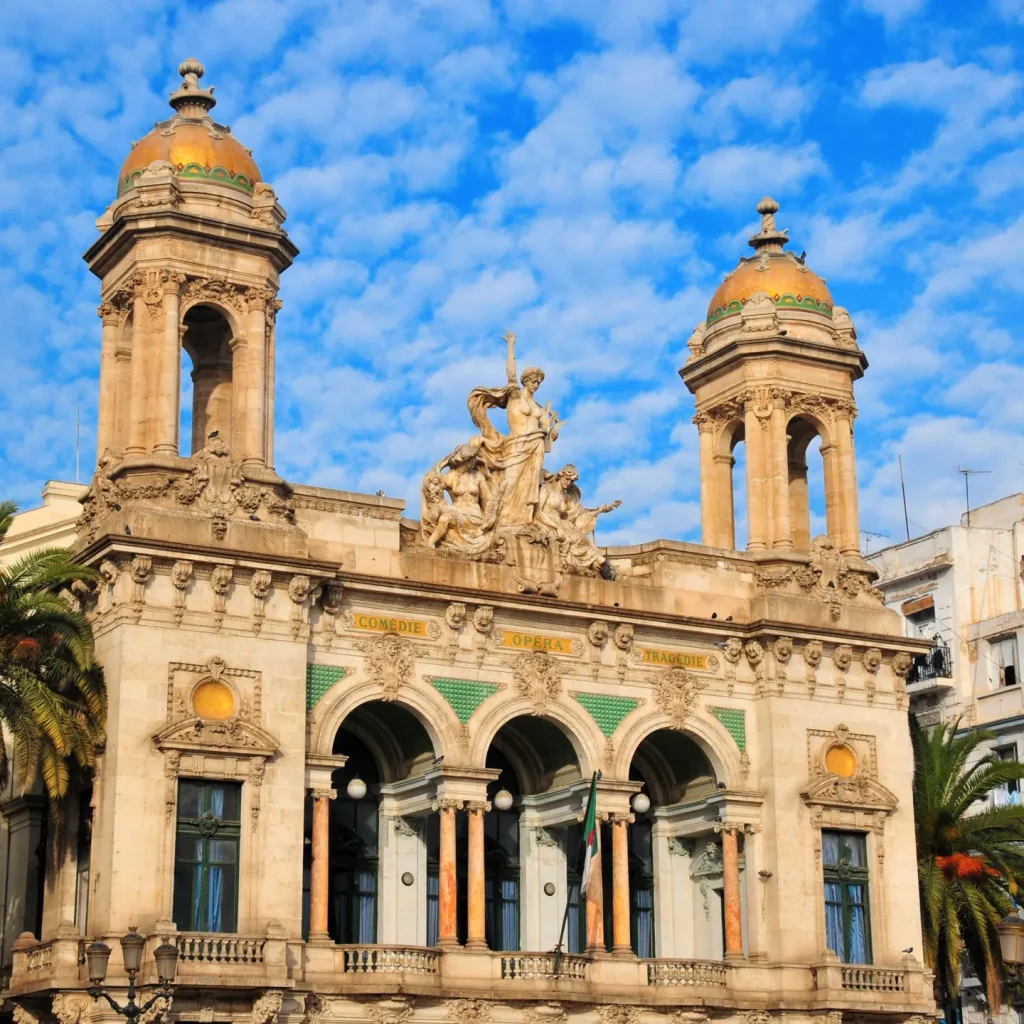
Oran, the “Radiant One,” is a city that pulses with energy, creativity, and history. As Algeria’s second-largest city, Oran is a vibrant cultural hub where the past and present coexist in a dynamic blend of tradition and modernity. The city’s rich heritage, shaped by Arab, Berber, Spanish, and French influences, is reflected in its diverse architecture, lively music, and thriving arts scene. Walking through the streets of Oran, you’ll encounter a city that is alive with the sounds of Raï music, the laughter of its people, and the vibrant colors of its markets. It’s a place where every corner has a story to tell, and every moment is filled with life.
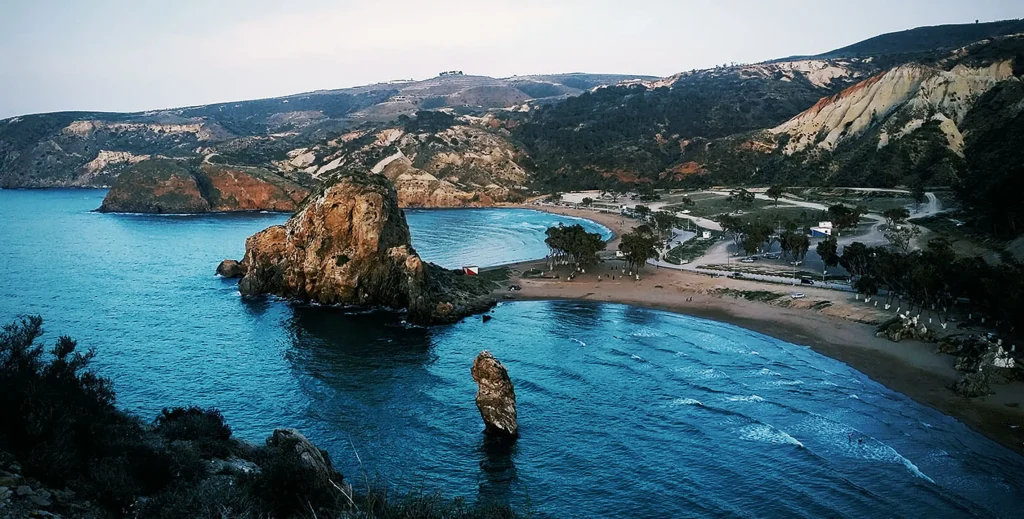
But what truly sets Oran apart is its spirit of resilience and creativity. The people of Oran, known for their warmth and hospitality, welcome visitors with open arms, eager to share the beauty and culture of their city. Whether you’re exploring the historic sites, enjoying a traditional meal in a local restaurant, or dancing to the rhythms of Raï music, you’ll feel the heartbeat of Oran in every experience. The city’s coastal location, with its stunning beaches and panoramic views, adds to the sense of freedom and possibility that Oran embodies. It’s a place where the past is honored, the present is celebrated, and the future is embraced, a city that leaves a lasting impression on all who visit.



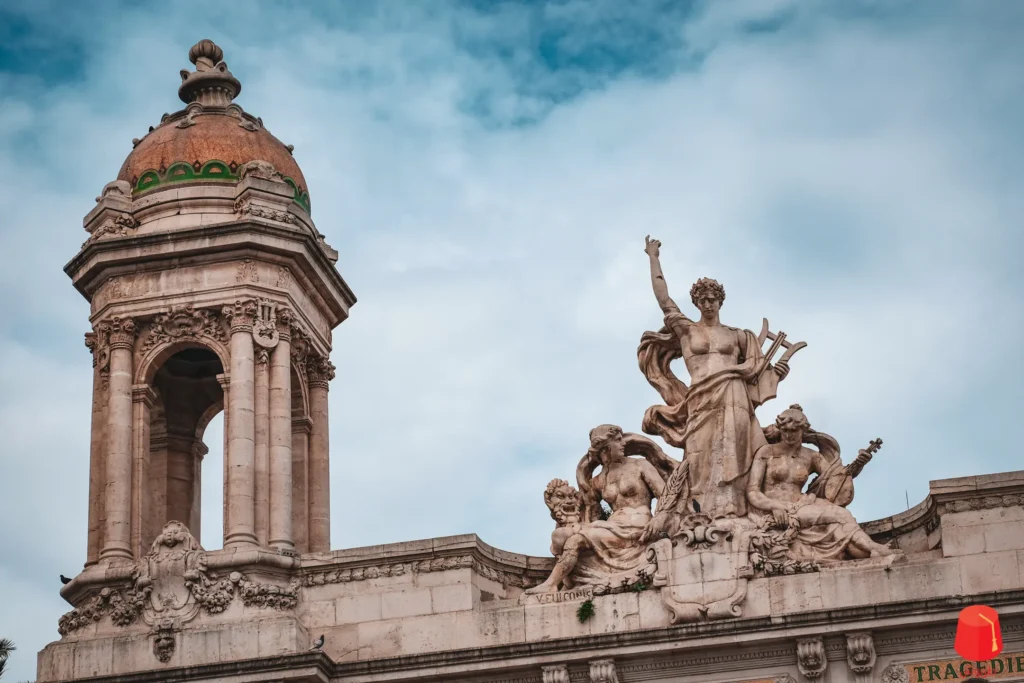

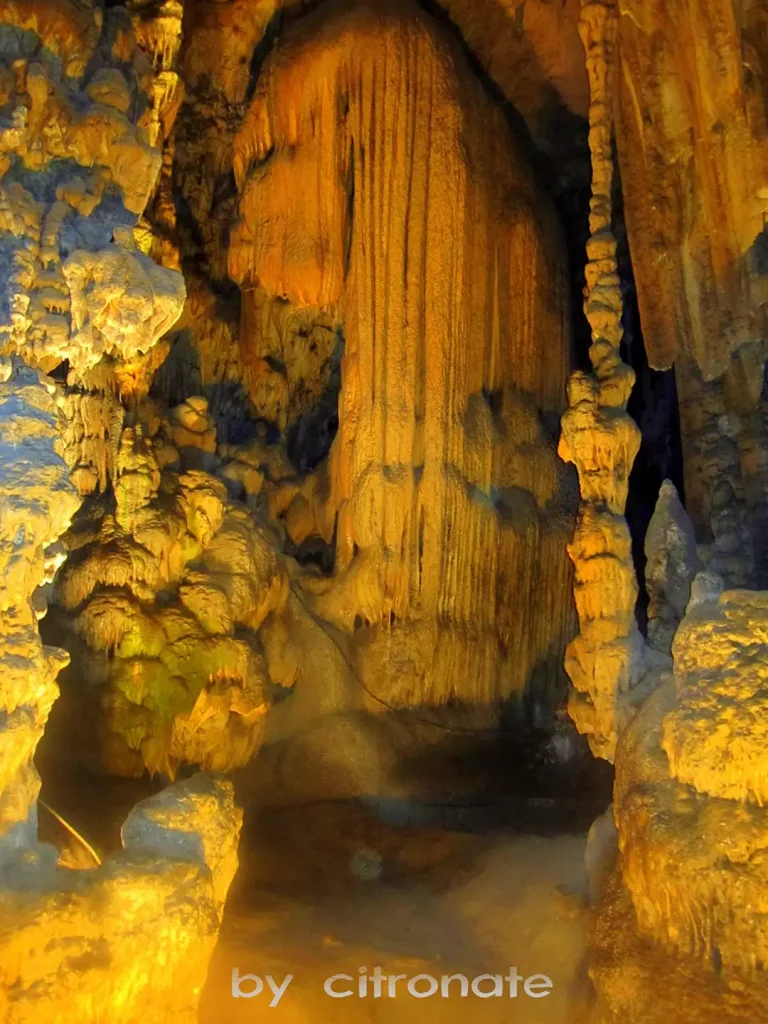
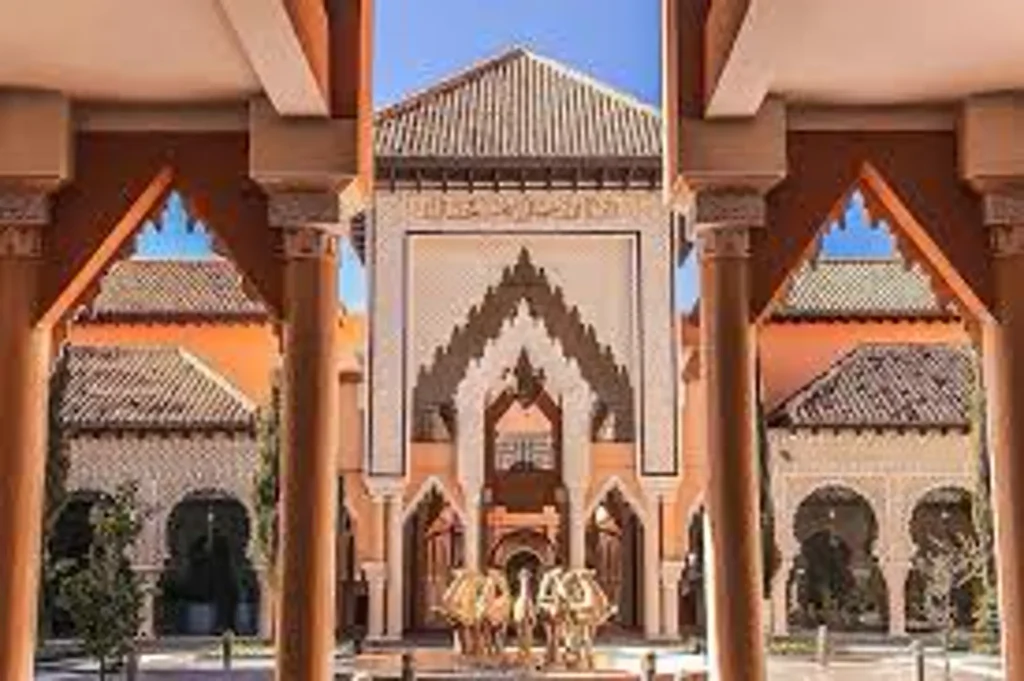
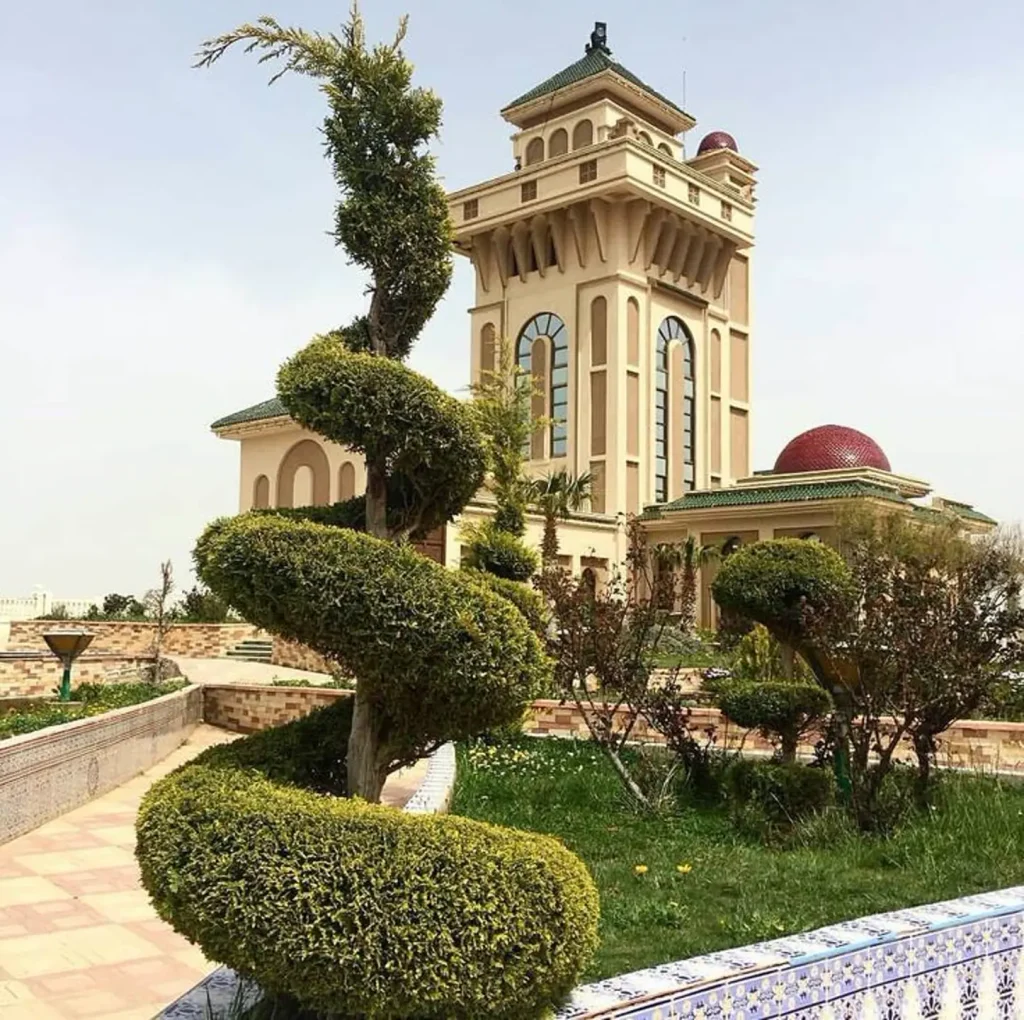
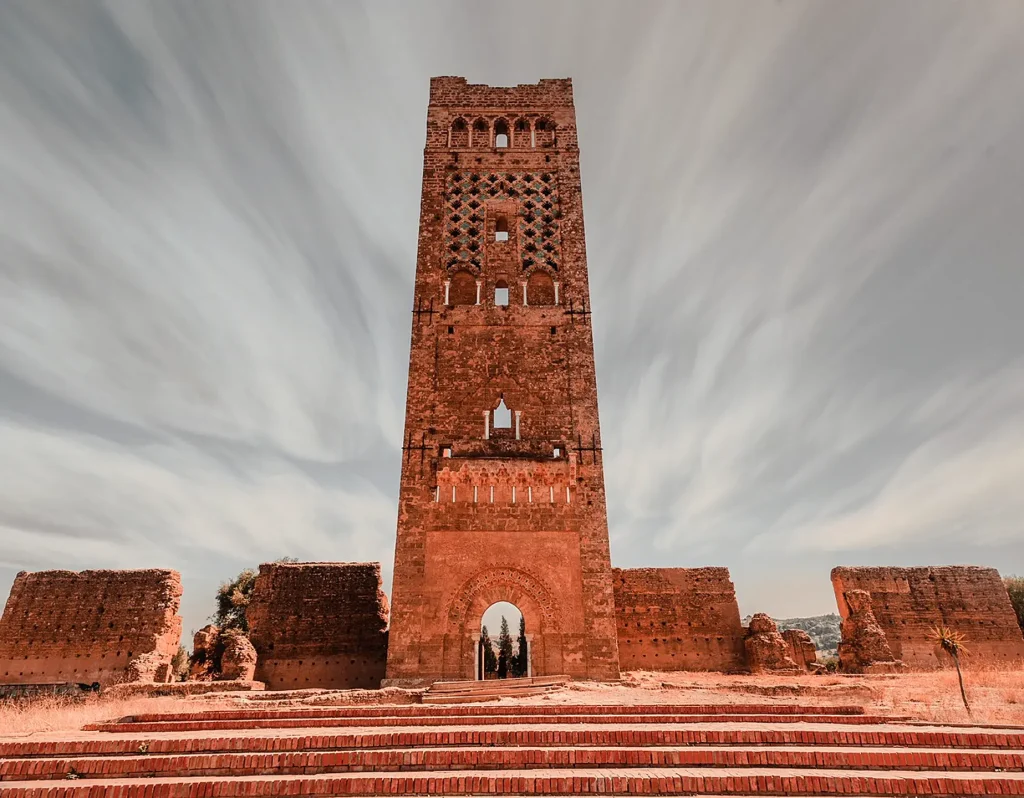
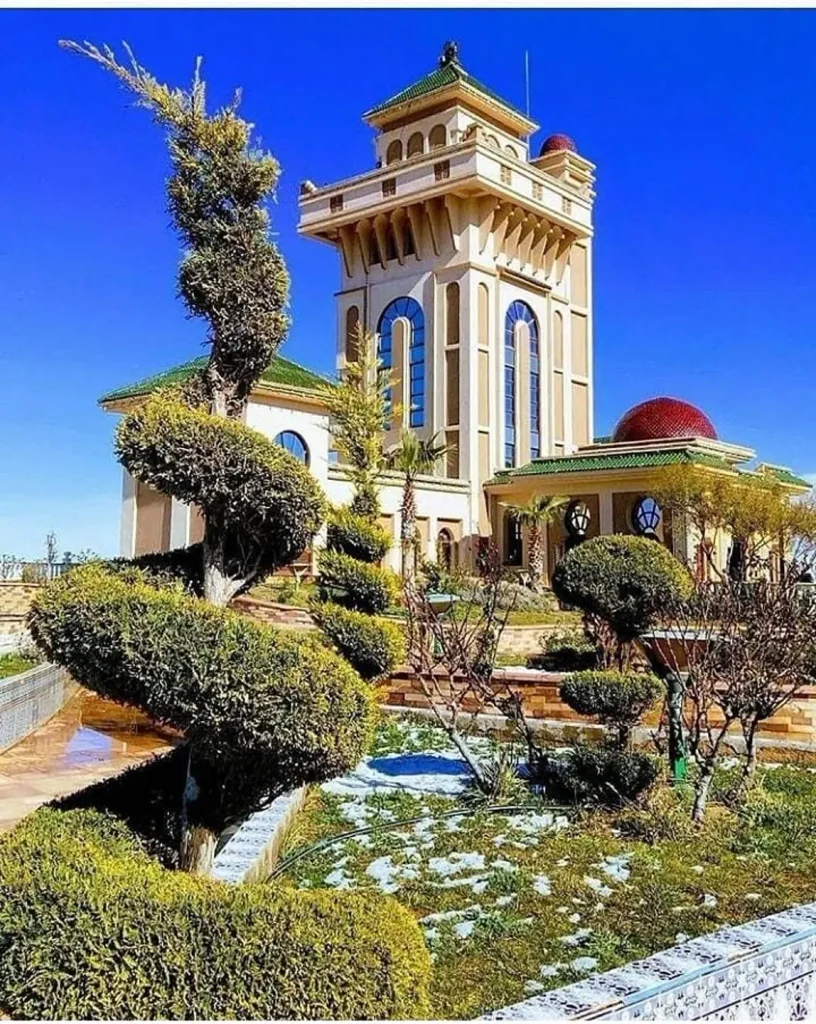
Often called “the Granada of Algeria”, Tilemcen is one of the country’s most elegant and historically rich cities. With its blend of Andalusian beauty, Islamic architecture, and deep spiritual traditions, Tilemcen invites visitors into a world of refined culture and timeless charm.
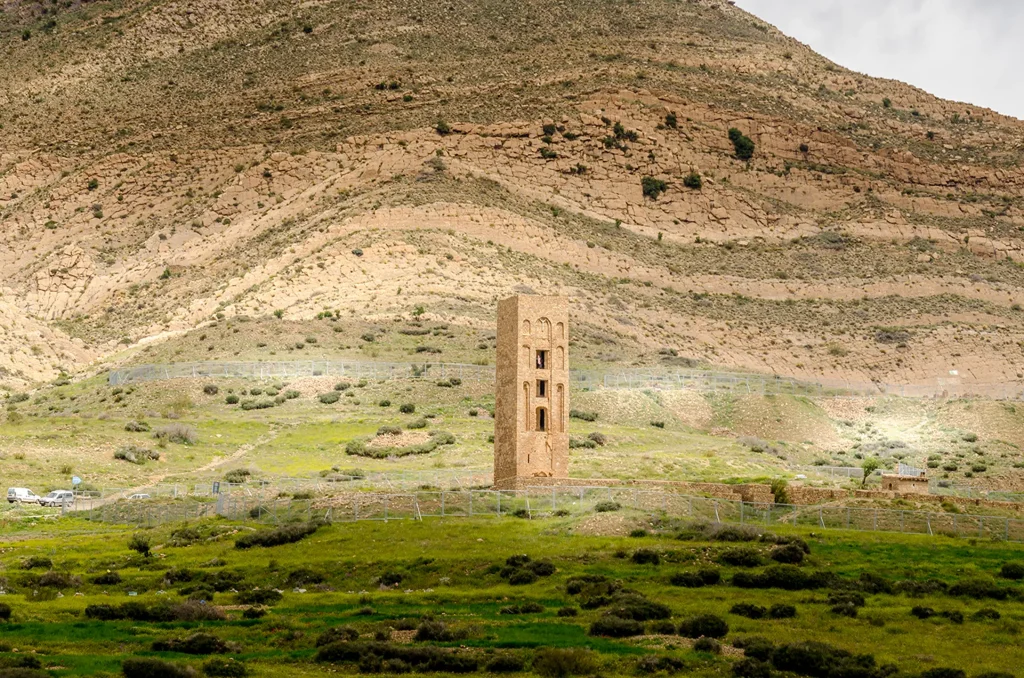
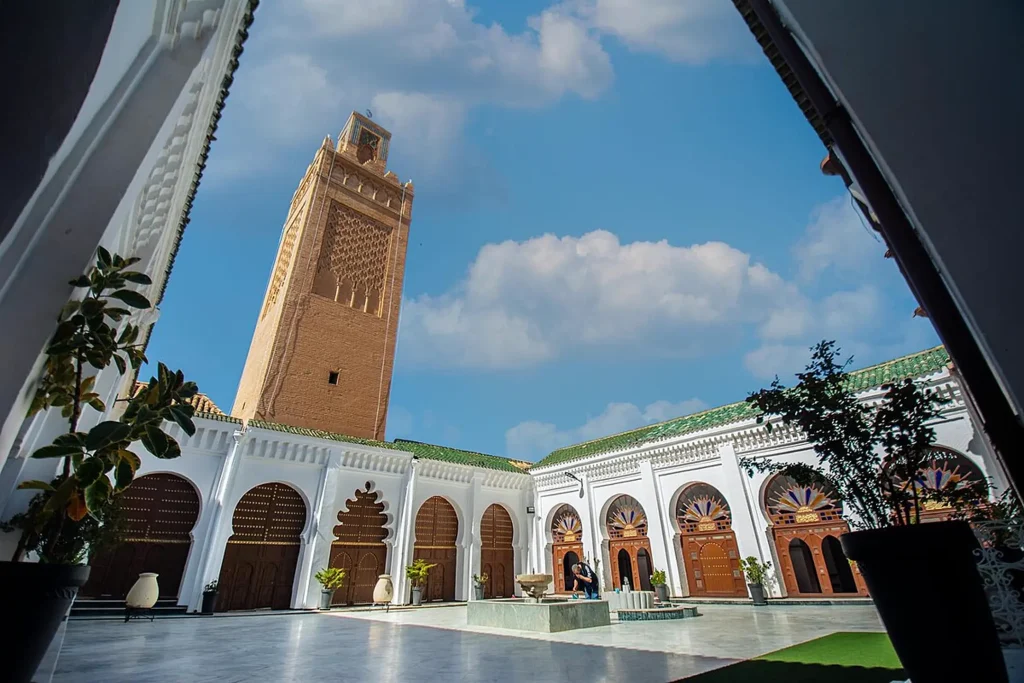
Perched in the green hills of northwestern Algeria, the city was once a powerful center of the Zayyanid dynasty, and its legacy is visible in every corner. At the heart of the city stands the Great Mosque of Tilemcen, a masterpiece of 12th-century architecture, known for its harmonious design and finely carved arches. Nearby, the Sidi Boumediene complex, which includes a mosque, madrasa, and tomb, is one of the most sacred sites in the region, drawing visitors for both its spiritual weight and architectural grace.
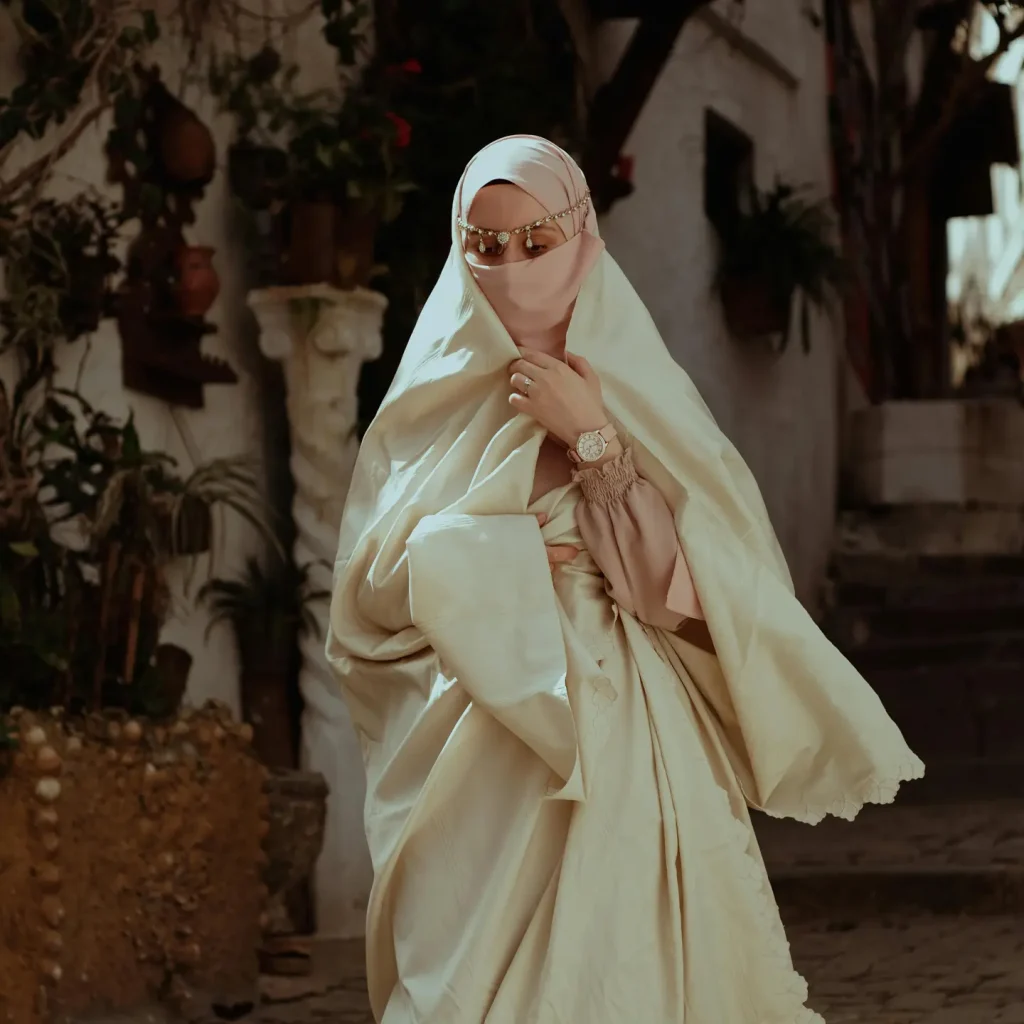
Tilemcen is also famous for its craftsmanship. The city has long been a hub for weavers, ceramic artists, and tailors specializing in traditional embroidery and elegant djellabas. Walking through the old medina, visitors can explore bustling souks, hidden courtyards, and workshops where artisans keep centuries-old techniques alive.
Beyond the city center, nature adds to Tilemcen’s appeal. The El Ourit waterfalls, surrounded by cliffs and greenery, offer a peaceful escape, while the nearby Tilemcen National Park provides hiking trails, caves, and panoramic views over the region.
Tilemcen is a city of balance, between sacred and secular, art and architecture, culture and landscape. Visiting it feels like opening a beautifully written chapter in Algeria’s story, one that lingers long after the journey continues.