

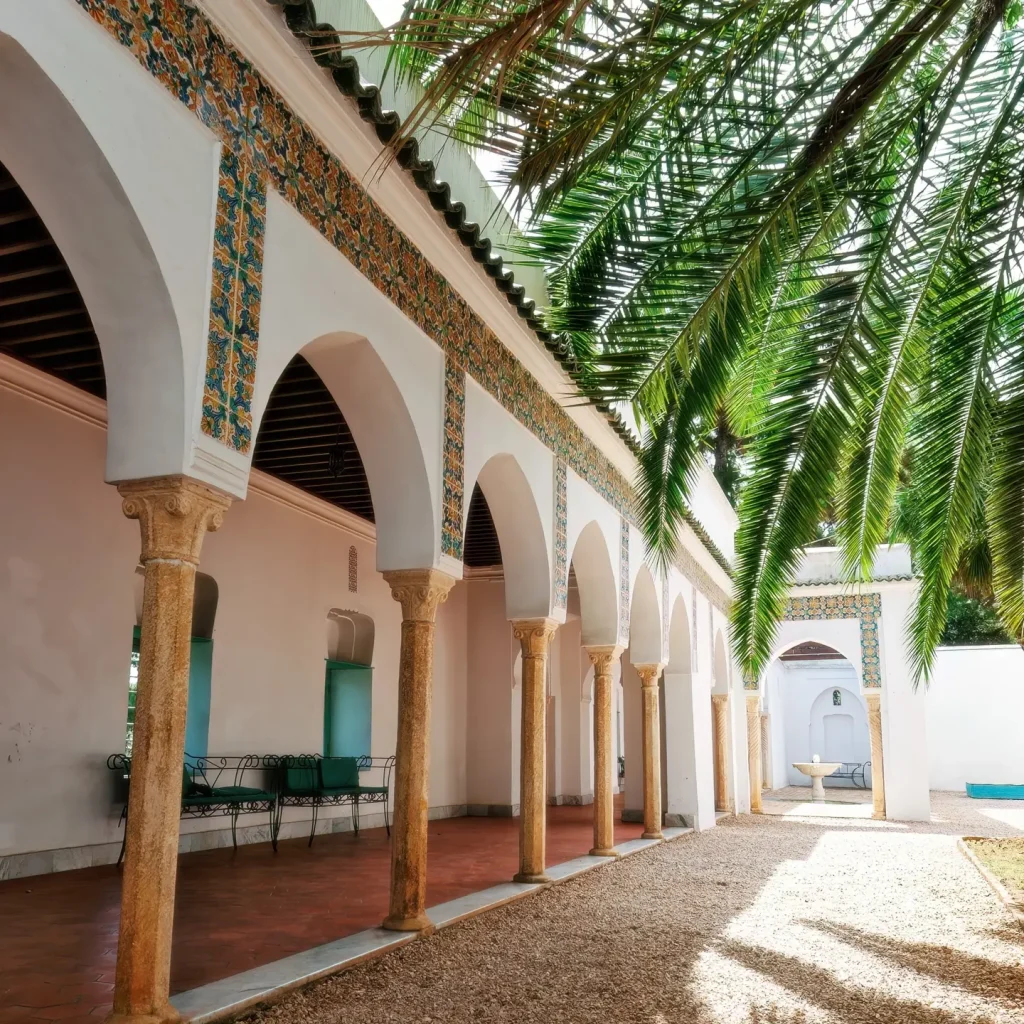
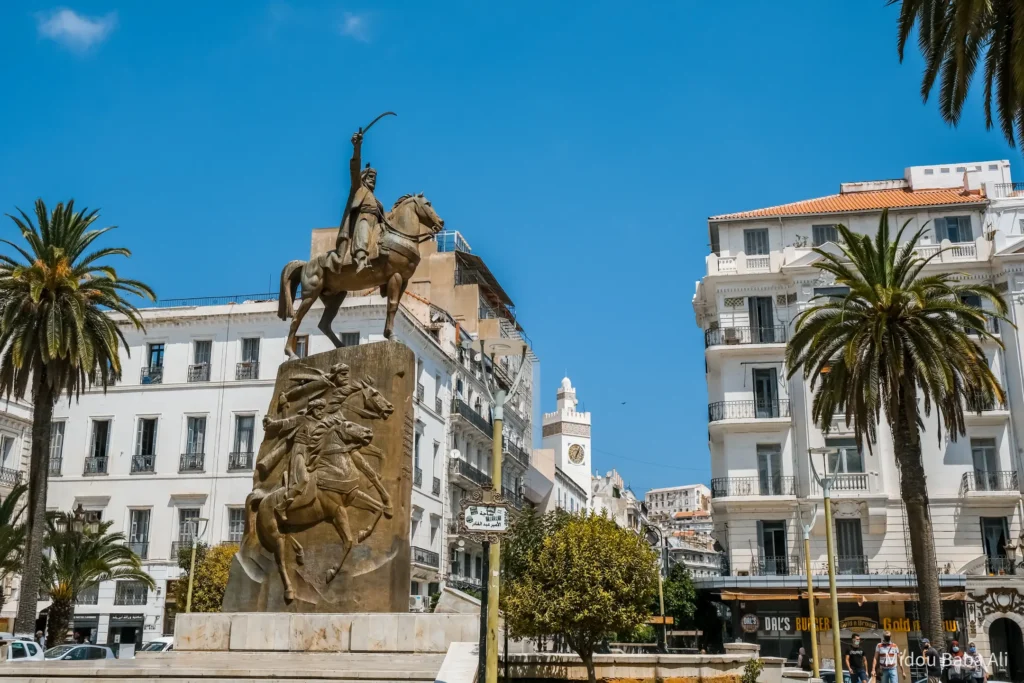

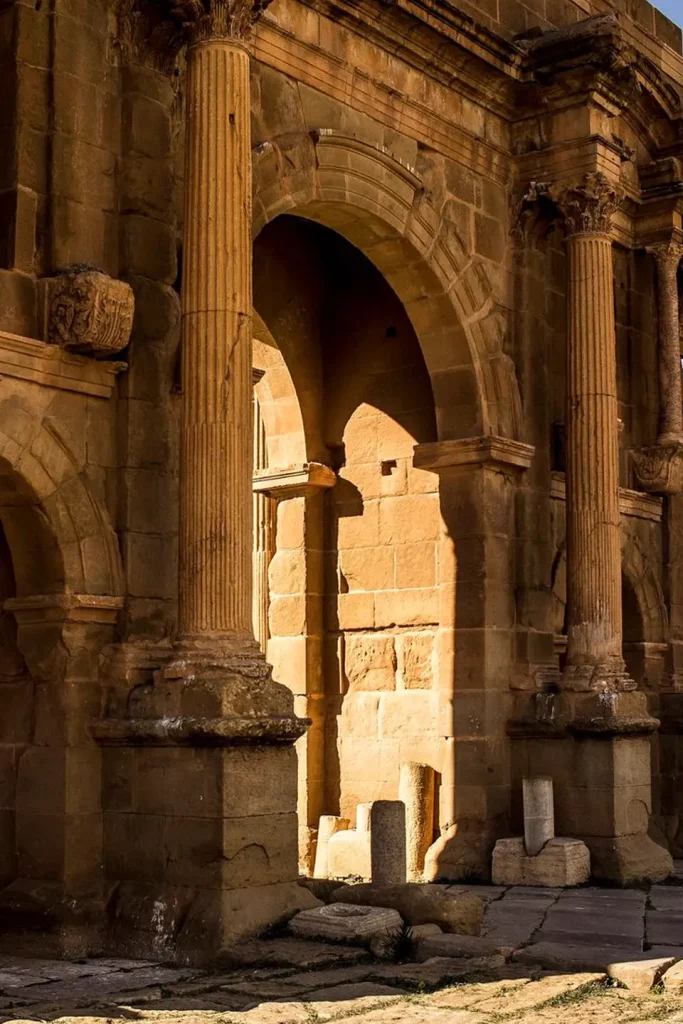

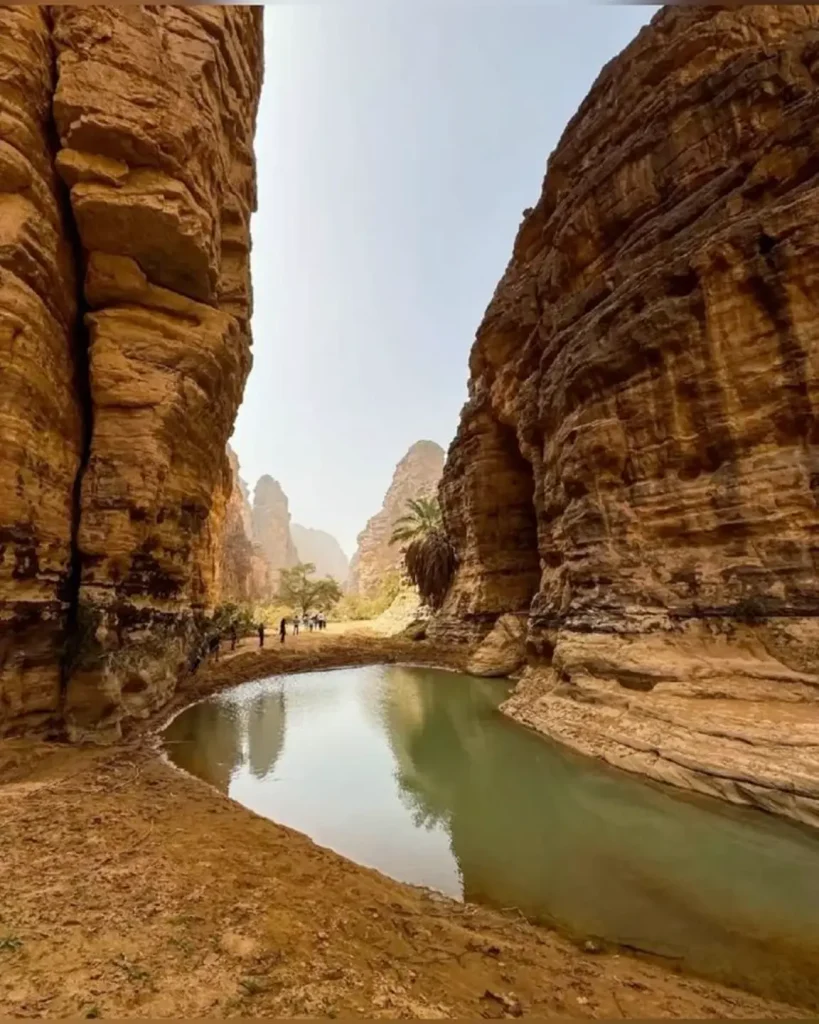



Each site is a chapter in a story that spans thousands of years, from Roman urban planning in Timgad and Djemila, to the Islamic architecture of Beni Hammad and the labyrinthine streets of the Kasbah of Algiers. The M’Zab Valley showcases a desert society that still thrives today, while the rock art of Tassili n’Ajjer offers a rare and powerful glimpse into prehistoric life in the Sahara.
The journey not only reveals the architectural and artistic mastery of these places, but also their living significance, the people, traditions, and landscapes that still surround them.
This is a tour for lovers of history, culture, archaeology, and timeless beauty. By the end, you won’t just have seen Algeria’s highlights, you’ll have experienced the heritage of humanity through the lens of one of the world’s most diverse and ancient countries.
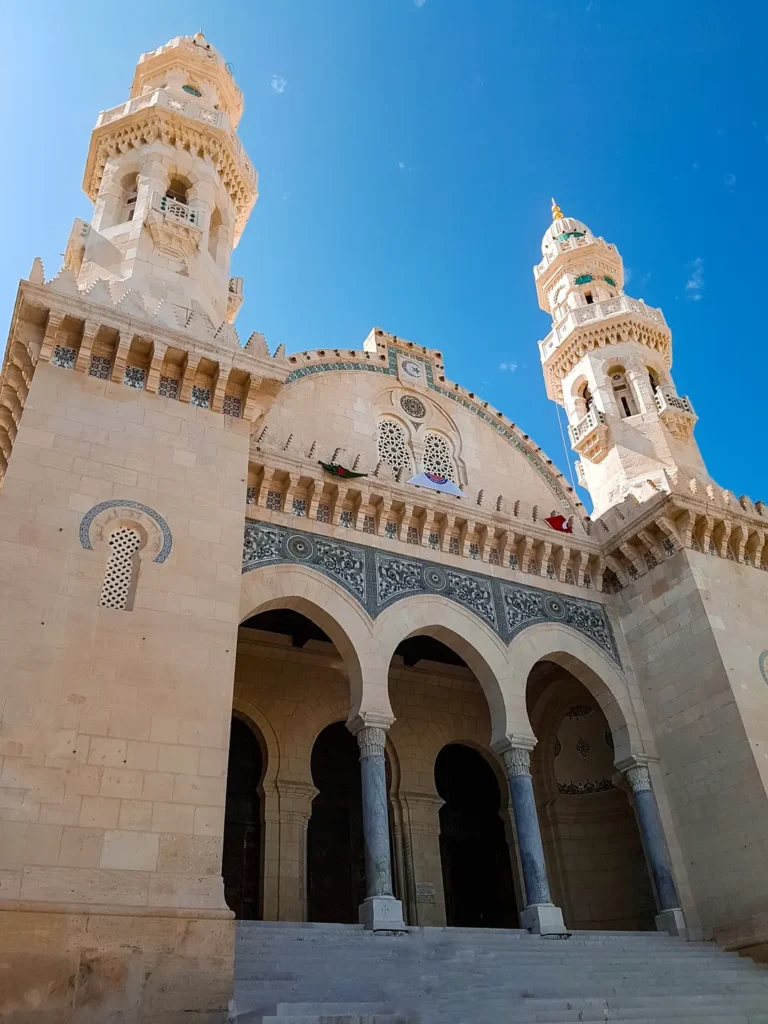
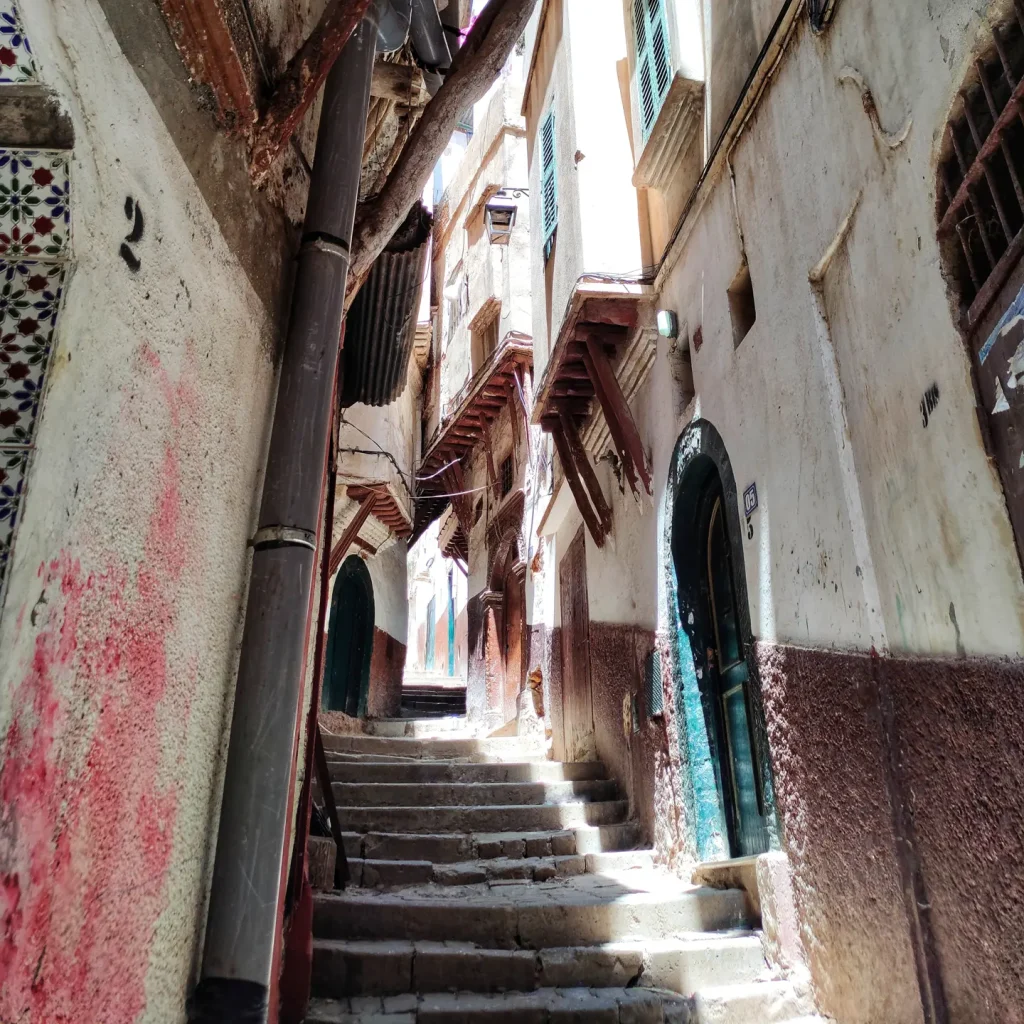
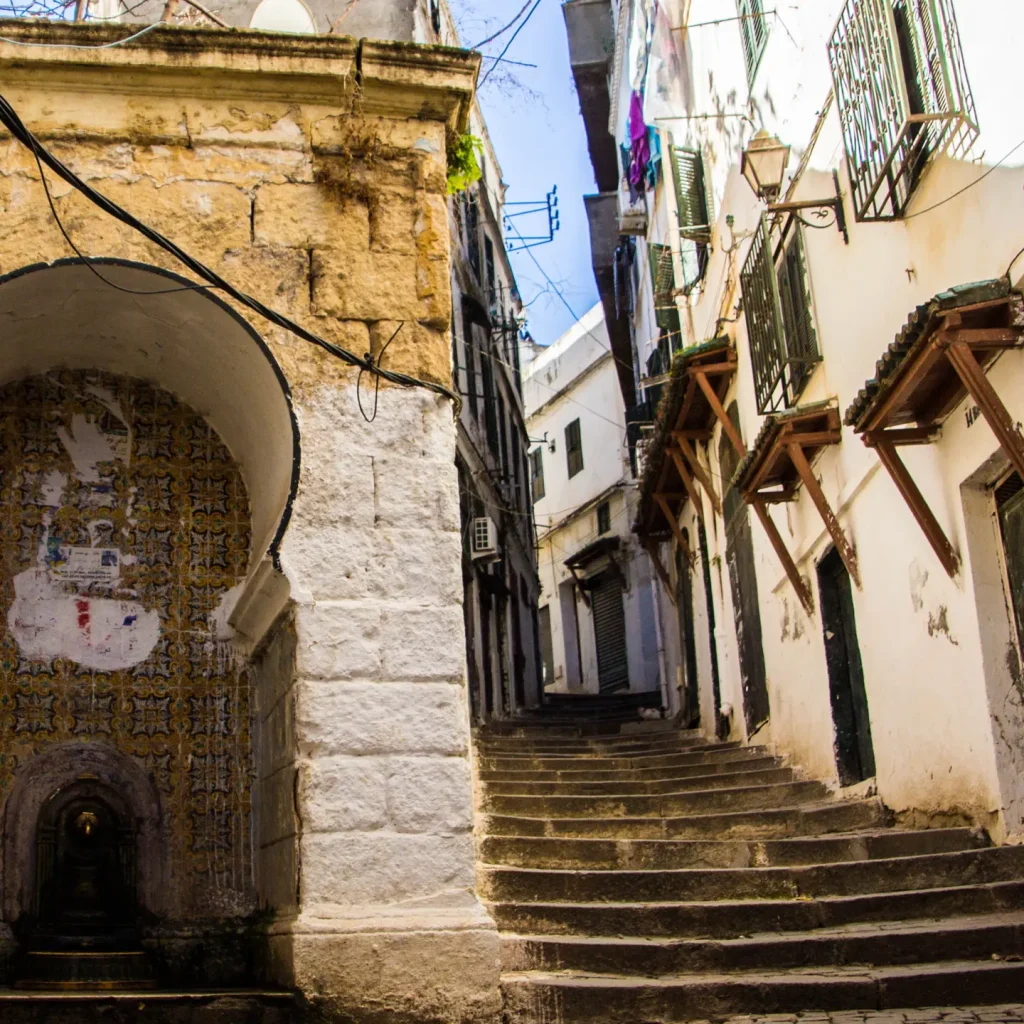
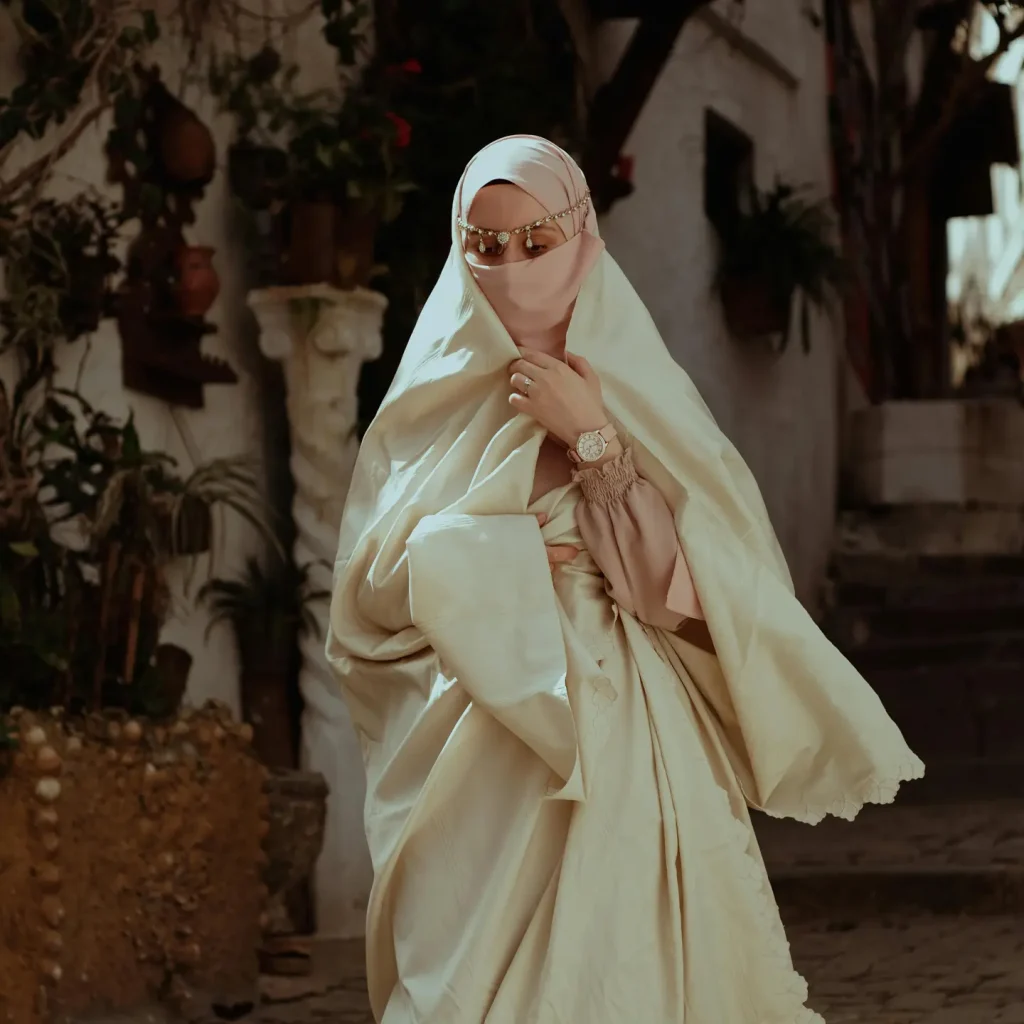
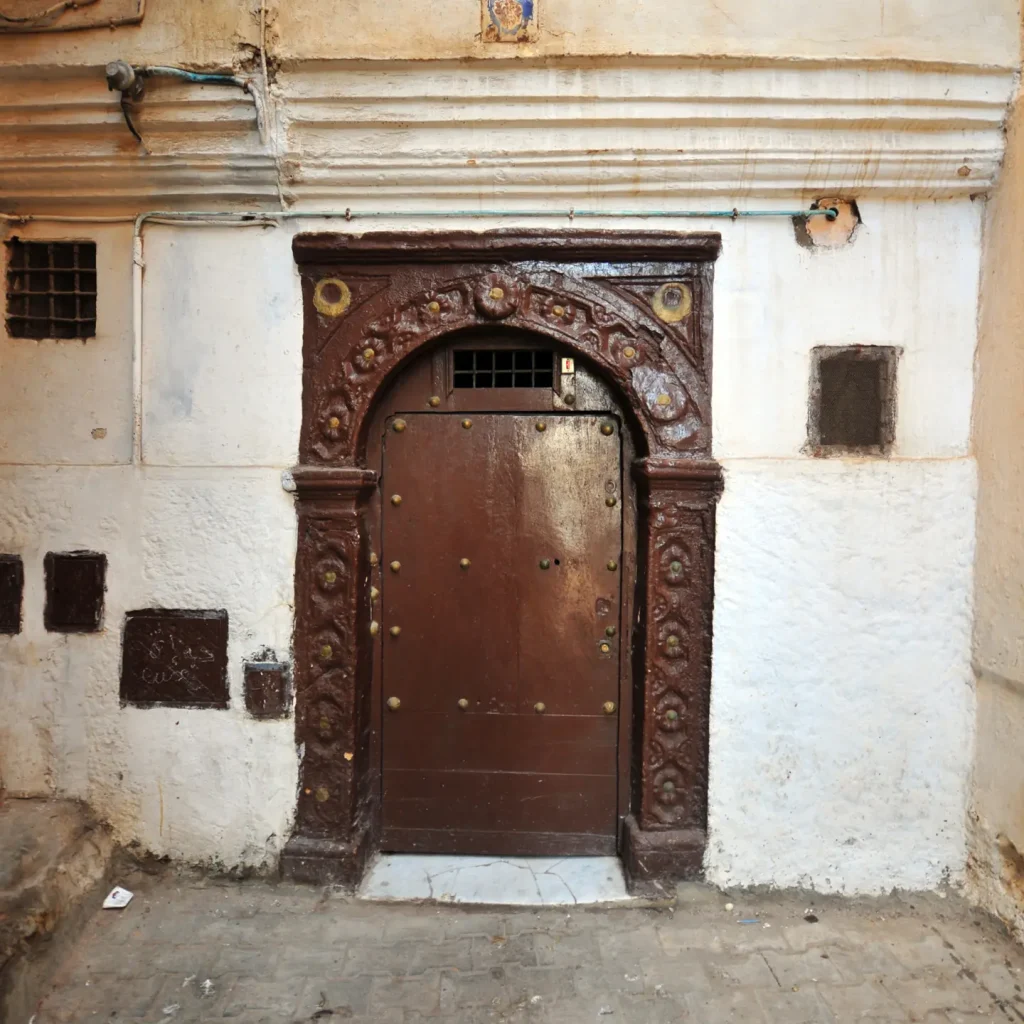
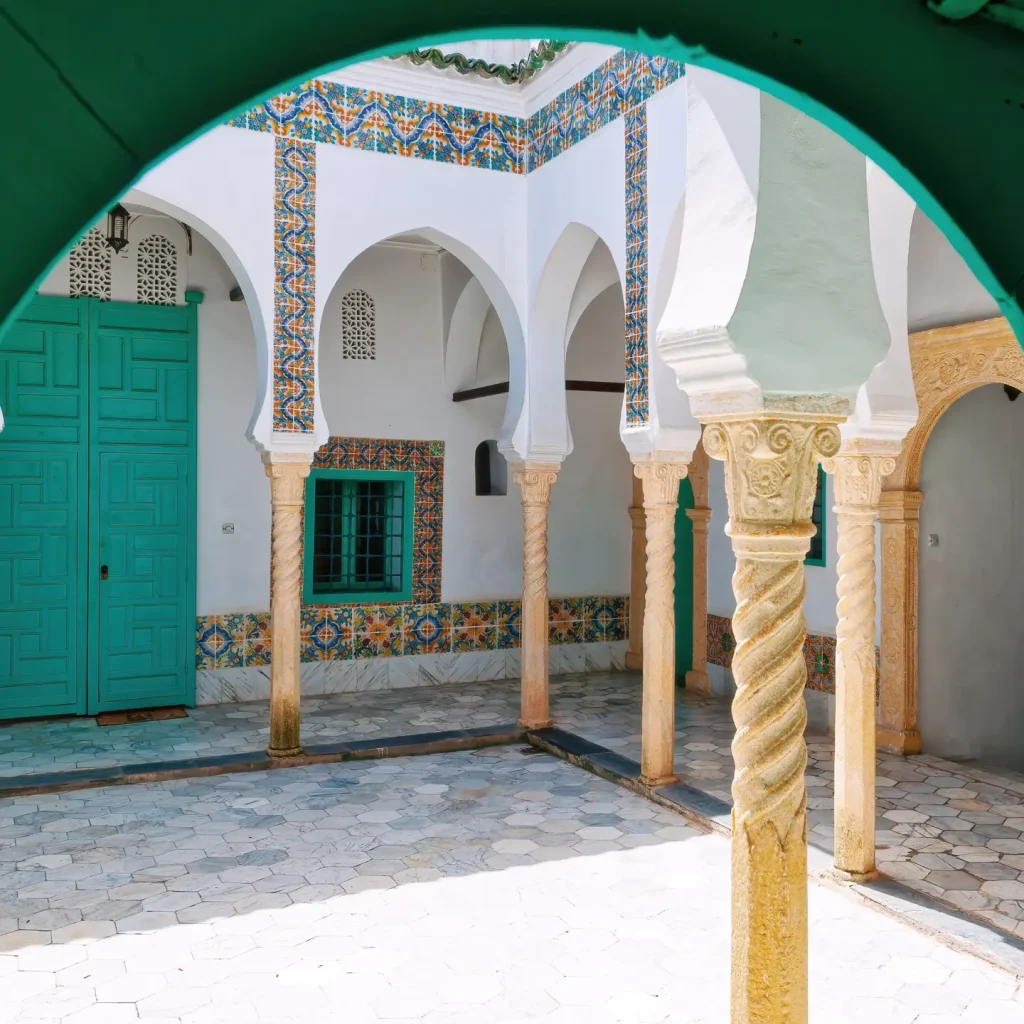
Walking through the Kasbah is a sensory journey. The scent of traditional bread from tiny bakeries mixes with the sound of distant calls to prayer, and every turn reveals a new story — whether from a local craftsman, a hidden courtyard, or a beautifully aged doorway.
Beyond its beauty, the Kasbah of Algiers holds a powerful place in Algeria’s national memory. It was a stronghold of resistance during the War of Independence, and its walls still echo with the spirit of freedom and resilience.
To visit the Kasbah is to walk through the heart of Algiers, where the city’s soul has endured for generations.
Perched on a hillside overlooking the Bay of Algiers, the Kasbah of Algiers is a dense, enchanting maze of narrow alleyways, whitewashed houses, and centuries-old secrets. Recognized by UNESCO as a World Heritage Site for its historical and architectural importance, the Kasbah is not a monument frozen in time — it’s a living city that still breathes with the rhythm of everyday life.
Originally built on the ruins of the ancient Roman city of Icosium, the Kasbah developed into a vibrant Islamic city during the 16th century, reaching its height during the rule of the Ottoman Empire. Within its walls lie palaces, mosques, fountains, and homes layered with artistic details, carved wood, colorful tiles, and delicate ironwork.

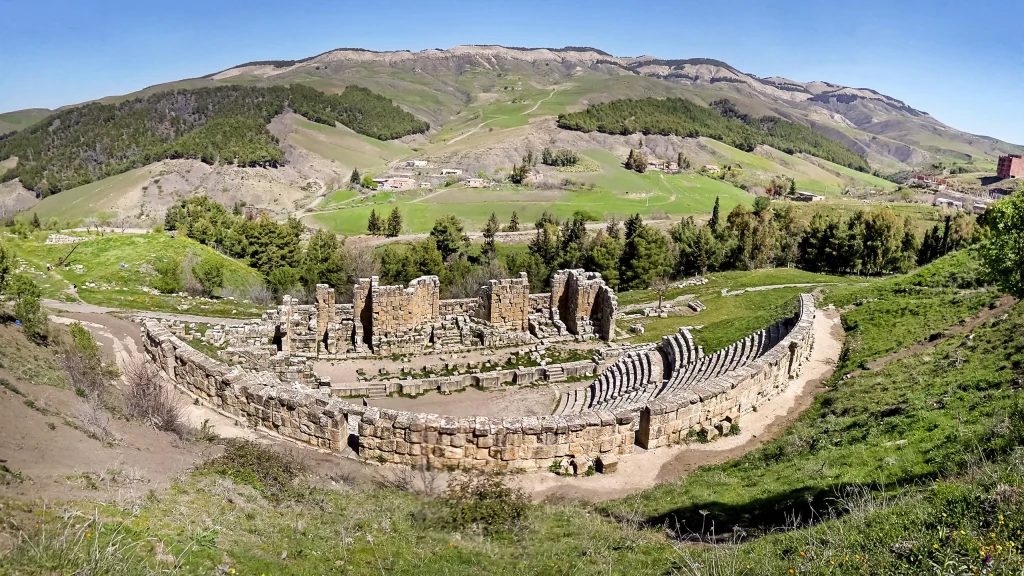
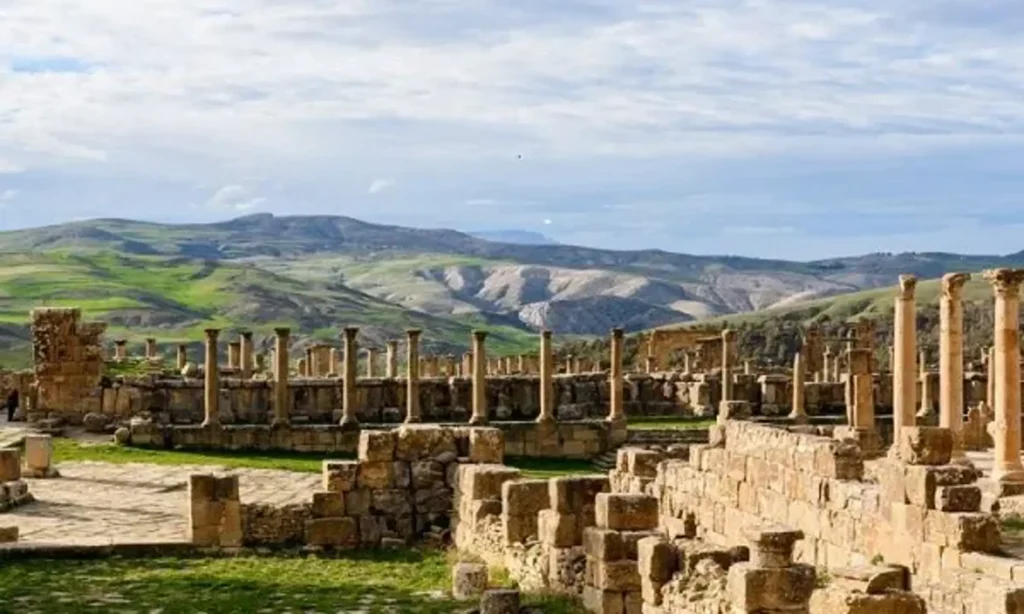
Tucked high in the mountains of Sétif, the Roman city of Djamila is one of the best-preserved archaeological sites in North Africa. Its name means beautiful in Arabic — and rightfully so. Set against rolling green hills and dramatic stone ridges, Djamila offers a breathtaking view of Roman urban planning, art, and architecture, all perfectly adapted to the mountainous terrain.
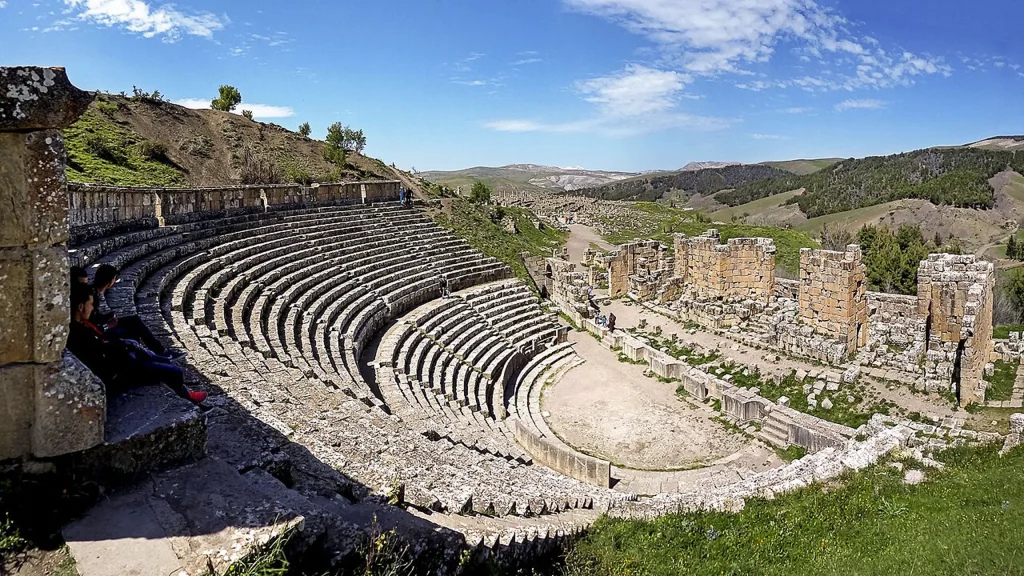
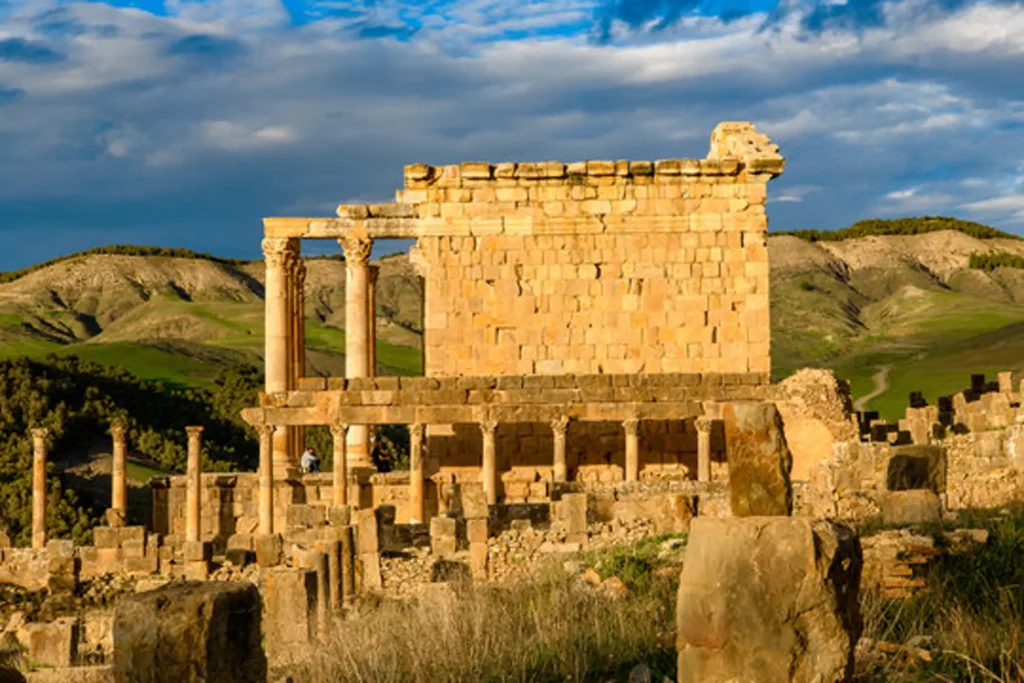
Designated a UNESCO World Heritage Site for its extraordinary preservation and cultural value, Djamila was once known as Cuicul. Founded in the 1st century AD, the city grew into a prosperous Roman colony. Today, visitors can walk its paved streets and explore remarkably intact structures, including the Forum, Triumphal Arch, Temple of Septimius Severus, and a grand theater that still gazes over the valley below.
The site is also home to a museum that houses intricately detailed mosaics unearthed from ancient villas and public buildings. These colorful artworks tell stories of mythology, daily life, and religious beliefs, offering a vivid look into the minds of a civilization long gone.
Djémila is not just an archaeological site, it is a living classroom, a place where the past whispers through every stone, inviting visitors to imagine the rhythms of life nearly two thousand years ago. Its blend of history, landscape, and silence makes it a truly unforgettable experience.
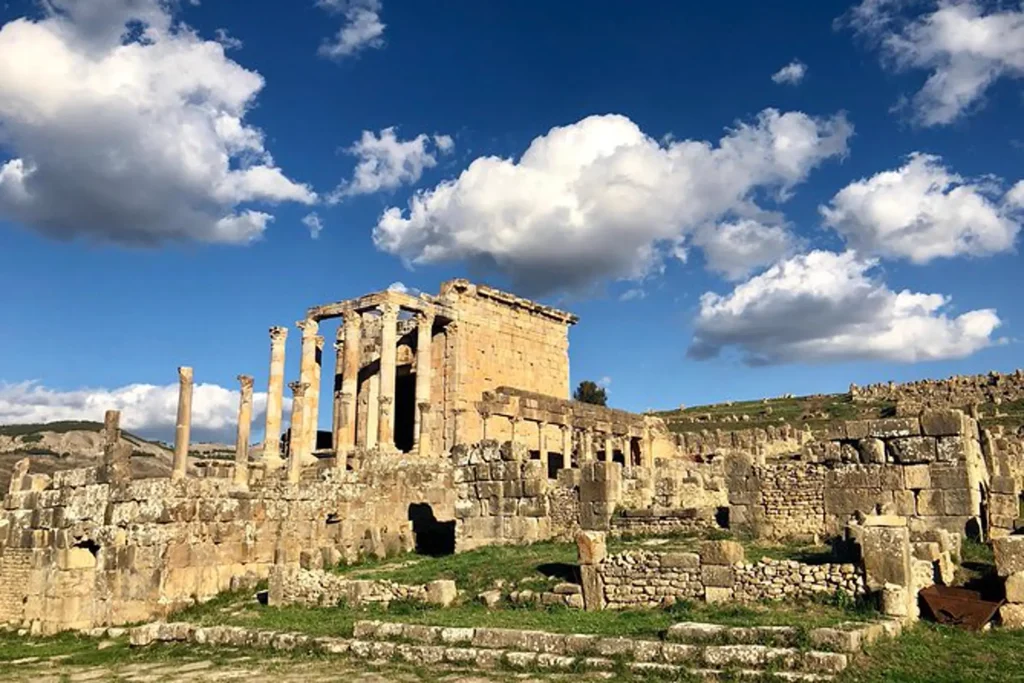
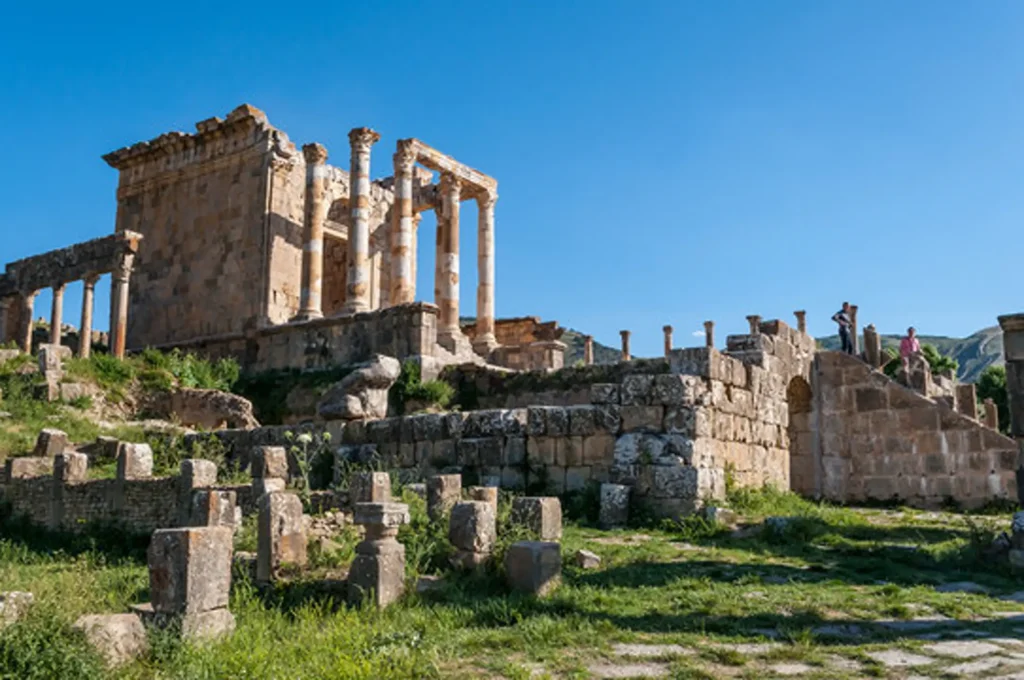
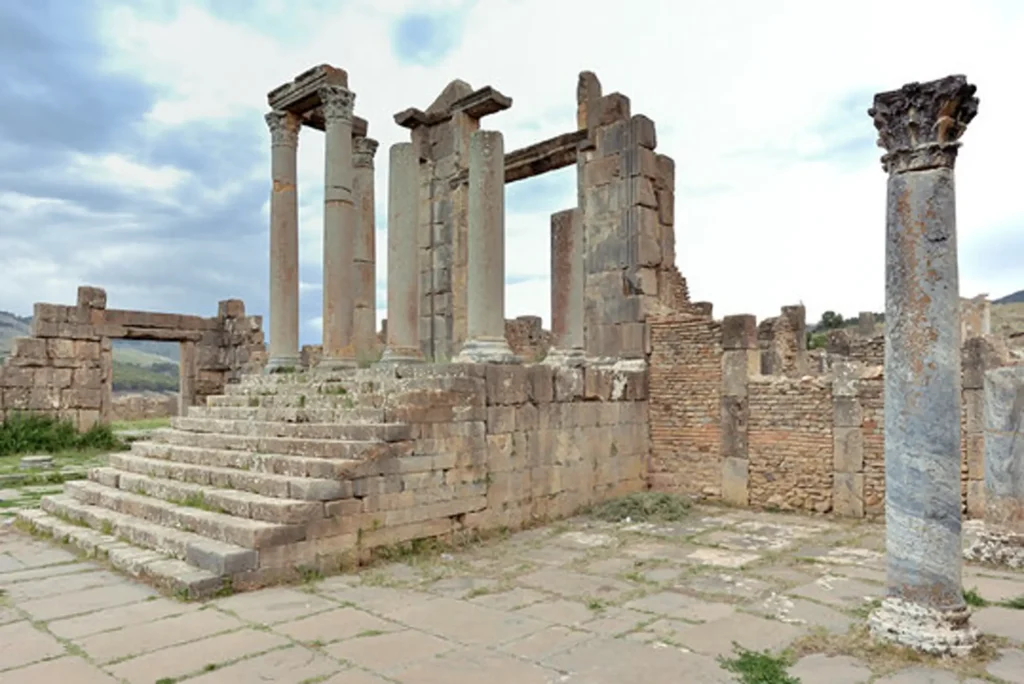
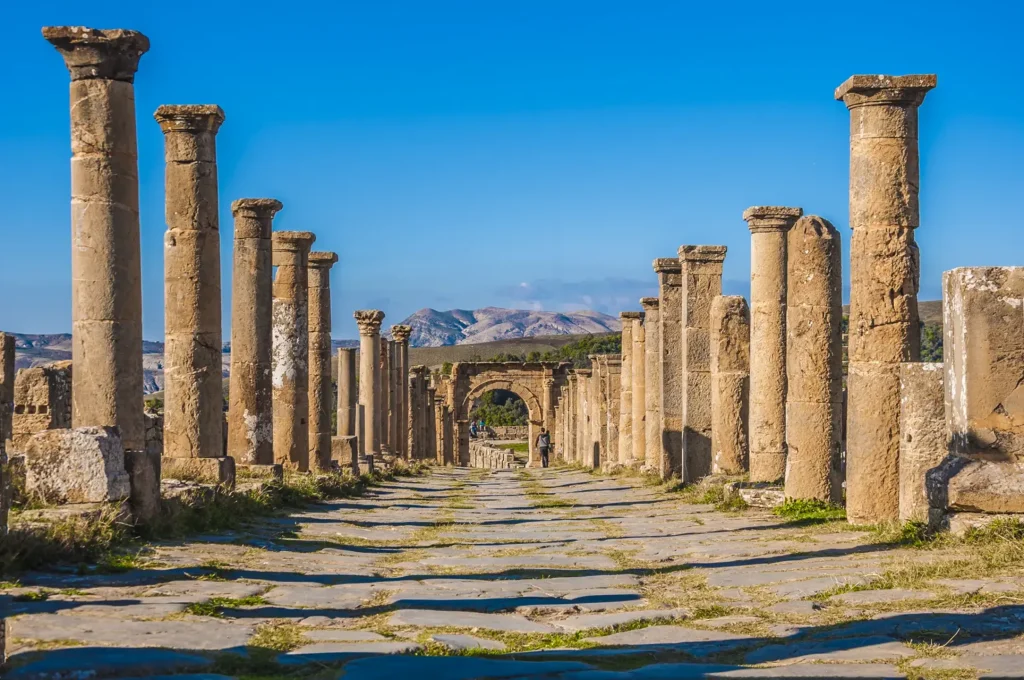
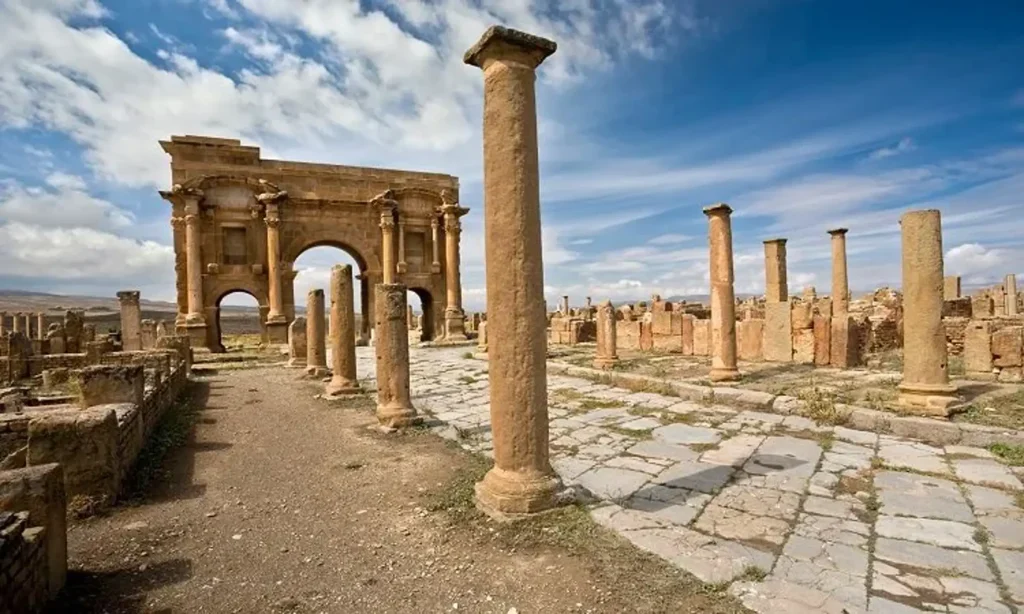
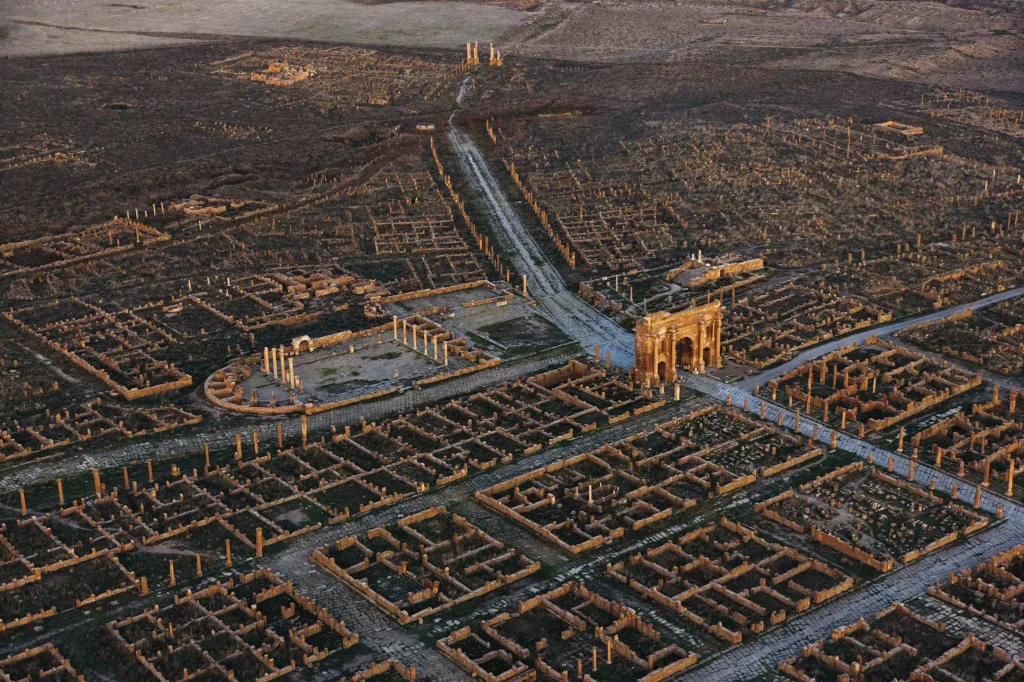
Standing on a wide plateau near Batna, the ruins of Timgad unfold like an ancient blueprint, a perfect Roman city carved into the earth with remarkable precision. Known as the “Pompeii of Africa,” Timgad is one of the most striking examples of Roman town planning, and its symmetrical grid has made it a marvel for historians, architects, and curious travelers alike.
Founded by Emperor Trajan around 100 AD as a retirement colony for Roman soldiers, Timgad was designed to showcase the power, order, and elegance of Roman civilization. Today, it remains one of the best-preserved Roman sites in the world and has been recognized as a UNESCO World Heritage Site for its outstanding universal value.
Walking through Timgad is like stepping into the pages of a Roman history book. Its wide avenues, intersecting at perfect right angles, lead visitors past an impressive triumphal arch, public baths, a library, open-air markets, and one of the most beautiful Roman theaters in North Africa, still used for performances today.
Every stone speaks of a highly organized and vibrant city life that once pulsed with trade, politics, culture, and religion. Beyond its technical brilliance, Timgad surprises visitors with its artistic beauty, from decorative mosaics to carved columns and sculptures.
Timgad is not just a ruin; it’s a testament to the vision and reach of Rome, preserved under the Algerian sun and waiting to inspire those who walk its ancient paths.
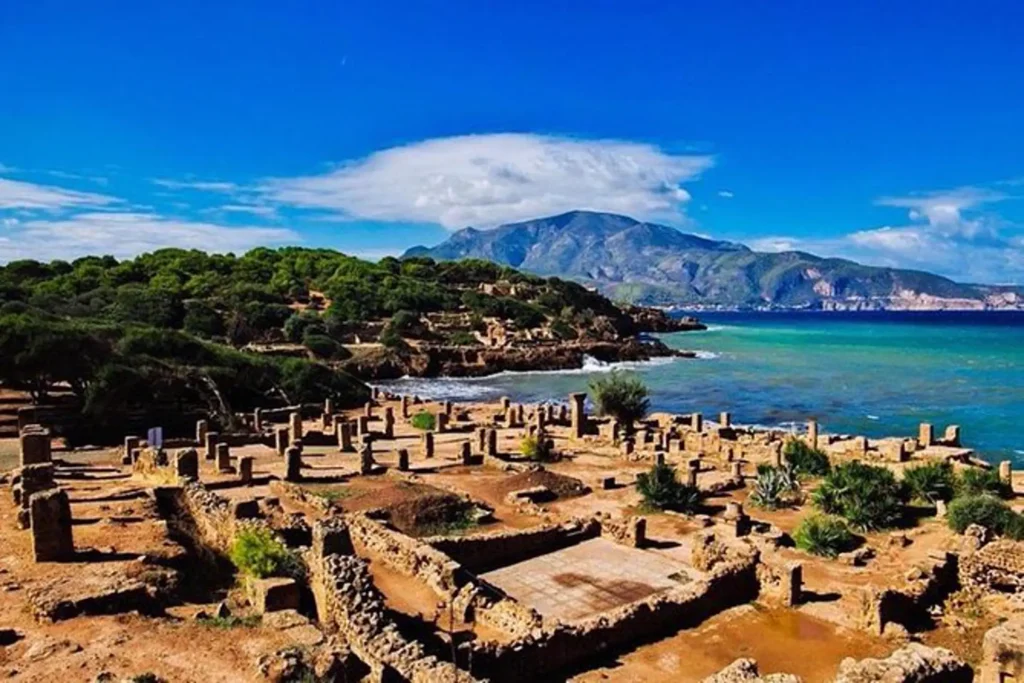
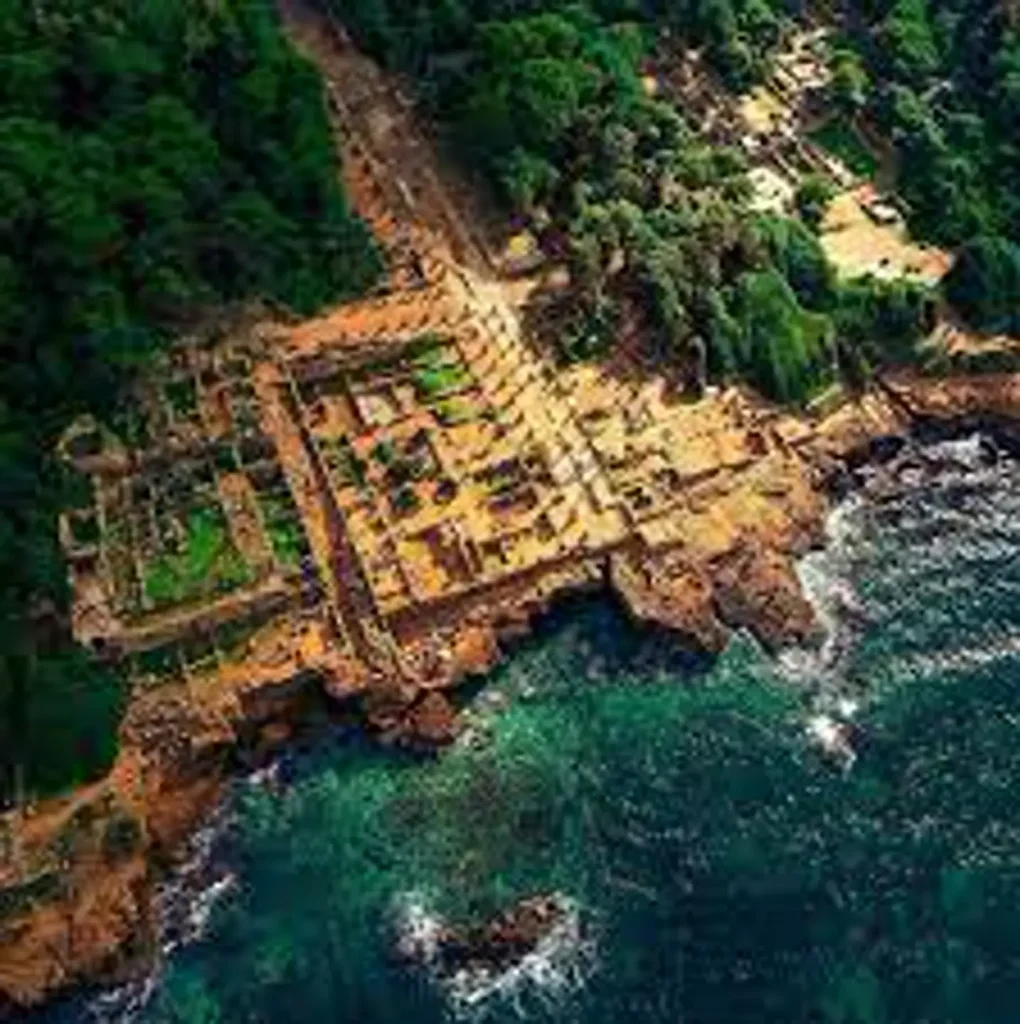
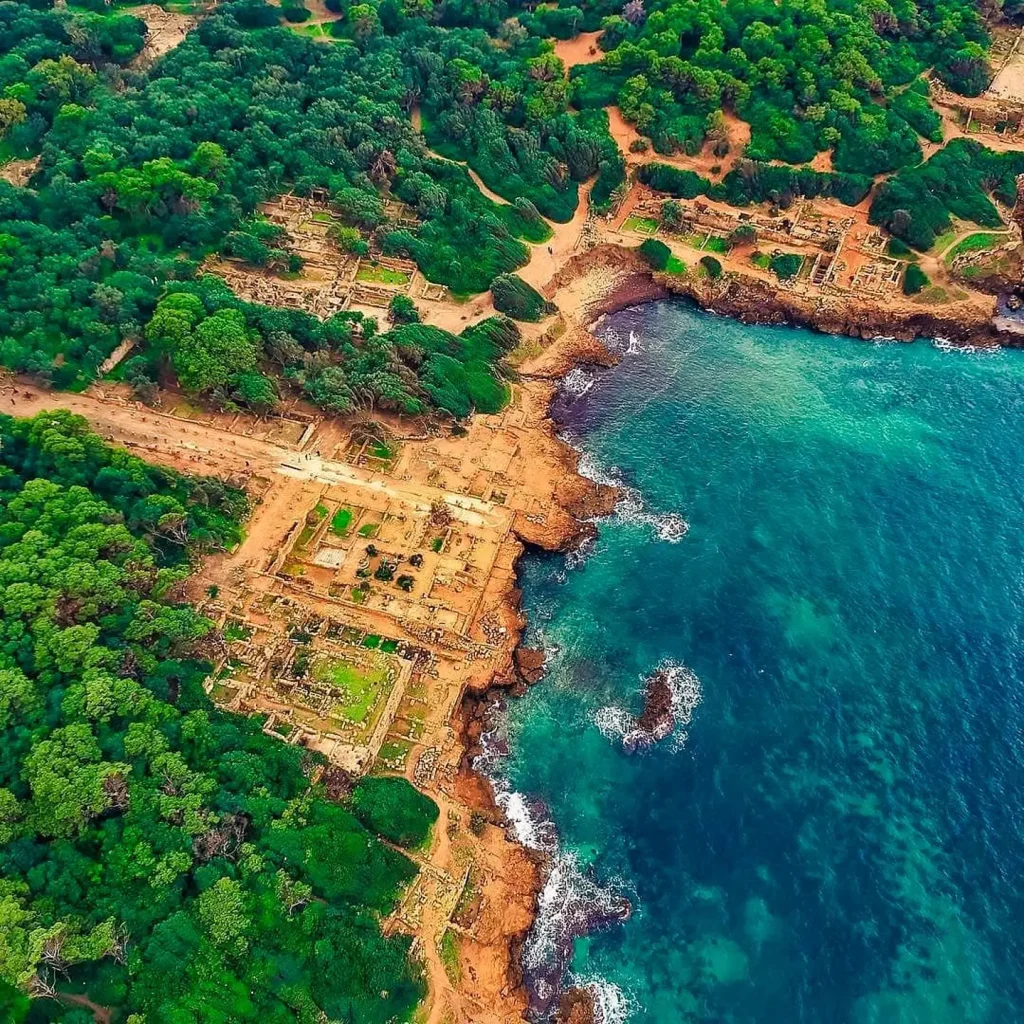
Just a short drive from Algiers, Tipaza welcomes visitors with the timeless beauty of its Roman ruins and the refreshing calm of the Mediterranean coastline. Nestled between green hills and turquoise waters, Tipaza is one of Algeria’s most enchanting coastal towns, a place where archaeology, nature, and serenity come together.
The highlight of any visit is the Tipaza archaeological site, a UNESCO World Heritage treasure. Strolling among the ruins of the Roman city, you’ll discover the remains of a theater, basilicas, baths, villas, and a forum, all peacefully resting beside the sea. With seagulls circling above and waves gently crashing nearby, it’s one of the most scenic historical sites in North Africa.
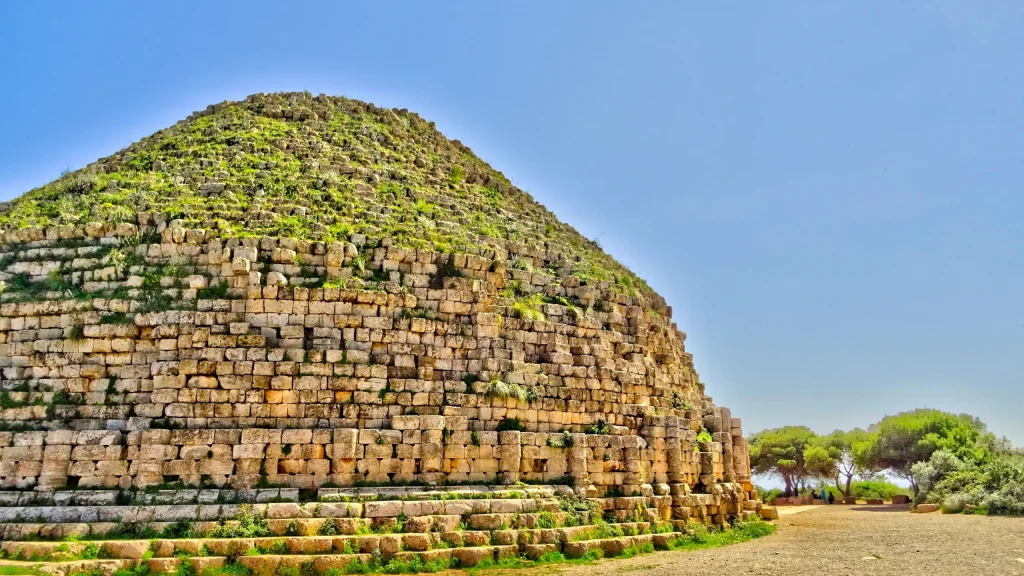
Tipaza also offers a glimpse into deeper layers of Algerian history. The nearby Royal Mausoleum of Mauretania, believed to be the resting place of Cleopatra Selene (daughter of Cleopatra and Mark Antony), reminds visitors of the pre-Roman Berber kingdoms that once thrived here.
Beyond history, Tipaza is a place to slow down and breathe. The palm-lined promenades, small fishing boats, and seaside restaurants serving fresh grilled fish and octopus create a relaxed and authentic atmosphere. It’s a favorite weekend escape for local, and it’s easy to see why.
Whether you’re fascinated by ancient civilizations, drawn to coastal charm, or simply seeking a peaceful setting, Tipaza leaves a lasting impression.
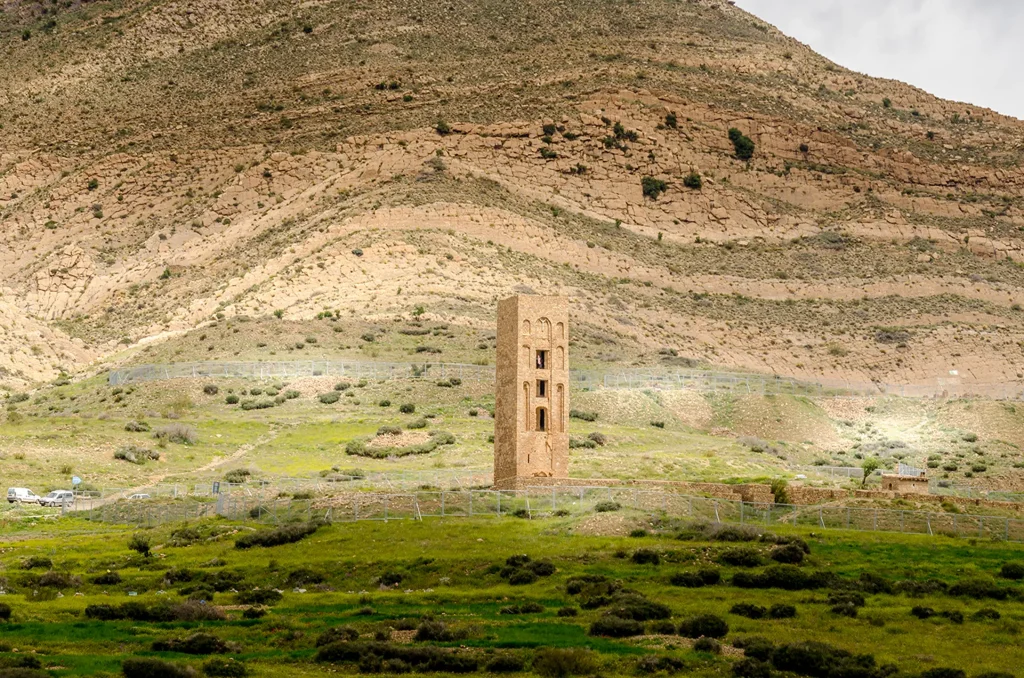
Hidden in the mountains of M’Sila, the ruins of Al Qal’a of Beni Hammad reveal the splendor of one of Algeria’s earliest Islamic capitals. Founded in 1007 by the Hammadid dynasty, this fortified city once stood as a symbol of Berber power, culture, and Islamic art. Though abandoned in the 11th century, its significance earned it a place among Algeria’s UNESCO World Heritage Sites.
Set at the foot of the Hodna Mountains, the site rests at over 1,000 meters above sea level, offering both historical richness and dramatic natural scenery. Al Qal’a was not just a military stronghold, but a thriving cultural and political center, complete with palaces, mosques, gardens, and merchant quarters.
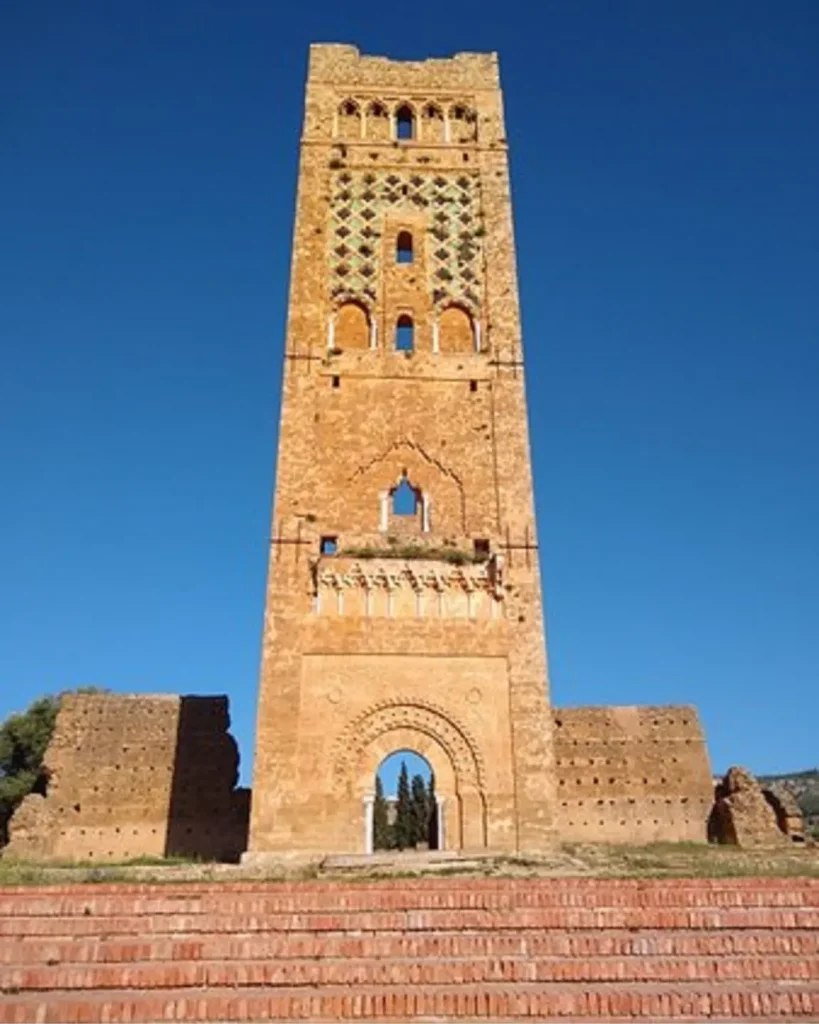
The most impressive structure still standing is the Grand Mosque, which once featured one of the tallest minarets in North Africa. Its layout and decorative elements reflect early North African Islamic architecture, showing the influence of both local and eastern styles. Nearby are the ruins of the Emir’s Palace, a vast complex of courtyards, fountains, and columns that hint at the sophistication and wealth of the Hammadid rulers.
Visiting Al Qal’a is like opening a hidden chapter of Algerian history, one that predates even the great cities of Algiers and Tlemcen. Its remote location, peaceful atmosphere, and deep historical roots make it a destination for reflection and admiration, far from the noise of modern life.

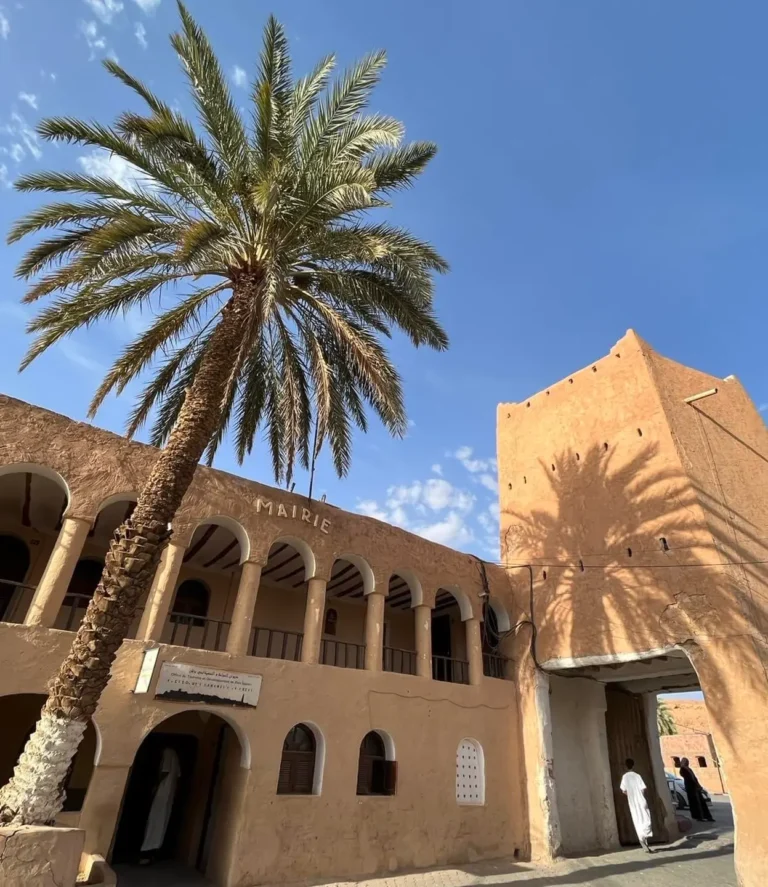

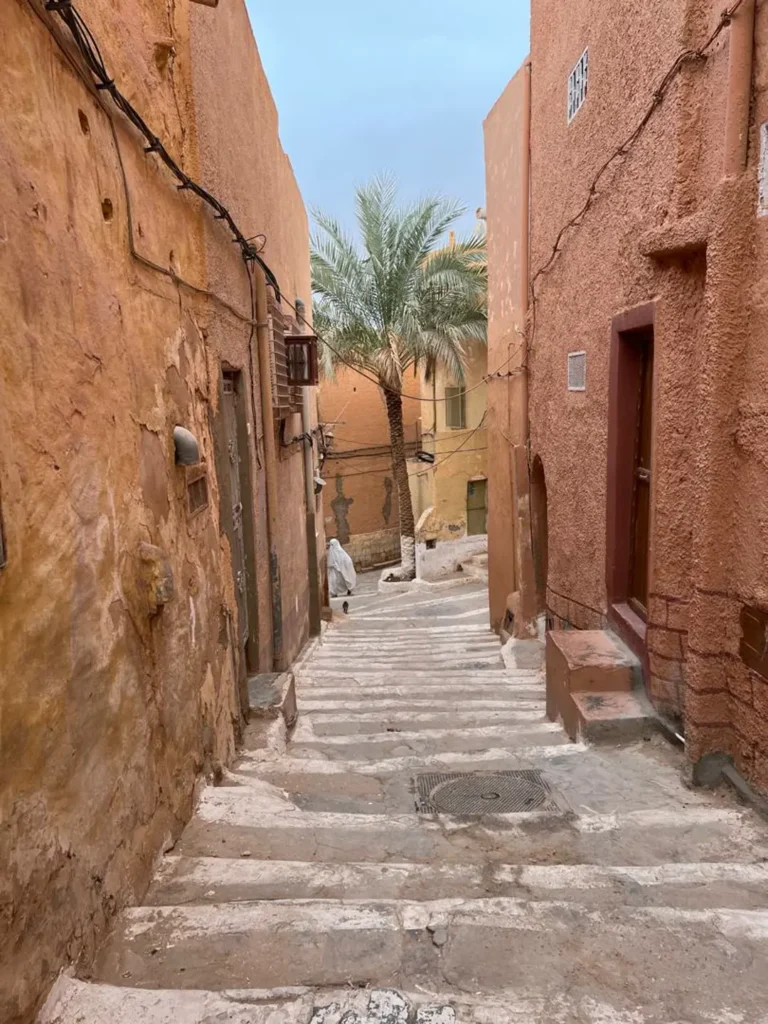

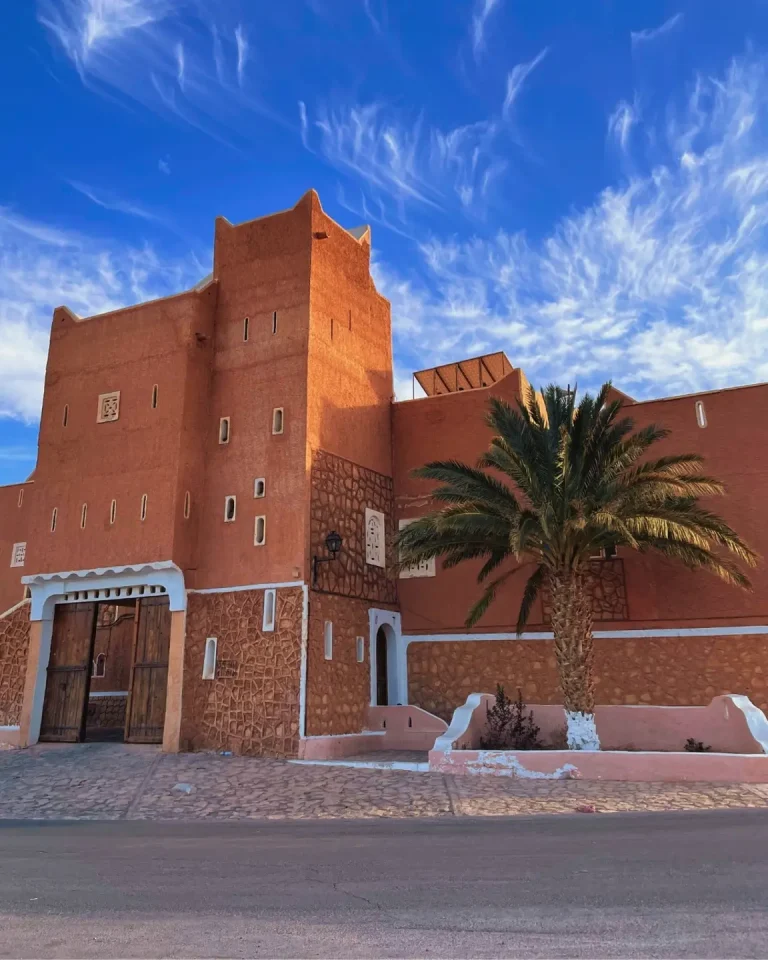
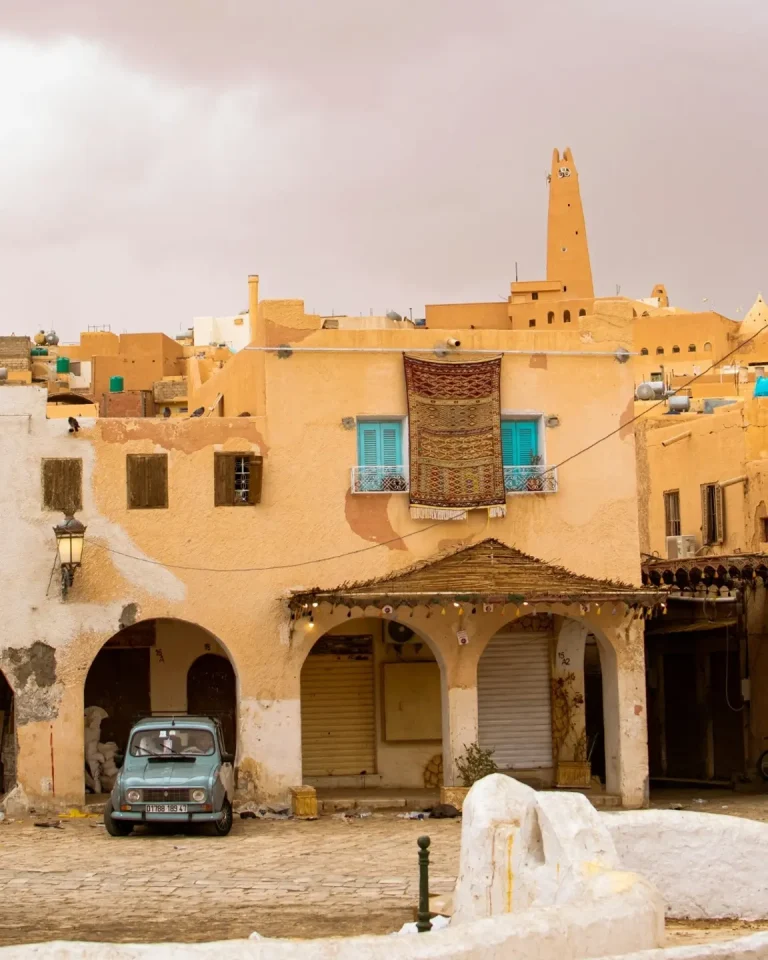
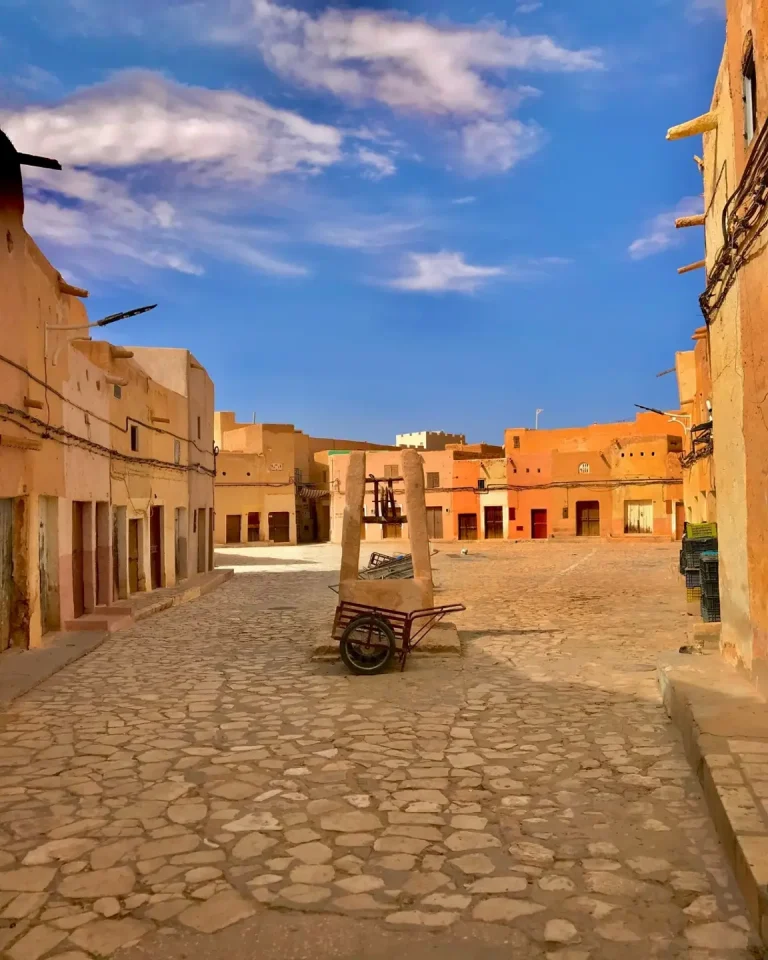
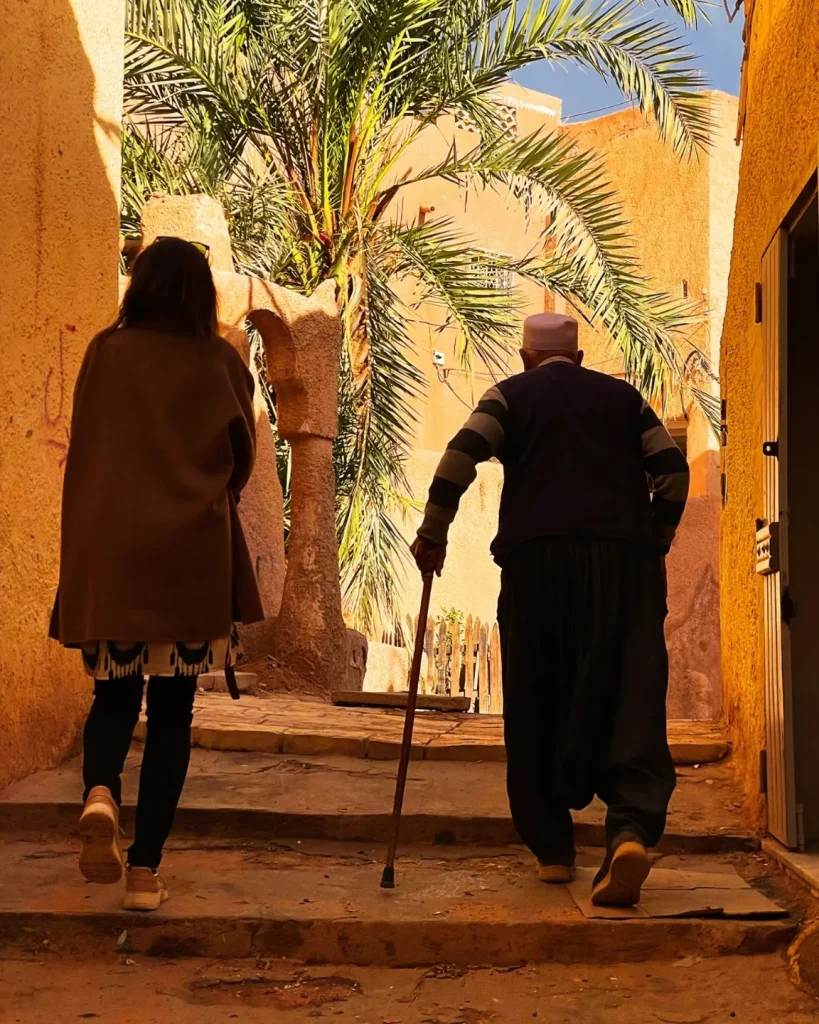
Deep in the heart of the Algerian Sahara lies the M’Zab Valley, a place where architecture, spirituality, and tradition have coexisted in perfect balance for nearly a thousand years. Recognized by UNESCO for its unique urban planning and cultural significance, this valley is home to a network of five fortified cities, known as the Pentapolis, founded by the Mozabite Ibadis in the 11th century.
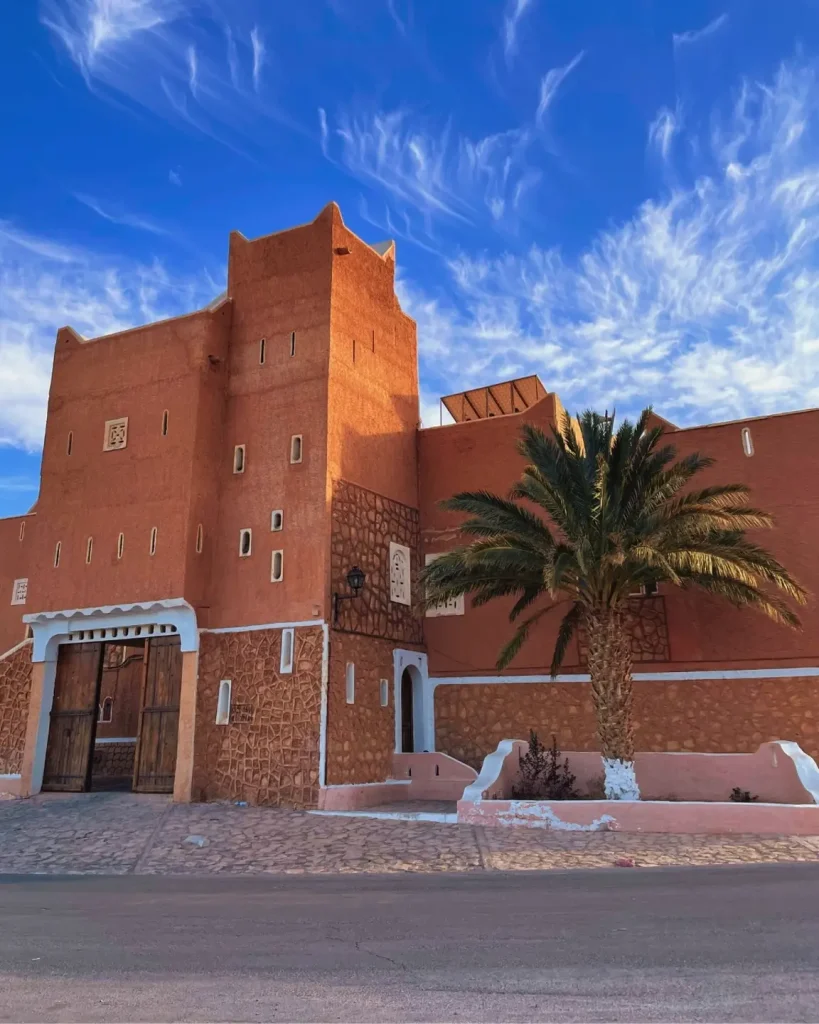
Each city, Tagherdait, AT-isjen, At-mlichet, At-bonor, and Tajnint, was designed to be self-sufficient, defensive, and centered around a mosque and minaret that doubles as a watchtower. Built on rocky outcrops and surrounded by palm groves and stone walls, these towns reflect a deep respect for the desert environment, using natural materials and smart design to survive the harsh climate.
Ghardaïa, the main city, is a living example of this brilliance. Its cascading white houses, narrow streets, and marketplaces feel untouched by time. The Sidi Brahim Mosque, perched at the highest point, watches over the town and its people with grace and symbolism.
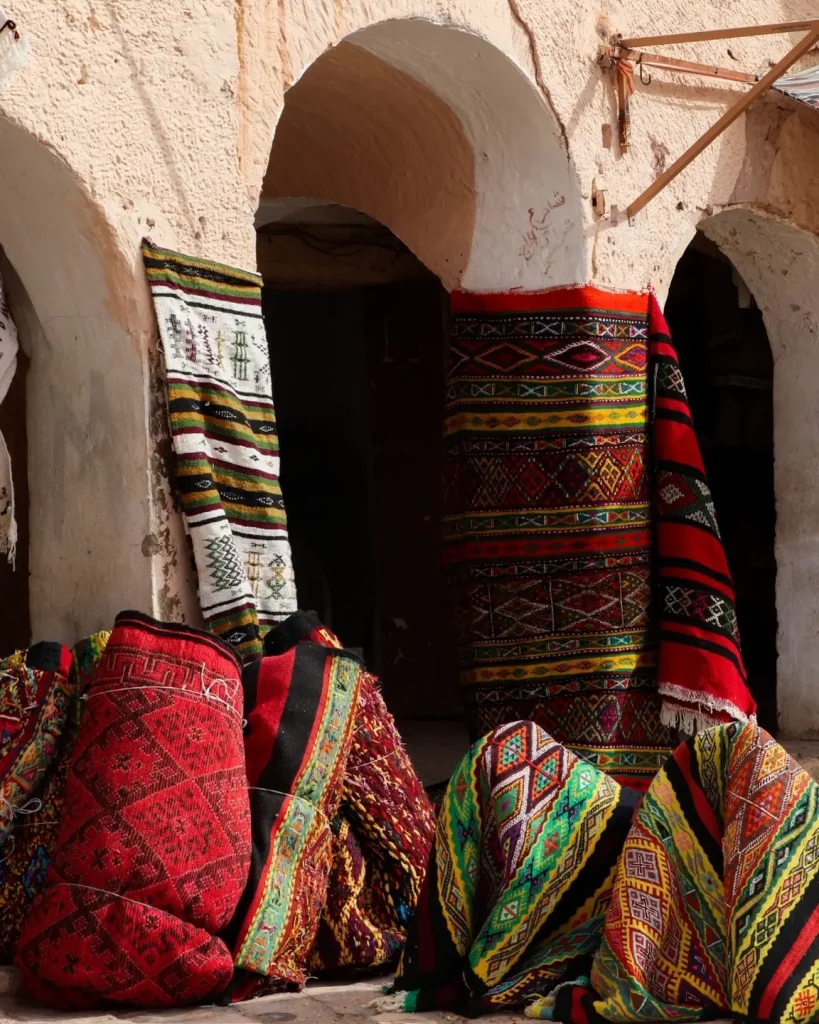
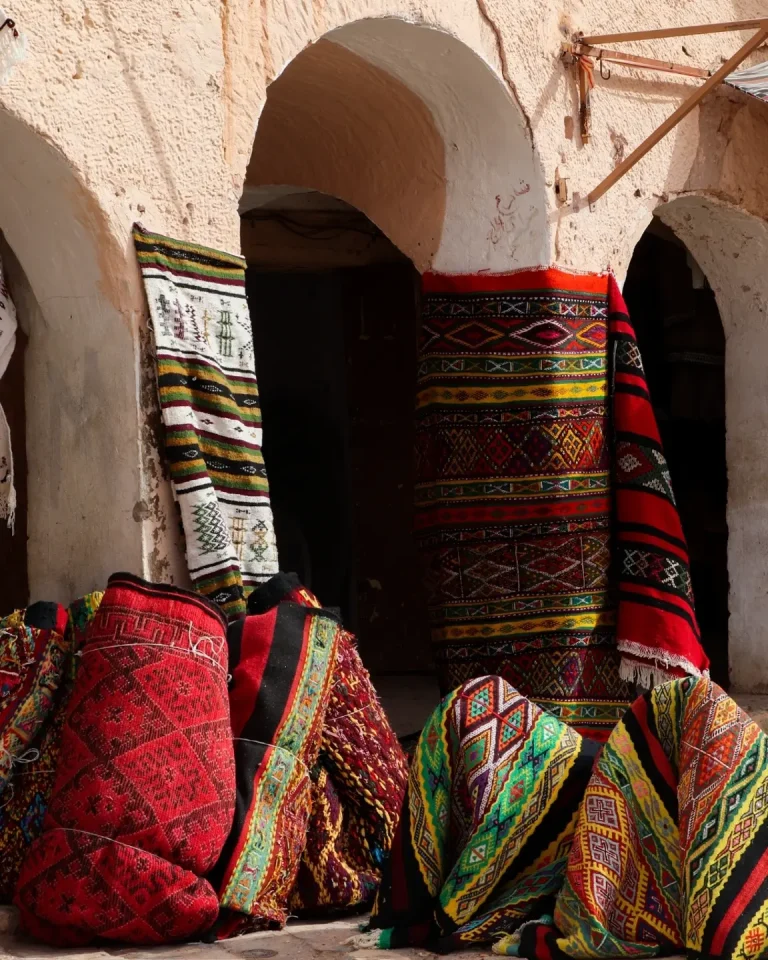
Beyond its architecture, the M’Zab Valley is a place of strong community values. Life here follows ancient traditions, and visitors often remark on the sense of peace and purpose that flows through its streets. The Mozabite people have preserved not only their buildings but also their culture, dress, and way of life, making this valley one of Algeria’s most culturally intact regions.
To visit the M’Zab Valley is to witness a rare achievement, a human settlement that has remained sustainable, spiritual, and functional for over a millennium.
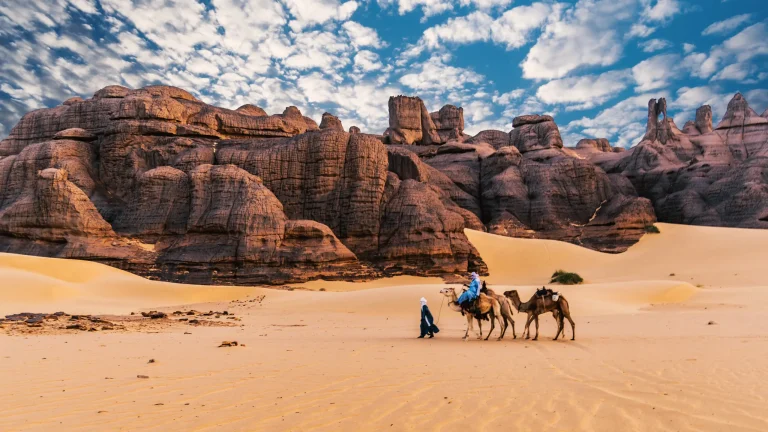


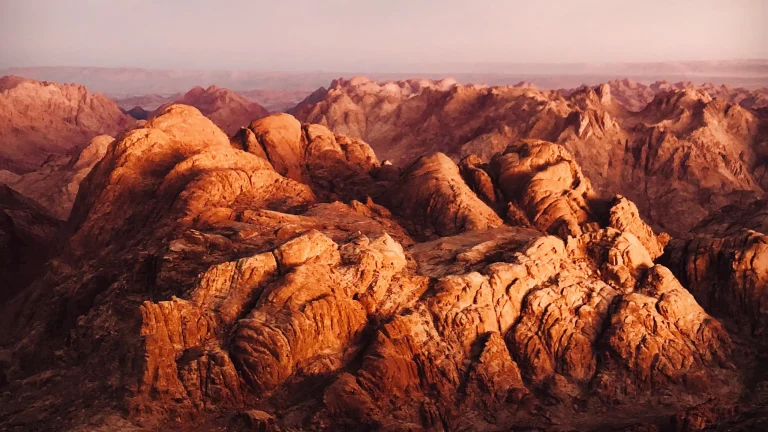
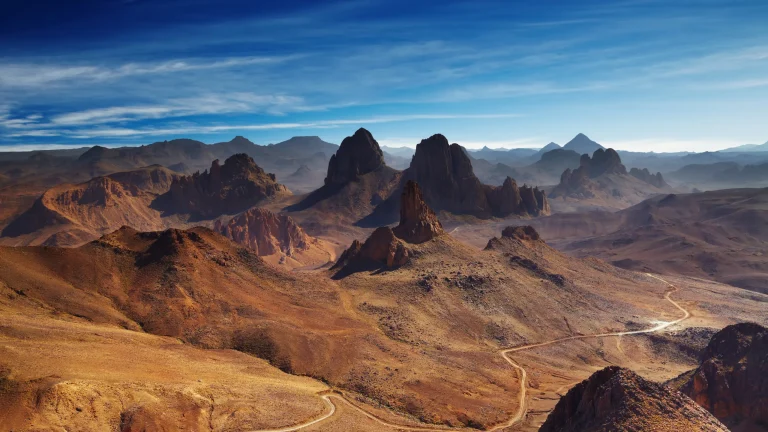
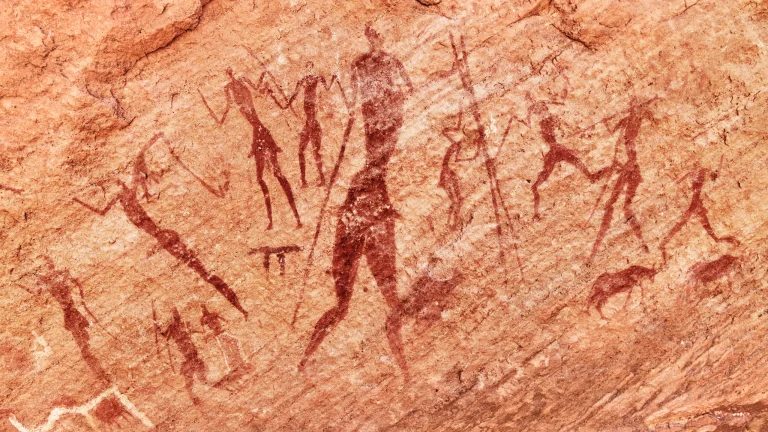
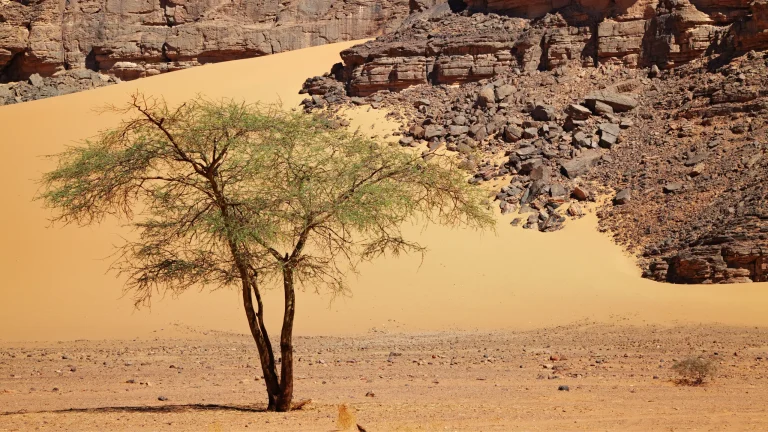
Far in the southeast of Algeria, near the town of Djanet, lies one of the most extraordinary landscapes on Earth: Tassili n’Ajjer. This vast plateau of stone, stretching across the Sahara, is more than just a natural wonder, it’s a canvas of human history, home to over 15,000 prehistoric rock engravings and paintings, some dating back as far as 10,000 years.
Designated a UNESCO World Heritage Site for both its geological beauty and archaeological importance, Tassili n’Ajjer tells the story of a time when the Sahara was a green, thriving land filled with rivers, wildlife, and human life. The ancient rock art depicts elephants, giraffes, cattle, hunters, dancers, and even mysterious human-like figures, offering a glimpse into prehistoric life, beliefs, and the gradual desertification of the region.
But Tassili is more than a historical site. Its otherworldly rock formations, shaped by wind and time, create towering arches, narrow canyons, and natural sculptures that captivate the imagination. Many travelers describe the landscape as dreamlike, a place where silence and scale awaken something ancient in the soul.
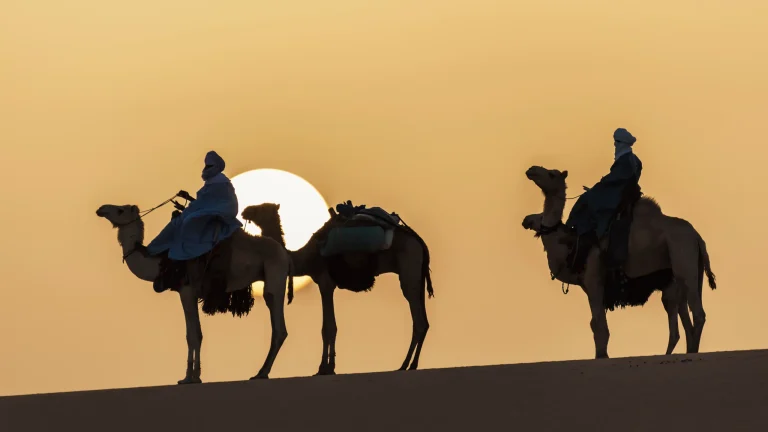
The area is also part of the Hoggar mountain chain and is protected as a national park. Access usually requires a guided trek or camel caravan, making the journey itself part of the experience. The Tuareg communities who call this land home offer rich cultural encounters, deep hospitality, and a connection to the rhythms of the desert.
Tassili n’Ajjer is not just a destination; it is a living link between Earth, art, and time, making it one of the most unforgettable places not only in Algeria, but in the entire world.