

This immersive tour includes seven unforgettable stops, beginning in the oasis town of Djanet and guiding you through the legendary sites of Tegharghert, Tinamali, El Berdj, Moul n’Aga, Tin Marzouga, and Tissetteka. Each location reveals a different face of the desert, from towering dunes to prehistoric art galleries carved in stone, offering a deeper understanding of both the Sahara’s past and its living present.
Led by local guides and steeped in Tuareg hospitality, the Tadrart Rouge experience offers more than sightseeing. It’s a personal encounter with silence, space, and wonder. Whether you’re sitting by a campfire under the stars, walking between ancient cliffs, or tracing the shapes of rock art with your fingertips, this is a place that leaves a mark on the soul.
For those who seek beauty, history, and the thrill of the unknown, Tadrart Rouge is waiting.
Nestled at the edge of the towering Tassili n’Ajjer plateau, Djanet is the beating heart of southeastern Algeria and the perfect starting point for an adventure through the Tadrart Rouge. This oasis town, surrounded by black volcanic mountains and golden dunes, offers a captivating blend of Tuareg culture, Saharan landscapes, and ancient heritage.
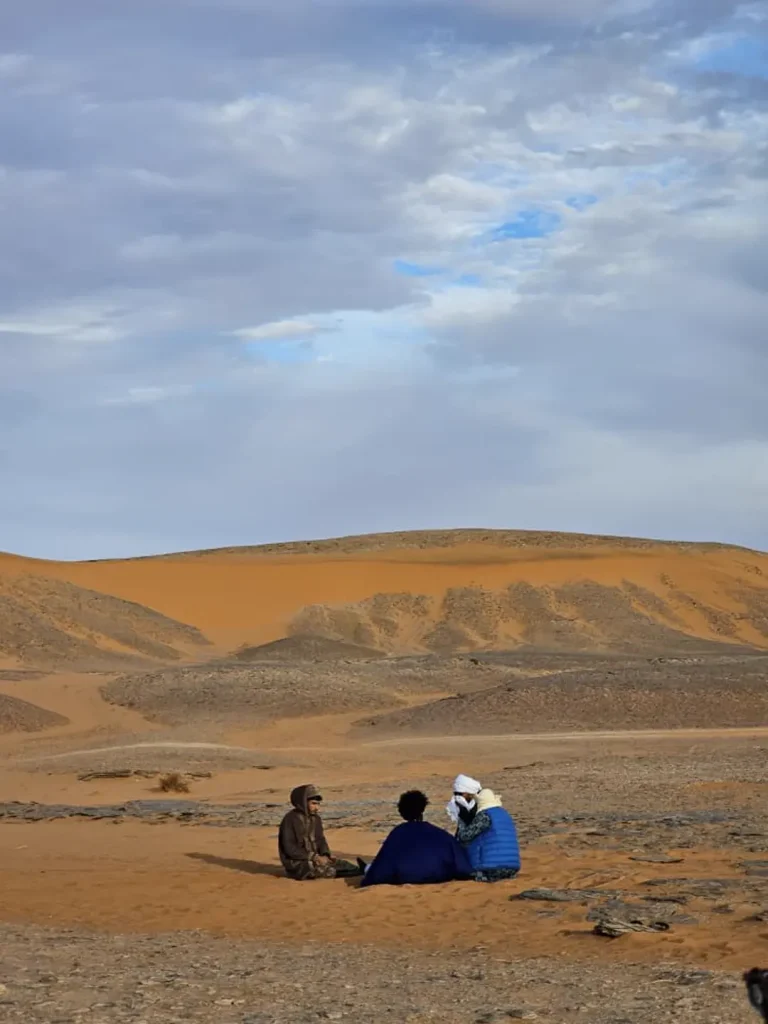
Life in Djanet moves with a peaceful rhythm. Narrow streets wind through traditional mud-brick homes, palm trees line the dry wadi, and locals dressed in blue turbans and robes greet visitors with quiet warmth. The town’s weekly market is a lively showcase of desert life, where spices, dates, handmade crafts, and camel gear reflect the region’s deep-rooted traditions.
Djanet is also a spiritual and cultural anchor. It hosts Tuareg music and dance, storytelling under the stars, and ceremonies that connect the people to the land. The surrounding area is dotted with rock paintings and carvings, many hidden in the canyons and cliffs just beyond the town.
For travelers, Djanet is not just a place to pass through, it is a destination where the desert’s soul first reveals itself, inviting you to slow down, look closely, and feel deeply before heading deeper into the wilderness of Tadrart Rouge.
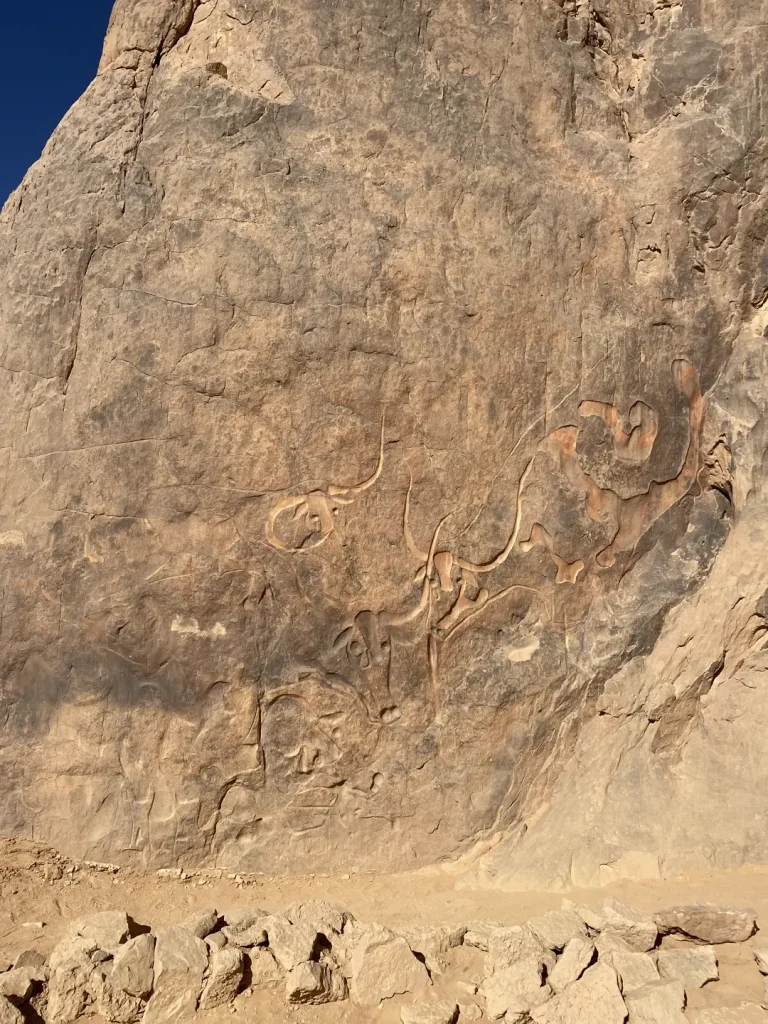
Tucked within the towering rock formations of the Tadrart region lies Tegharghert, one of the most iconic prehistoric art sites in the entire Sahara. Its name may be unfamiliar, but its most famous image, the “Crying Cow”, is known by archaeologists and desert travelers around the world. This rock engraving, estimated to be over 7,000 years old, depicts a cow shedding human-like tears, a symbol of deep emotion, mystery, and the lost green era of the Sahara.
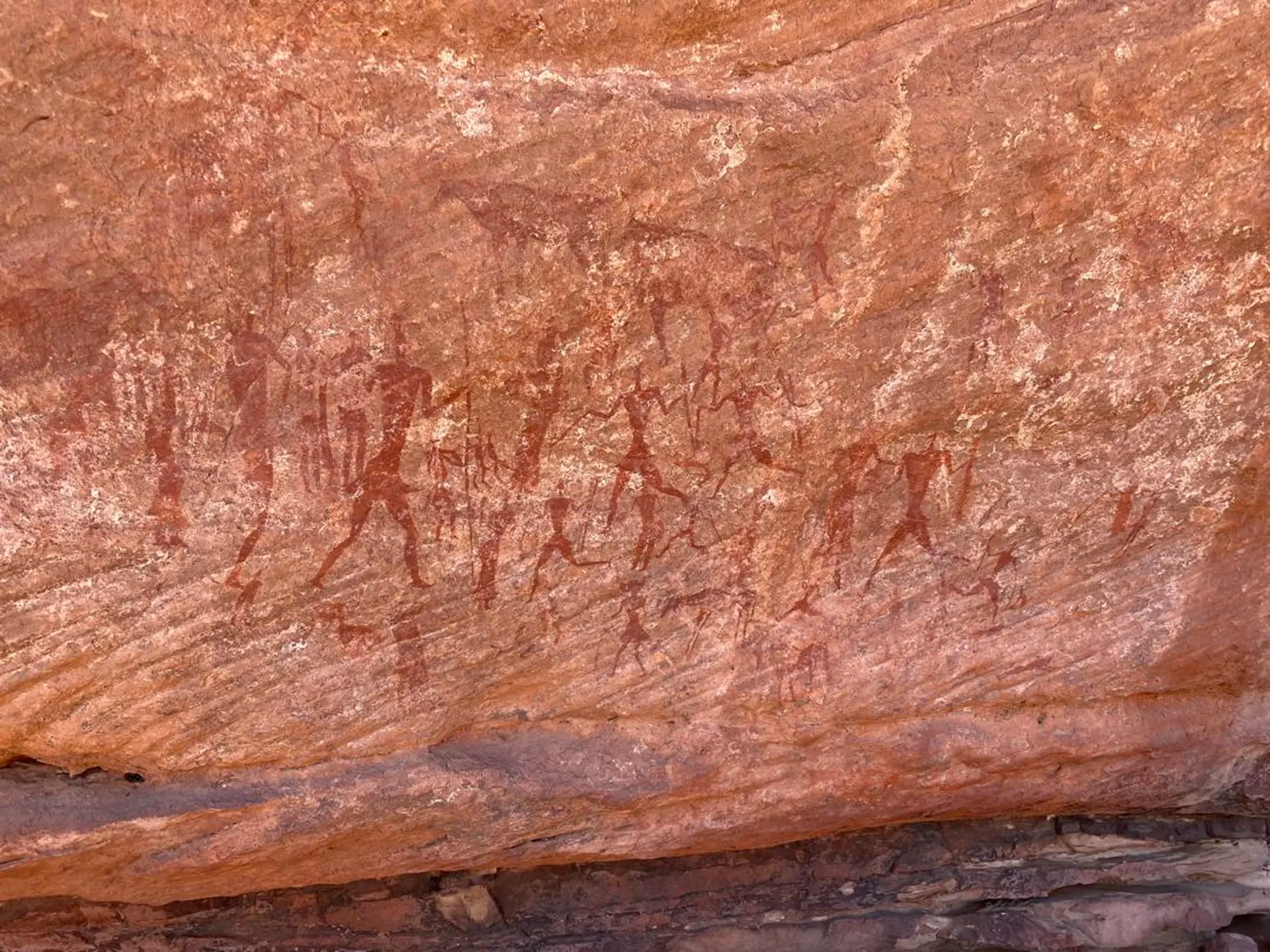
Tegharghert is not just one carving. The site is surrounded by walls of petroglyphs and paintings, offering a powerful window into a time when this desert was once a lush savannah. Scenes of elephants, giraffes, hunters, cattle, and ceremonial dances reveal a way of life completely different from what we see today, and yet beautifully preserved by the dry air and isolation of the region.
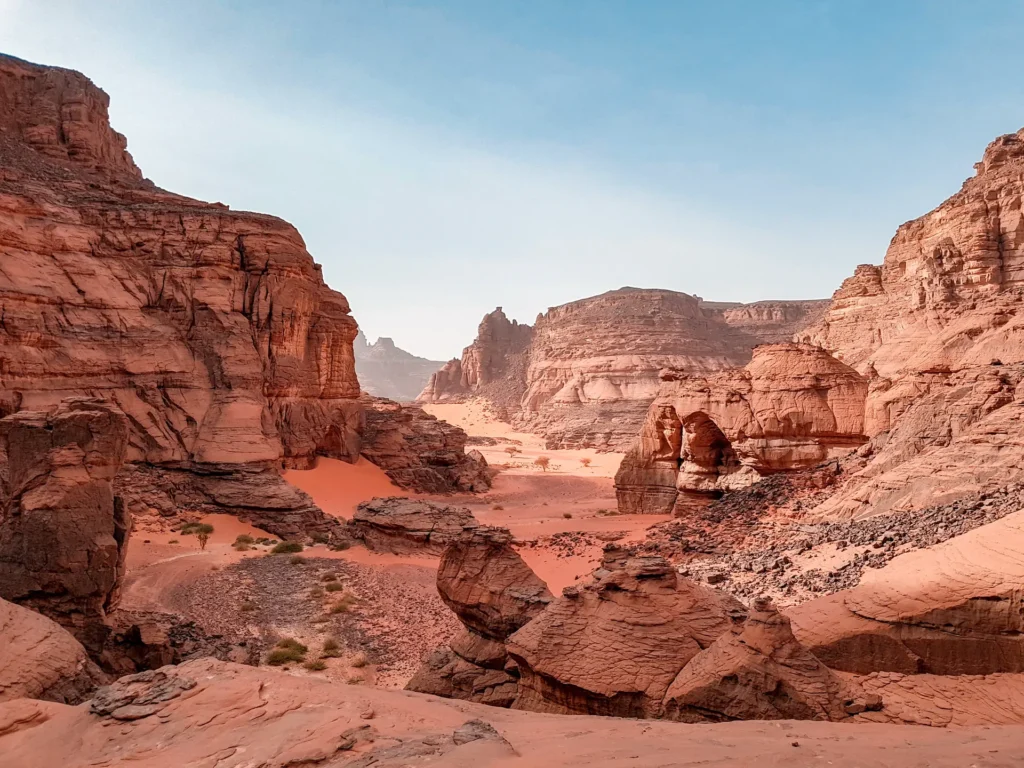
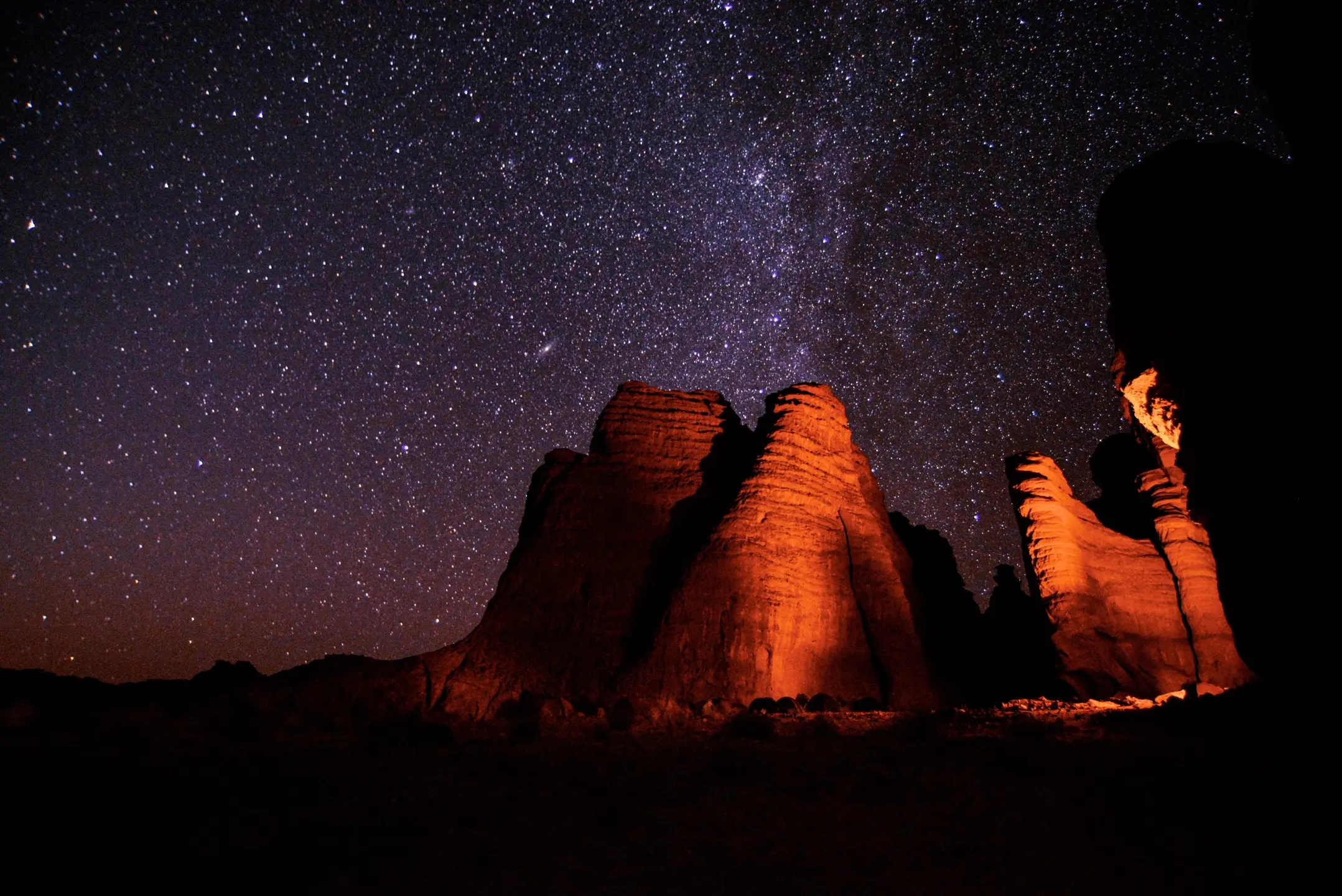
Beyond the artwork, the landscape of Tegharghert is striking. Eroded sandstone cliffs form natural shelters and open-air galleries. The quiet here is overwhelming, broken only by the wind brushing over the rocks. As the sun moves across the sky, the colors shift from gold to red to deep purple, casting the carvings in ever-changing light.
Tegharghert is a spiritual and artistic treasure, not just for Algeria, but for humanity. It connects us to our distant ancestors, and to the powerful emotions they felt as their world slowly turned to sand.
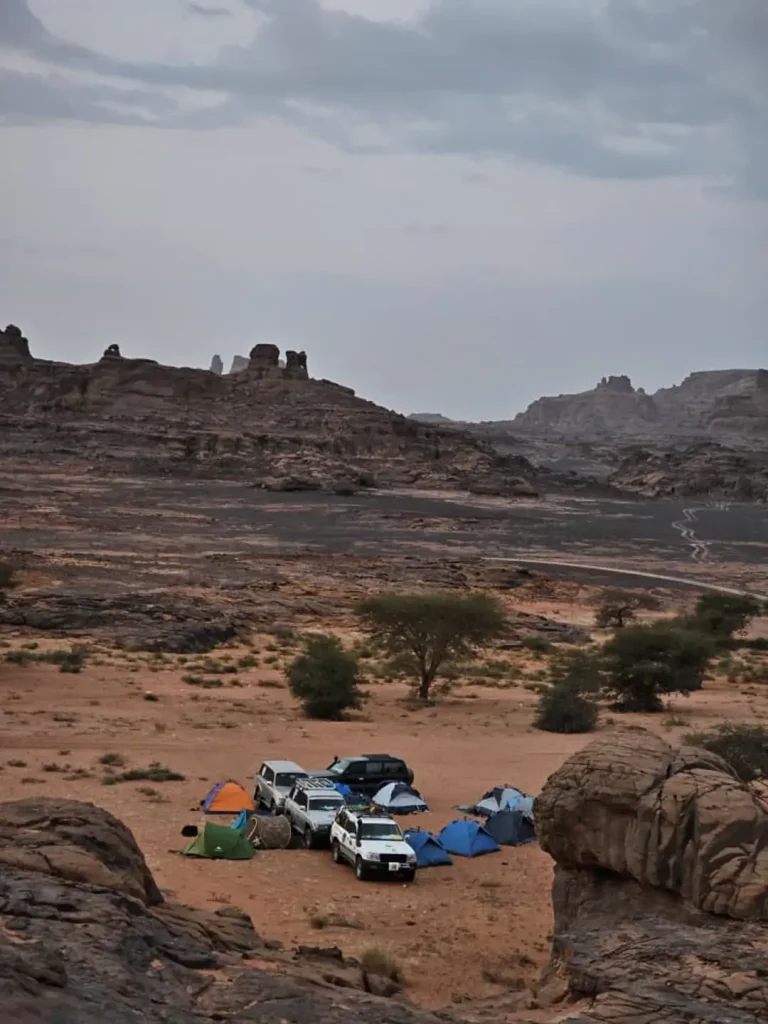
As you travel deeper into the heart of Tadrart Rouge, you arrive at Tinamali, a region that feels like stepping into a forgotten world. Surrounded by towering cliffs, wind-carved arches, and deep canyons, Tinamali stands as a natural fortress, shaped by time, wind, and silence.
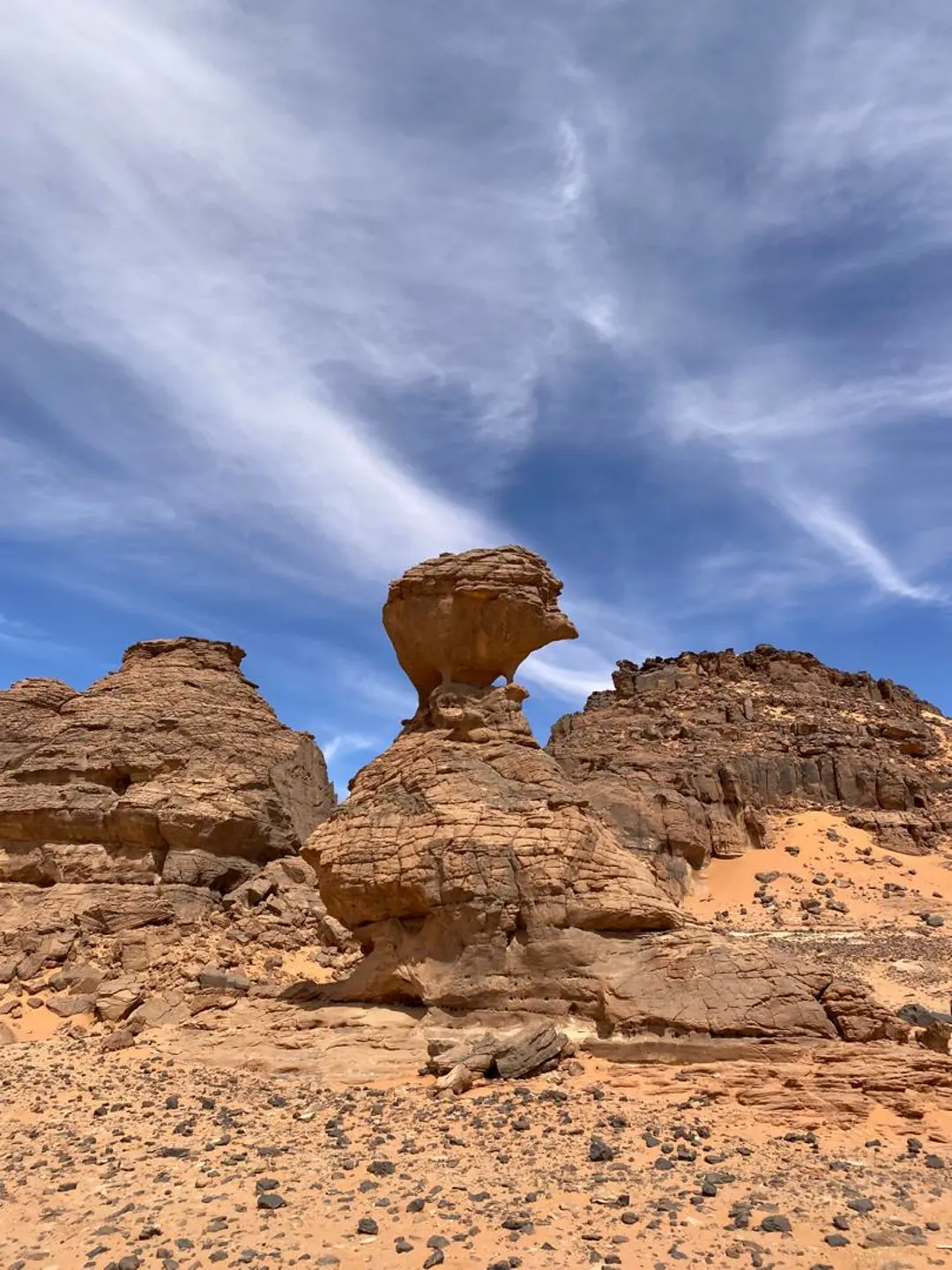
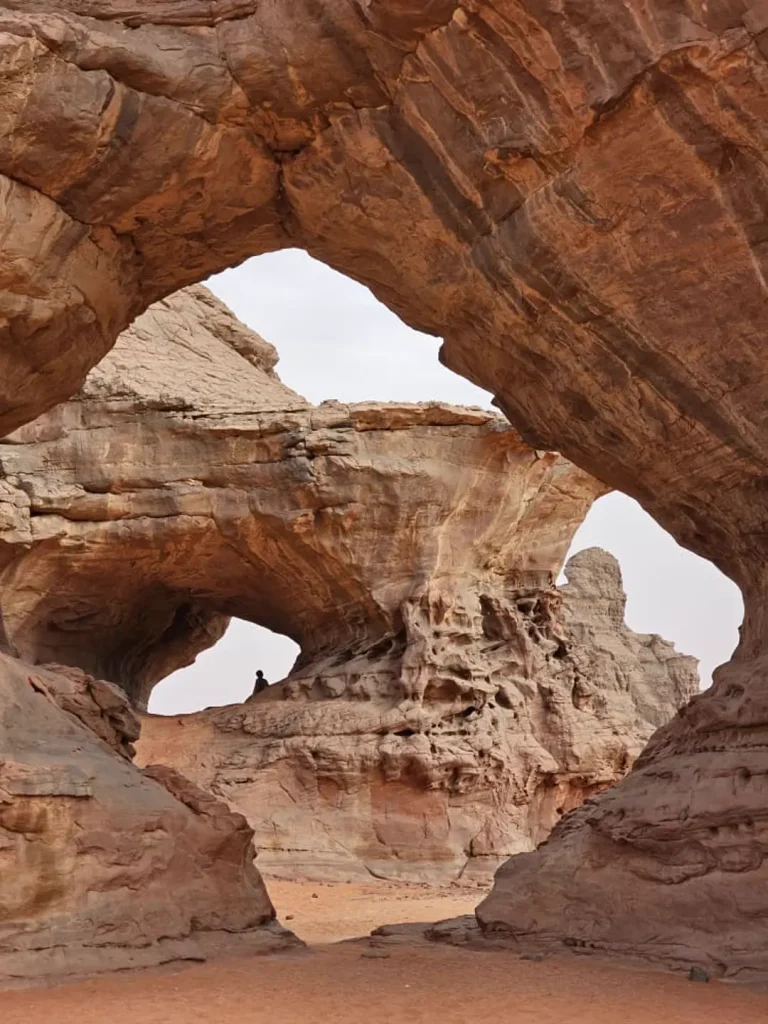
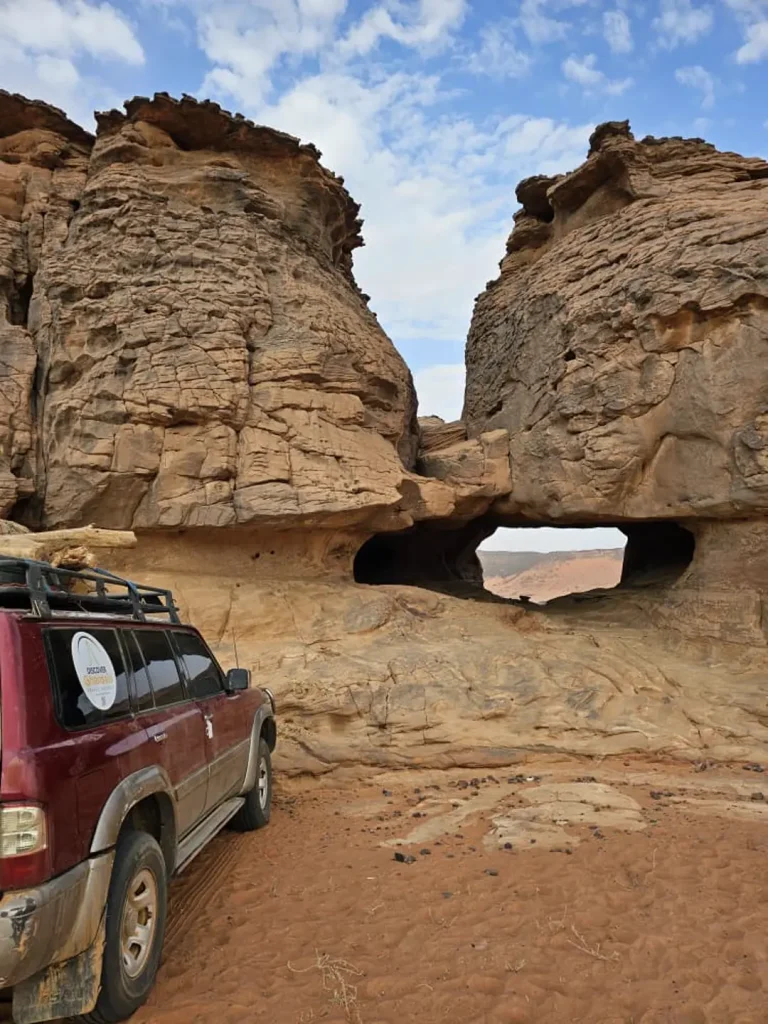
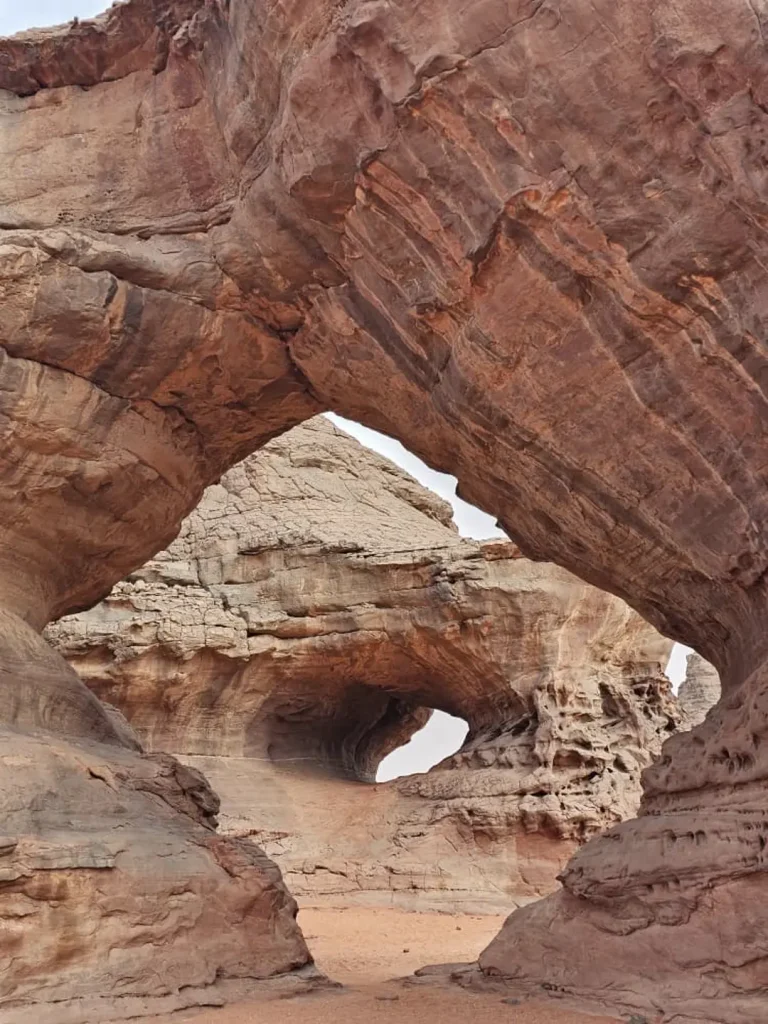
Unlike Tegharghert with its vivid rock art, Tinamali impresses through its raw geological grandeur. Here, the desert unveils its strength, forming walls of rock that rise like castles above vast sandy basins. Walking through Tinamali feels like being inside a cathedral built by nature, where every turn reveals a new shape — a sleeping lion, a giant gate, a tilted tower. These formations are not just beautiful — they stir the imagination.
But Tinamali also holds traces of life. In its hidden corners, you may discover small shelters with ancient rock paintings and carvings. These discreet signs remind visitors that this landscape was once alive with people who knew its secrets and passed through its shadowed valleys.
Tinamali is a place of isolation, beauty, and reflection. It invites travelers to pause, breathe, and let the desert’s silence speak. In this stillness, many feel a deeper connection to nature — and to themselves.

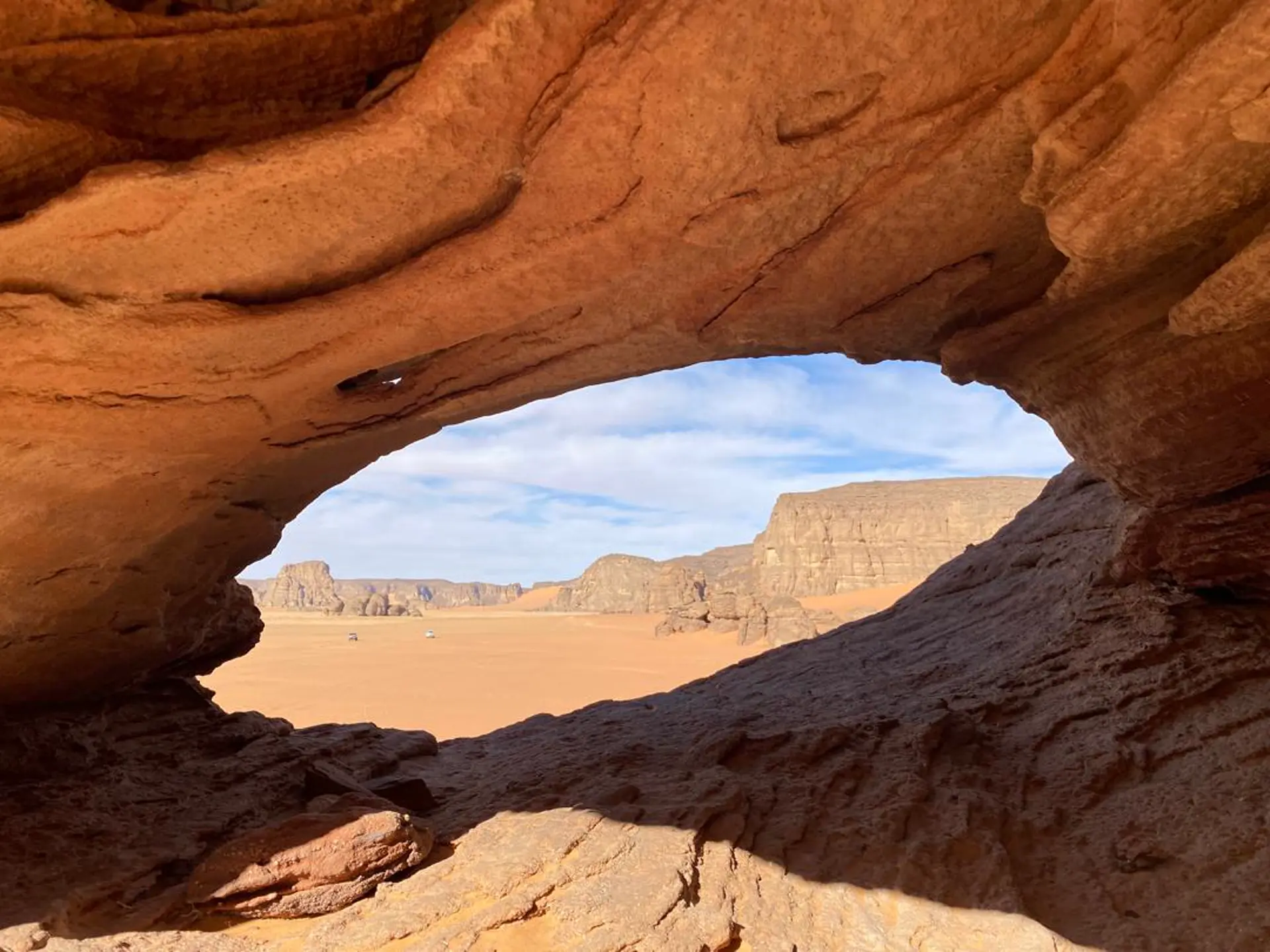
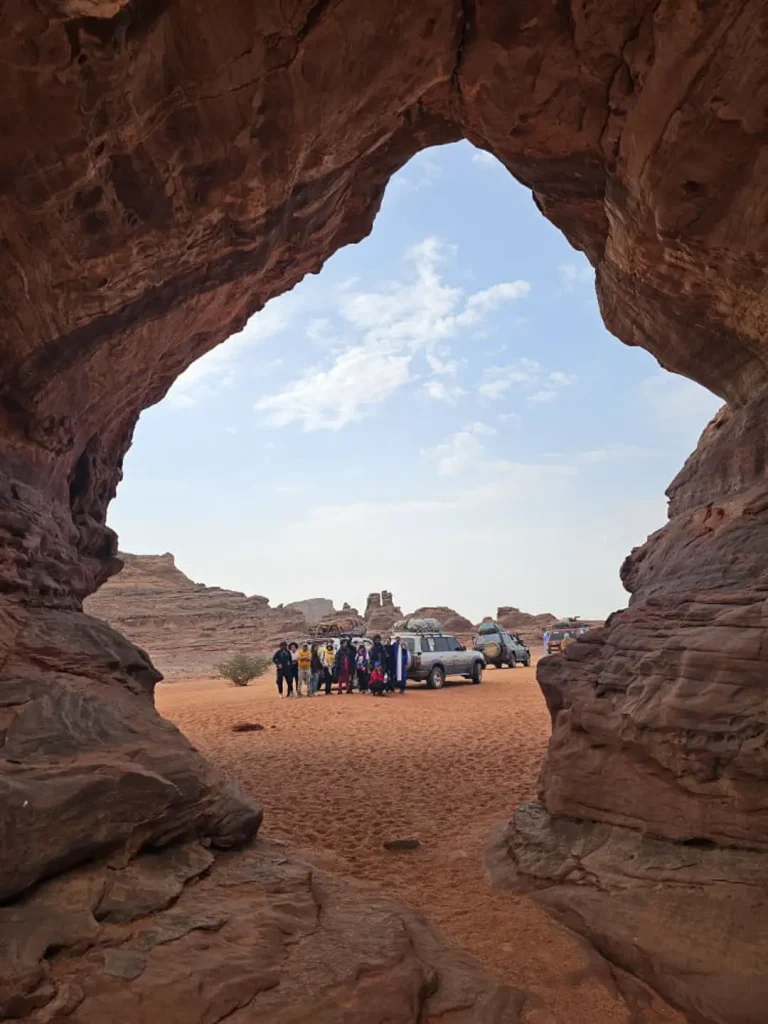
El Berdj is one of the most breathtaking landmarks of the Tadrart Rouge, famous for its natural rock arch that rises out of the sand like a gateway between worlds. Sculpted over millennia by wind and erosion, this arch has become a symbol of the region, a silent guardian that watches over travelers and whispers of the desert’s timeless beauty.
As you approach El Berdj, the landscape transforms into a surreal gallery of colors and shapes. The red and ochre cliffs, the smooth curves of the dunes, and the pale blues of the distant sky come together in a composition that feels almost unreal. This contrast of soft sand and hard stone makes El Berdj a favorite spot for photographers, painters, and dreamers alike.
While the arch itself draws the eye, the surrounding area holds its own magic. Caves and cliffs are home to prehistoric engravings and paintings, many of which are thousands of years old. Some depict cattle and human figures, while others show ancient hunting scenes and wild animals that once roamed the now-arid land. These artworks are a reminder of life, of stories told in stone, and of a Sahara that was once green and full of movement.
El Berdj is not just a stop on a journey, it’s a moment of awe. As the sun rises or sets behind the arch, casting long shadows and golden light, visitors often find themselves silent, still, and deeply moved by the wonder of nature.
In the heart of the Tadrart Rouge, Moul n’Aga unfolds like a surreal dream, a vast corridor of towering sand dunes, sculpted rocks, and glowing light that changes from hour to hour. It is one of the most visually stunning sections of the tour, where the desert feels alive, constantly shifting and reshaping itself with every gust of wind.
The name Moul n’Aga is often whispered among travelers and desert guides with reverence. It is a place where the silence becomes thick and sacred, where giant sandstone pillars rise from the golden sea of dunes like ancient monuments built by nature itself. These rock formations, shaped over thousands of years, resemble ships, animals, or even mythical beings, each visitor sees something different.
This area is also rich in prehistoric art. Sheltered beneath rock overhangs, you may discover paintings and engravings that date back to times when this land was fertile and green. They show herds of cattle, people in ceremonial dress, and even mysterious figures that may have had spiritual meaning. These artworks add another layer to the landscape, not only is it beautiful, but it holds stories of ancient life and beliefs.
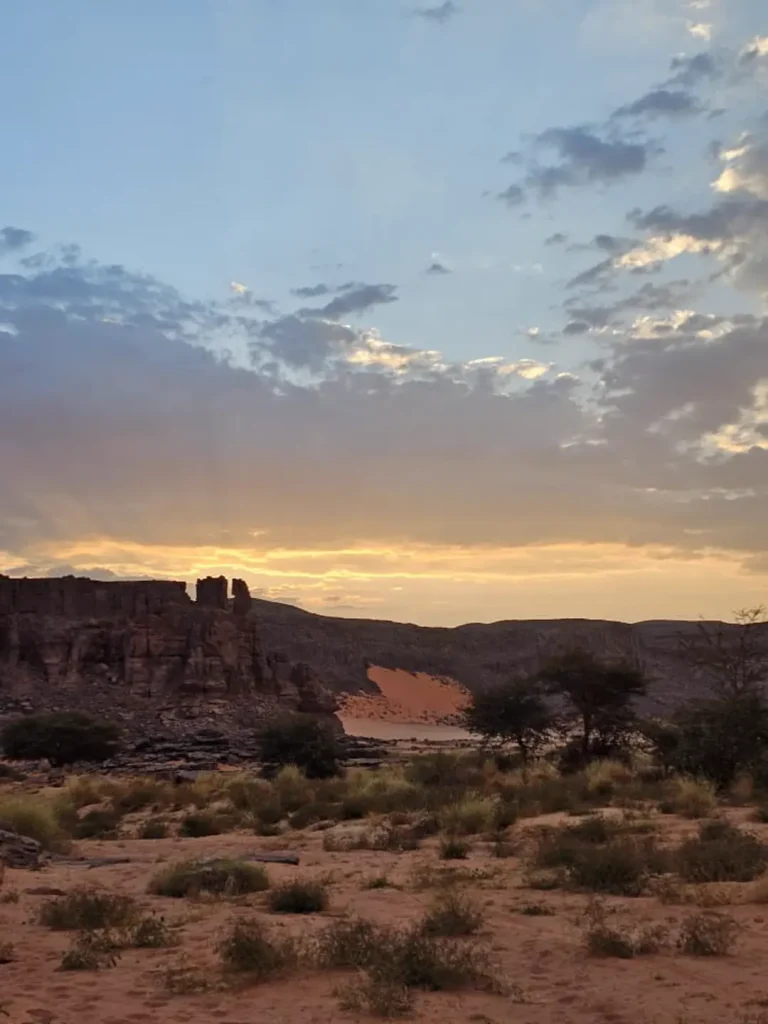
What makes Moul n’Aga truly unforgettable is the light. At sunrise and sunset, the dunes turn deep orange, then purple, then almost black, creating a color show that touches something deep in the heart. For many travelers, this is where the desert’s magic reaches its peak, a place of quiet majesty, perfect beauty, and endless wonder.
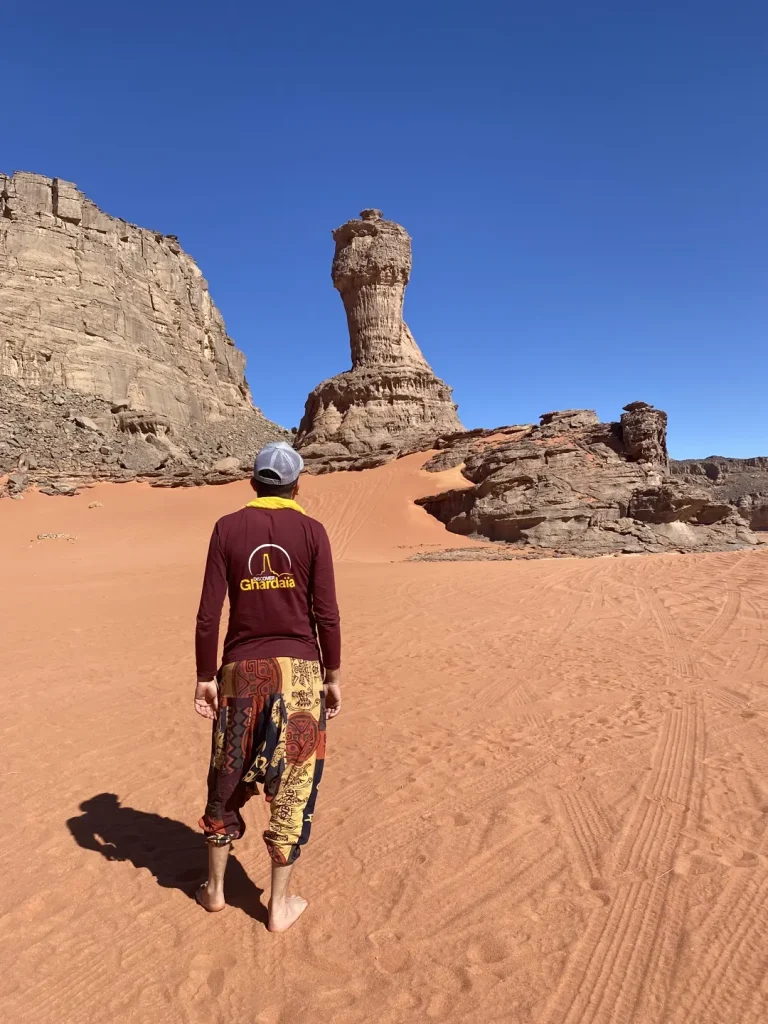
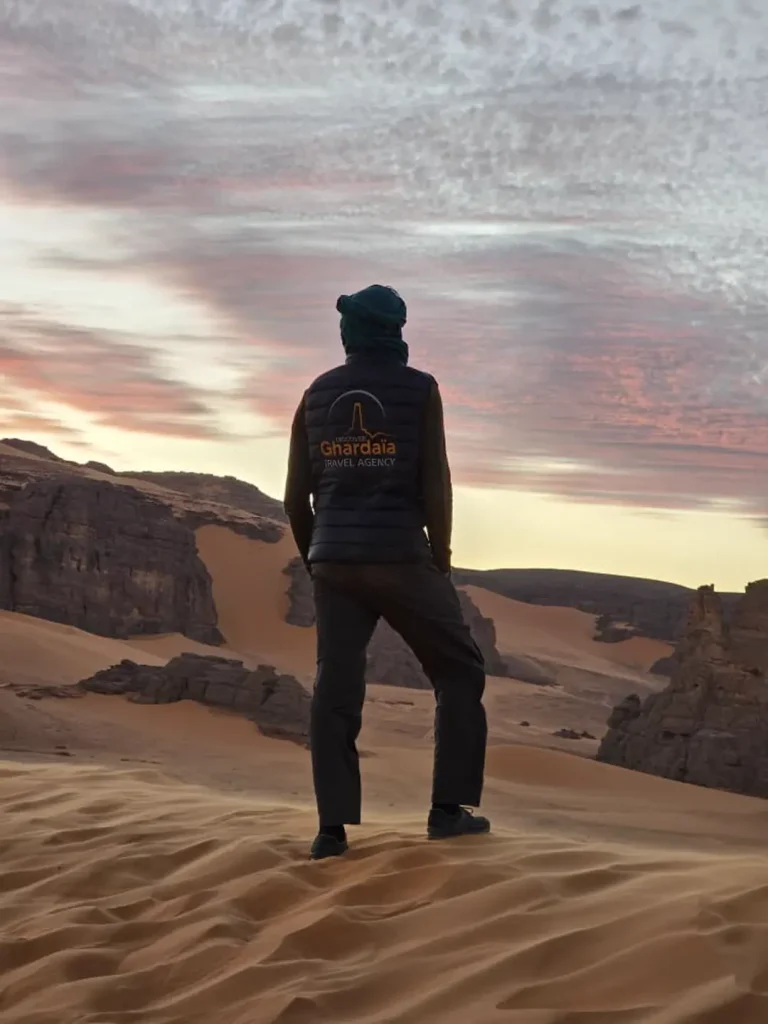
As your journey through Tadrart Rouge continues, you reach Tin Marzouga, one of the most iconic and mesmerizing dune fields in all of Algeria. Known for its fiery red sands, Tin Marzouga is where the Sahara reveals its most dramatic palette , a sea of deep orange and crimson dunes that stretch as far as the eye can see.
Unlike other stops that focus on ancient art or towering rock formations, Tin Marzouga’s power lies in its simplicity and scale. The dunes here are enormous and ever-changing. Some rise like mountains, inviting the adventurous to climb and witness the stunning 360-degree views of the surrounding desert. Others gently roll into valleys, creating waves and curves that seem to dance under the sunlight.
Walking on the soft sands of Tin Marzouga is a sensory experience, the crunch beneath your feet, the warmth of the sun, the breeze that carries grains like whispers. And when the sun begins to set, the dunes take on new life. The colors deepen, shadows grow longer, and the entire landscape glows with an almost surreal intensity. It’s no wonder many travelers say the sunset here is the most beautiful they’ve ever seen.
Tin Marzouga is also a place of stillness. With no noise but the wind and your footsteps, the vast emptiness feels surprisingly full, of presence, of calm, of meaning. Whether you climb, rest, meditate, or simply admire the view, Tin Marzouga gives you space to feel small in the most inspiring way.

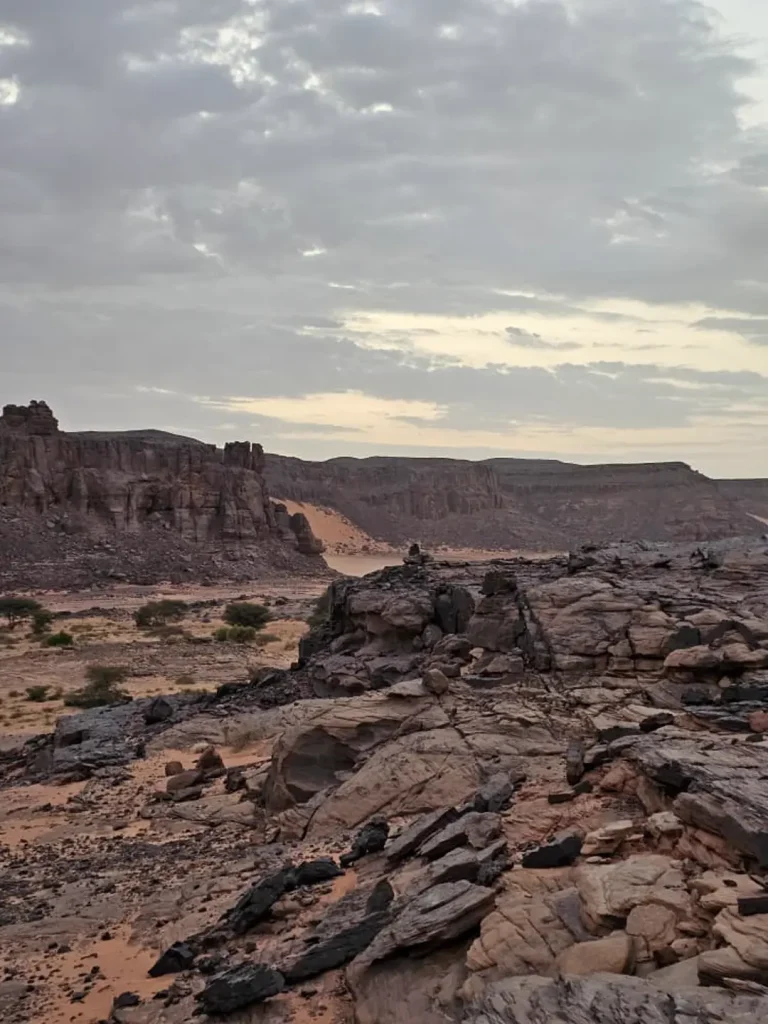
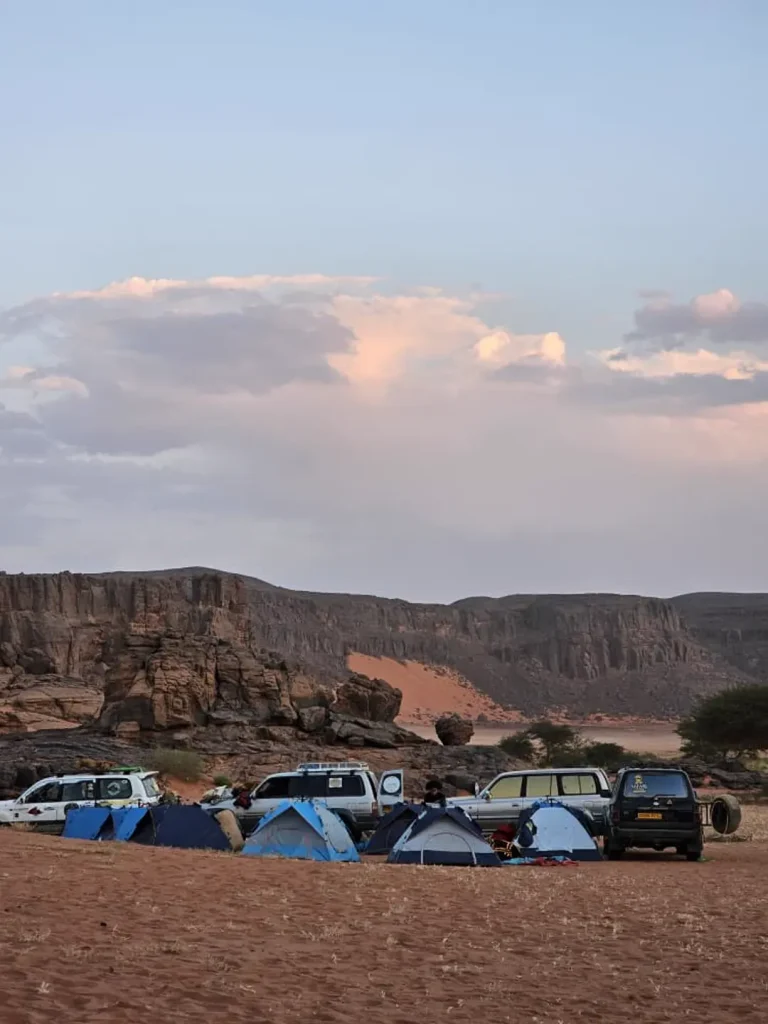
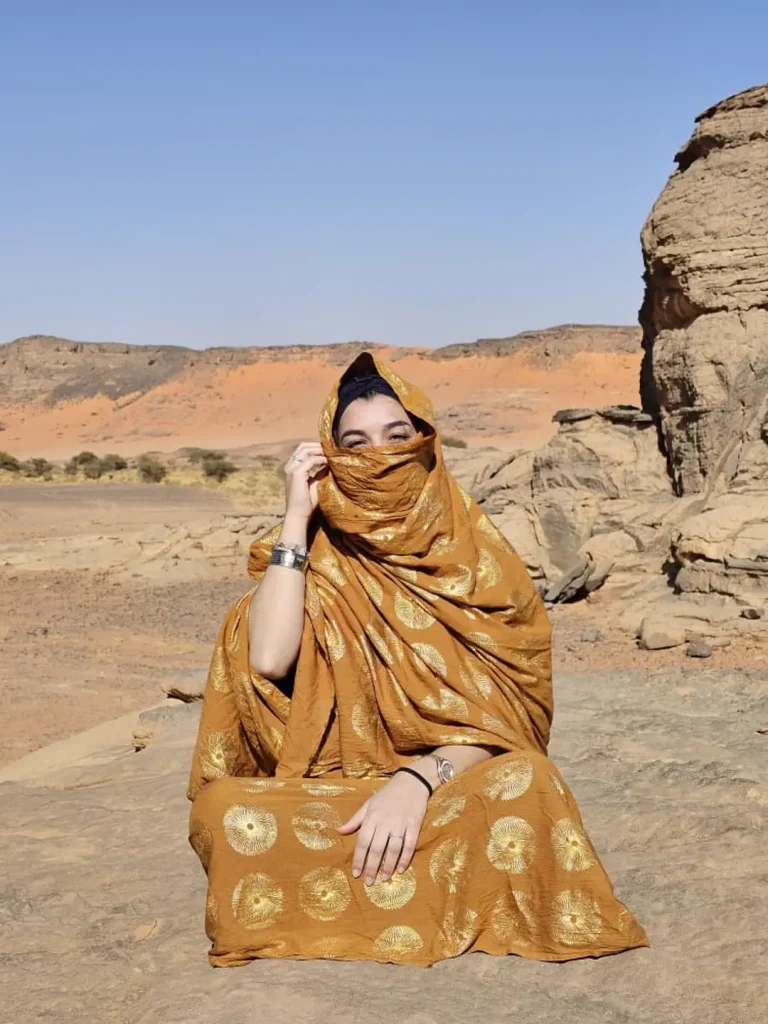


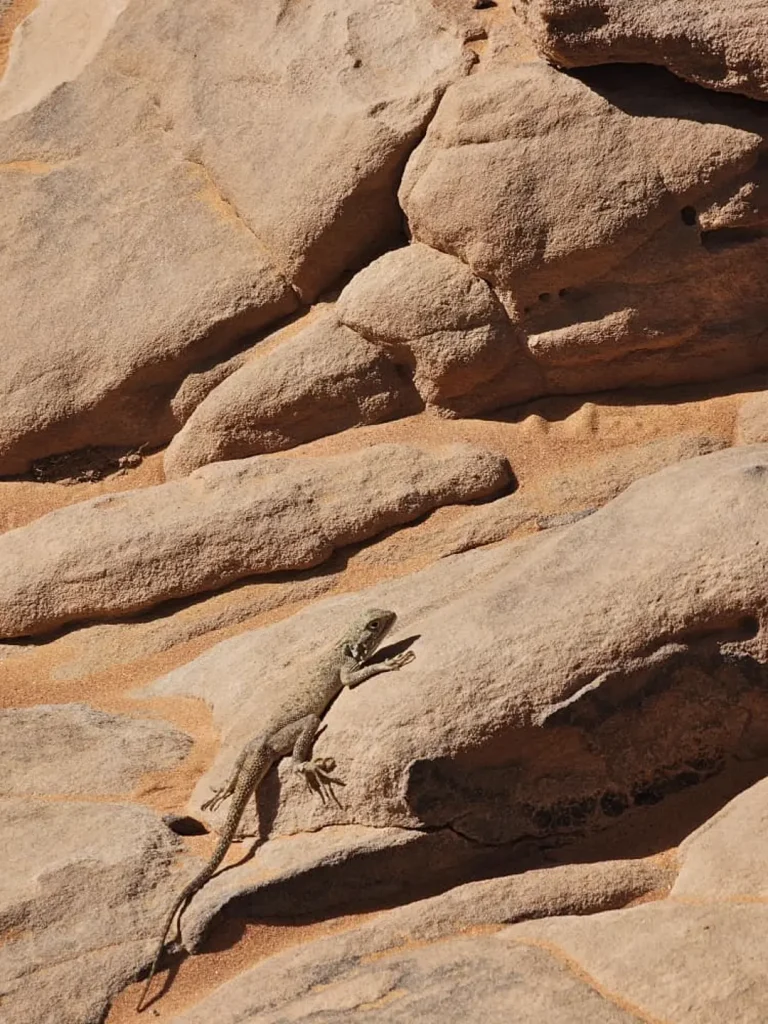
Deep in the wild, quiet reaches of the Tadrart Rouge lies Tissetteka, a hidden sanctuary where geology, art, and silence converge. This final stop on the journey is perhaps the most intimate and mysterious, a place that rewards those who make it this far with scenes of ancient life carved and painted onto stone walls that have stood for thousands of years.
Tissetteka is known for its rich collection of prehistoric rock art, tucked into shelters, overhangs, and narrow canyons. The artwork here is both expressive and detailed, depicting human figures in motion, hunters, cattle, and ceremonial scenes, all echoing the life that once thrived when the Sahara was still green. The quality and storytelling found in these images are a powerful reminder of the spiritual and cultural life of the people who once called this land home.
The landscape itself adds to the magic. The towering walls of weathered sandstone create narrow passageways and open spaces that feel sacred. As the light moves, it reveals hidden textures, glows in golden tones, and throws shadows that seem to dance with the wind. The silence here is different, not empty, but full of the voices of the past.
Tissetteka is a fitting end to the Tadrart Rouge journey. After days of dunes, arches, and breathtaking views, this place brings everything together, nature, art, time, and humanity, in one last quiet moment. It leaves you with more than memories. It leaves you with a sense of wonder.