

In the heart of the M’zab Valley, nestled among its ancient ksour (fortified villages), the celebration of the Prophet Muhammad’s (peace be upon him) birthday, known as Mouloud, takes on a uniquely moving form. It is not just a religious holiday; it is a night that unites generations, preserves heritage, and fills the valley with light, chants, and devotion.
From the youngest child to the eldest elder, everyone in Ghardaïa waits for this night all year long. Every minaret of each Ksar is decorated with lights during that week, as the sun sets of the main day and the Maghreb prayer concludes, the streets of each ksar begin to awaken. Men step outside holding an old oil lamp called a NIR, its flame flickering softly against the desert night. One voice begins a chant in praise of the Prophet, and others respond in harmony, creating a rhythm of call-and-response that echoes through the alleys.
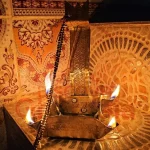
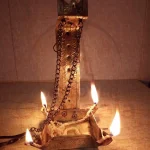
Their journey leads them to a large communal pot placed in every square of the Ksar. Each man pours oil from his lamp into the pot before returning to the streets, chanting again with renewed devotion. This ritual repeats from house to house, as families offer oil, which is then poured into the pot. In ancient times, this oil was used to light the Mosque, now the oil that they gather the sell it in each year in small bottles so that the citizens will do the festival with it, and they use that money to pay for the electricity of the mosque.
By the time the Isha prayer (the last prayer of the day) is called, every one stops and listen to Doaa taken place near every pot in the Ksar, after its finished the atmosphere grows even more intense. The chants that once rang out individually now merge into a single, thunderous voice, filling the ksar with a powerful unity of spirit. Together, the men lift the pots and carry them solemnly to the mosque, where prayers and blessings are offered.
When the rituals of the street conclude after the prayer, families return home to warmth and celebration. Tables are filled with dinners, cakes, and tea, and the night continues with the singing of Madih (Izelwan of M’zab), traditional poetic verses performed without instruments. At midnight, the men gather again in the main mosque at the top of the ksar, singing Madih in praise of the Prophet until the Fajr prayer at dawn. Meanwhile, the women of each family come together in the grandmother’s house, sharing stories, laughter, and the joy of togetherness.
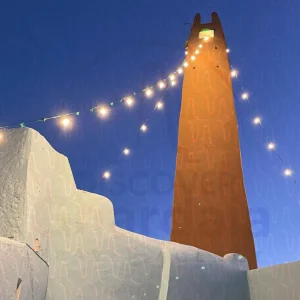
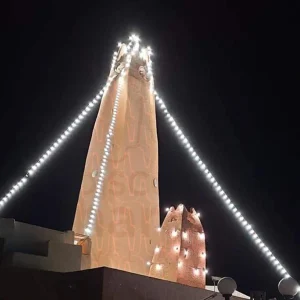
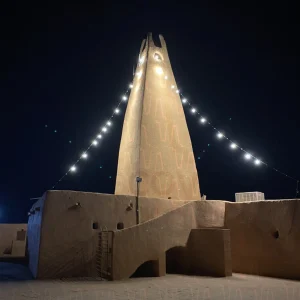
The night of Mouloud in Ghardaïa is more than a festival. It is a reminder of faith, a preservation of tradition, and a renewal of bonds that tie the community together. Through the flickering of oil lamps, the rhythm of chants, and the echo of poetry carried into the desert sky, the people of the M’zab Valley keep alive a celebration that has endured through centuries, a night where light, devotion, and family shine brightest.
It’s the only time of the year the gates of the Ksar closes between the last two prayers of day because it’s just for the citizens of the Ksar and no one else is allowed to enter in that time to the Ksar.